
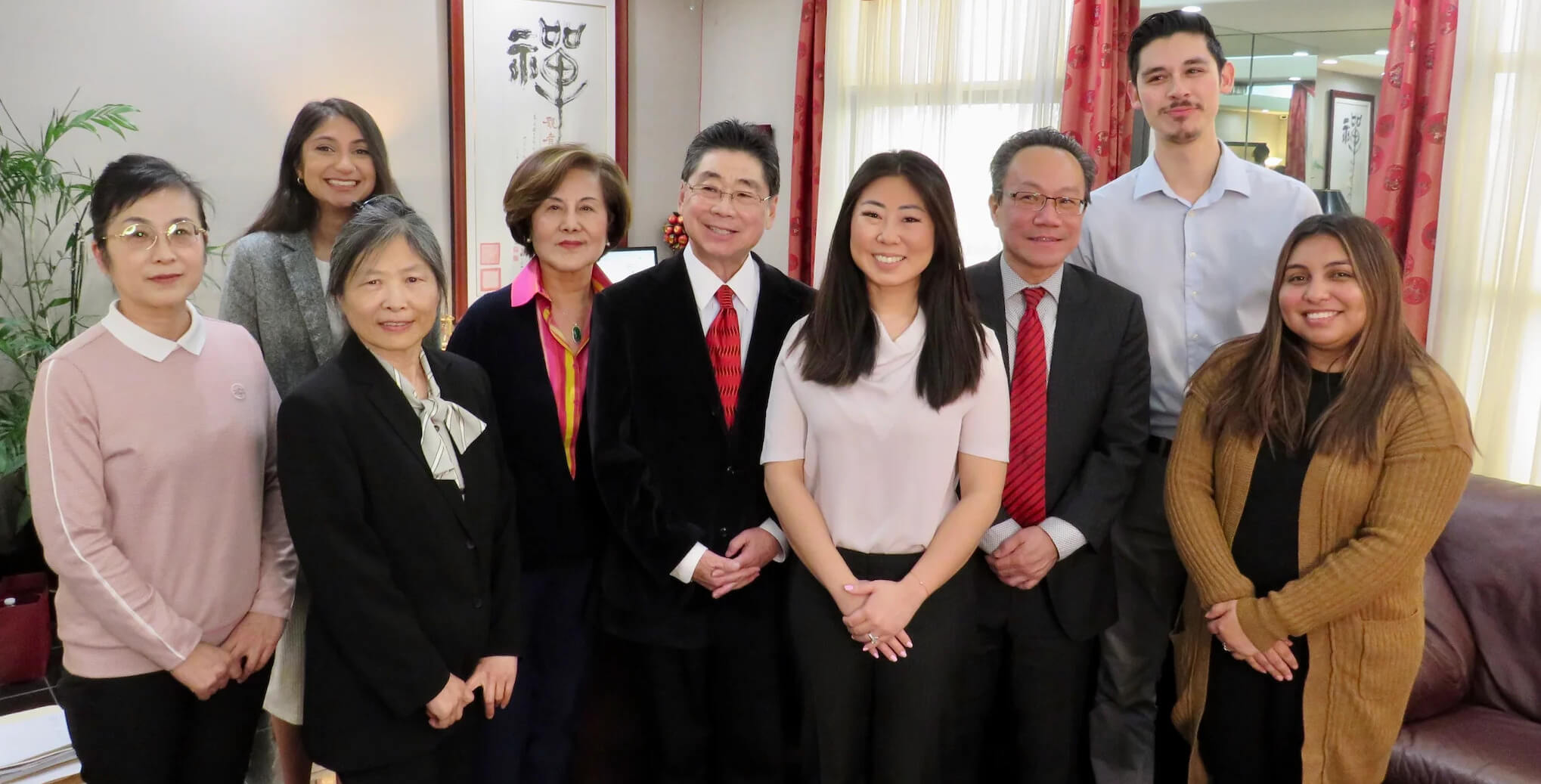
Why Choose Us?
-

Unmatched Expertise
Trust in Peter Chu's 75+ years of collective experience to guide you through complex immigration matters.
-

Tailored Solutions
Our personalized strategies adapt to your unique circumstances, ensuring we meet your specific immigration needs.
-

Proven Success
Benefit from our solid track record in achieving favorable outcomes in various immigration cases across San Diego.
-

Dedicated Service
Experience our client-first approach that ensures constant support and guidance throughout your immigration journey.


Get clear, expert legal guidance tailored to your visa, green card, or citizenship needs.

Inquire now to check if you qualify
How Stockton EB-1C Representation Compares to Other Immigration Paths
Multinational managers and executives face a choice: proceed with an EB-1C immigrant petition, remain on L-1A temporary status, or pursue EB-2 or EB-3 employment-based green cards requiring PERM labor certification. Here's the honest answer: the EB-1C is the only employment-based category that bypasses the Department of Labor PERM process entirely — saving 8–14 months of processing time and eliminating the recruitment and prevailing wage requirements that burden EB-2/EB-3 cases. For Stockton employers, this means faster permanent residency for key executives without the compliance risk of a failed PERM audit. L-1A status provides temporary work authorization but does not lead directly to a green card and is limited to a maximum of 7 years. Filing EB-1C while on L-1A status is the standard path for multinational transferees.
| Path | Processing Time | Labor Cert Required | Cost | Professional Assessment |
|---|---|---|---|---|
| EB-1C Immigrant Petition | 6–12 months (4–6 with premium) | No — direct filing | $3,000–$6,000 attorney + $700 filing + $2,805 premium (optional) | Fastest route to green card for qualifying managers — no PERM delay, no recruitment ads, no prevailing wage determination |
| L-1A Nonimmigrant Visa | 2–4 months (15 days premium) | No | $2,000–$4,000 attorney + $460 filing + $2,805 premium | Temporary work authorization only — does not confer immigrant status, limited to 7-year maximum, requires EB-1C filing for green card |
| EB-2/EB-3 with PERM | 18–30 months total | Yes — DOL certification 8–14 months | $8,000–$15,000 total (PERM + I-140 + I-485) | Longer timeline, employer must prove no qualified U.S. workers, audit risk — unnecessary for multinational managers who qualify for EB-1C |
| DIY Petition Filing | Variable — high RFE rate | Depends on category | Filing fees only | 62% RFE rate for pro se EB-1 filings per USCIS data — lack of legal brief and evidentiary strategy leads to denials or repeated RFEs |
Frequently Asked Questions
Find answers to common questions about our services
-
Standard I-140 processing averages 6–12 months through USCIS California Service Center. Premium processing reduces this to 15 calendar days for an additional $2,805 fee. After I-140 approval, adjustment of status (I-485) for executives already in the U.S.
-
Attorney fees for EB-1C representation range from $3,000 to $6,000 depending on case complexity, whether the U.S. entity is a new office, and whether RFE response or consular interview preparation is required. Government filing fees include $700 for Form
-
Yes. Your spouse and unmarried children under 21 qualify as derivative beneficiaries and may apply for green cards simultaneously with your EB-1C petition. Dependents receive the same priority date and do not require separate labor certification or employ
-
Managerial capacity under INA 101(a)(44)(A) requires that you primarily manage the organization, a department, subdivision, or function — and that you supervise professional employees or manage an essential function of the organization. USCIS distinguishe
-
USCIS requires that you intend to work in a managerial or executive capacity for the petitioning employer at the time of green card approval — but there is no legal requirement to remain employed by that employer indefinitely after approval. However, leav
-
Yes, if the U.S. entity is part of a qualifying multinational enterprise. USCIS does not impose a minimum size requirement on the U.S. employer — the critical factors are that the foreign and U.S. entities maintain a qualifying corporate relationship (par
-
Technically yes, but it is not advisable. Filing an immigrant petition while in the U.S. on B-1/B-2 tourist status can create a presumption of immigrant intent that conflicts with the temporary nature of your nonimmigrant visa — potentially resulting in f
-
You may file a motion to reopen or reconsider with USCIS, appeal the decision to the USCIS Administrative Appeals Office (AAO), or refile the petition with additional evidence addressing the denial reason. Denials typically result from insufficient proof
Need Personalized Immigration Guidance?

