
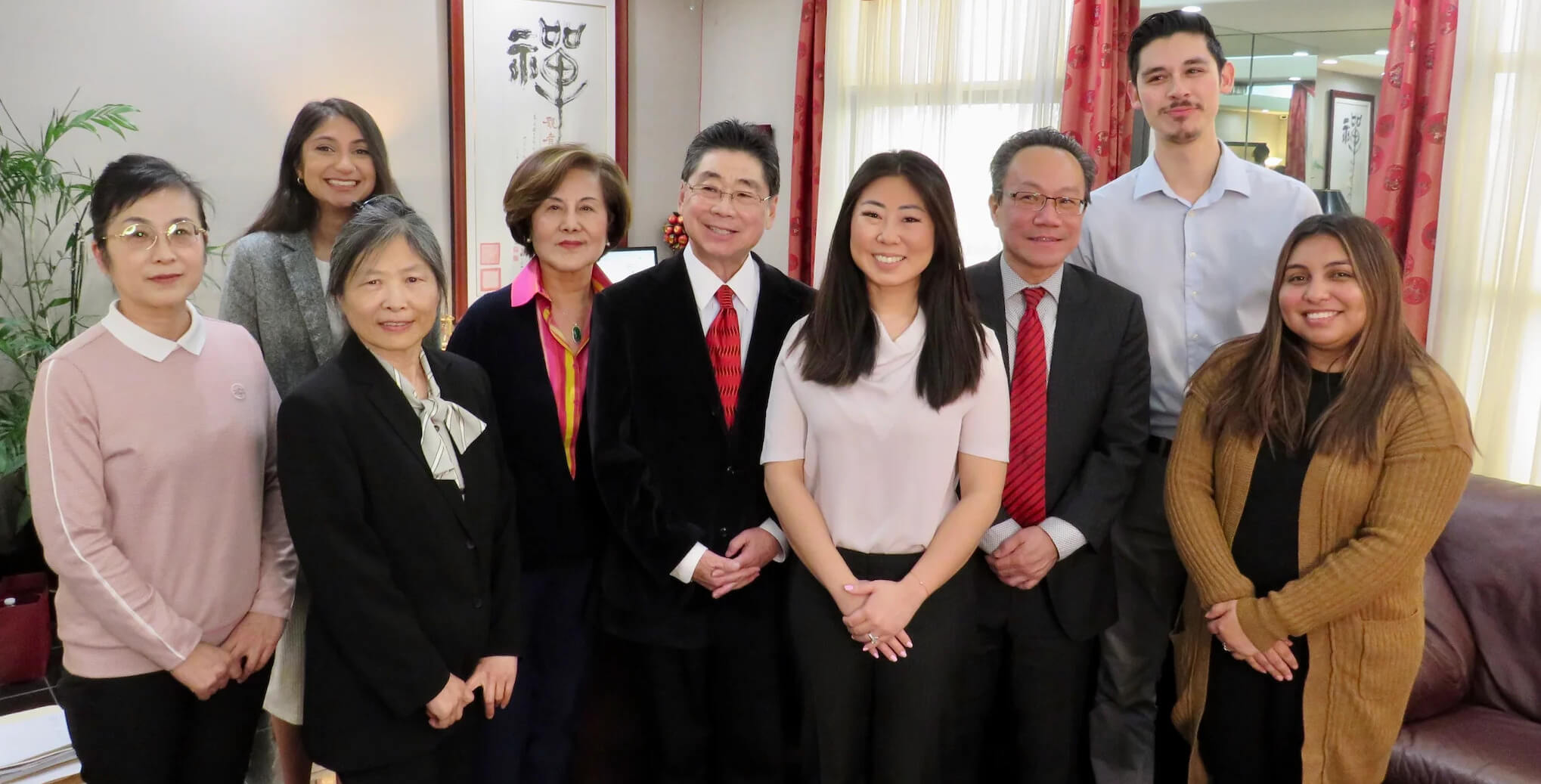
Why Choose Us?
-

Unmatched Expertise
Trust in Peter Chu's 75+ years of collective experience to guide you through complex immigration matters.
-

Tailored Solutions
Our personalized strategies adapt to your unique circumstances, ensuring we meet your specific immigration needs.
-

Proven Success
Benefit from our solid track record in achieving favorable outcomes in various immigration cases across San Diego.
-

Dedicated Service
Experience our client-first approach that ensures constant support and guidance throughout your immigration journey.


Get clear, expert legal guidance tailored to your visa, green card, or citizenship needs.

Inquire now to check if you qualify
Choosing EB-1C Representation in Walnut Creek
Walnut Creek multinational managers considering EB-1C petitions typically evaluate three representation options: general business immigration firms handling all visa categories, solo practitioners focusing exclusively on family-based immigration, or specialized employment-based practices limiting their caseload to EB and professional visa classifications. Here's the honest answer: EB-1C petitions require regulatory fluency with USCIS Adjudicator's Field Manual Chapter 22.2, familiarity with Administrative Appeals Office precedent decisions interpreting managerial capacity, and experience structuring evidence to survive the heightened scrutiny USCIS applies to petitions conferring permanent residence. Firms that treat EB-1C as an occasional add-on to H-1B practice often lack the depth to anticipate RFE triggers or challenge erroneous denials through appeals.
| Factor | General Business Immigration Firm | Family-Based Solo Practitioner | Specialized EB Practice | Professional Assessment |
|---|---|---|---|---|
| EB-1C regulatory fluency | Moderate — handles multiple visa types | Low — limited employment visa exposure | High — exclusive EB focus | EB-1C demands regulatory precision general firms rarely develop |
| RFE response experience | Variable across categories | Minimal in EB classifications | Extensive EB-specific | RFE patterns differ significantly between family and employment categories |
| Managerial capacity evidence | Standard templates | Limited framework | Customized regulatory structure | Generic job descriptions routinely fail EB-1C adjudication standards |
| Corporate relationship documentation | Basic org charts | Often outsourced | Comprehensive audit practice | Complex ownership structures require legal memoranda, not just documents |
Frequently Asked Questions
Find answers to common questions about our services
-
Standard EB-1C Form I-140 processing at USCIS California Service Center currently averages 4.5 to 8 months from filing to decision. Premium processing — available for an additional $2,805 filing fee — guarantees a response within 15 calendar days, though
-
L-1A is a temporary non-immigrant work visa permitting up to seven years in the United States for executives and managers, while EB-1C is an immigrant petition leading to permanent residence with no time limit. Both require managerial or executive capacit
-
Yes, your spouse and unmarried children under 21 years old are eligible for derivative EB-1 status and may be included in your Form I-485 adjustment application if they are in the United States, or apply for immigrant visas at a U.S. consulate if abroad.
-
EB-1C petitions are employer-specific — the approval is tied to the specific petitioning U.S. company and the specific position described in the Form I-140. If employment is terminated before your adjustment of status is approved, the pending I-485 applic
-
No, there is no English language testing requirement for EB-1C petitions or adjustment of status applications. Unlike some family-based immigrant categories, employment-based green card applicants are not required to demonstrate English proficiency as a c
-
USCIS Form I-140 filing fee is $715 as of 2026. Premium processing, if elected, adds $2,805. If you file a concurrent Form I-485 adjustment of status, expect an additional $1,440 filing fee per applicant, $85 biometrics fee per applicant over 14 years old
-
Yes, company size alone does not disqualify an EB-1C petition, but small organizations face heightened scrutiny regarding whether the organizational structure genuinely supports an executive or managerial position. USCIS examines whether the beneficiary w
-
USCIS requires corporate documents establishing that the U.S. and foreign entities share a qualifying relationship as parent, subsidiary, affiliate, or branch. Acceptable evidence includes stock certificates, shareholder agreements, articles of incorporat
Need Personalized Immigration Guidance?

