
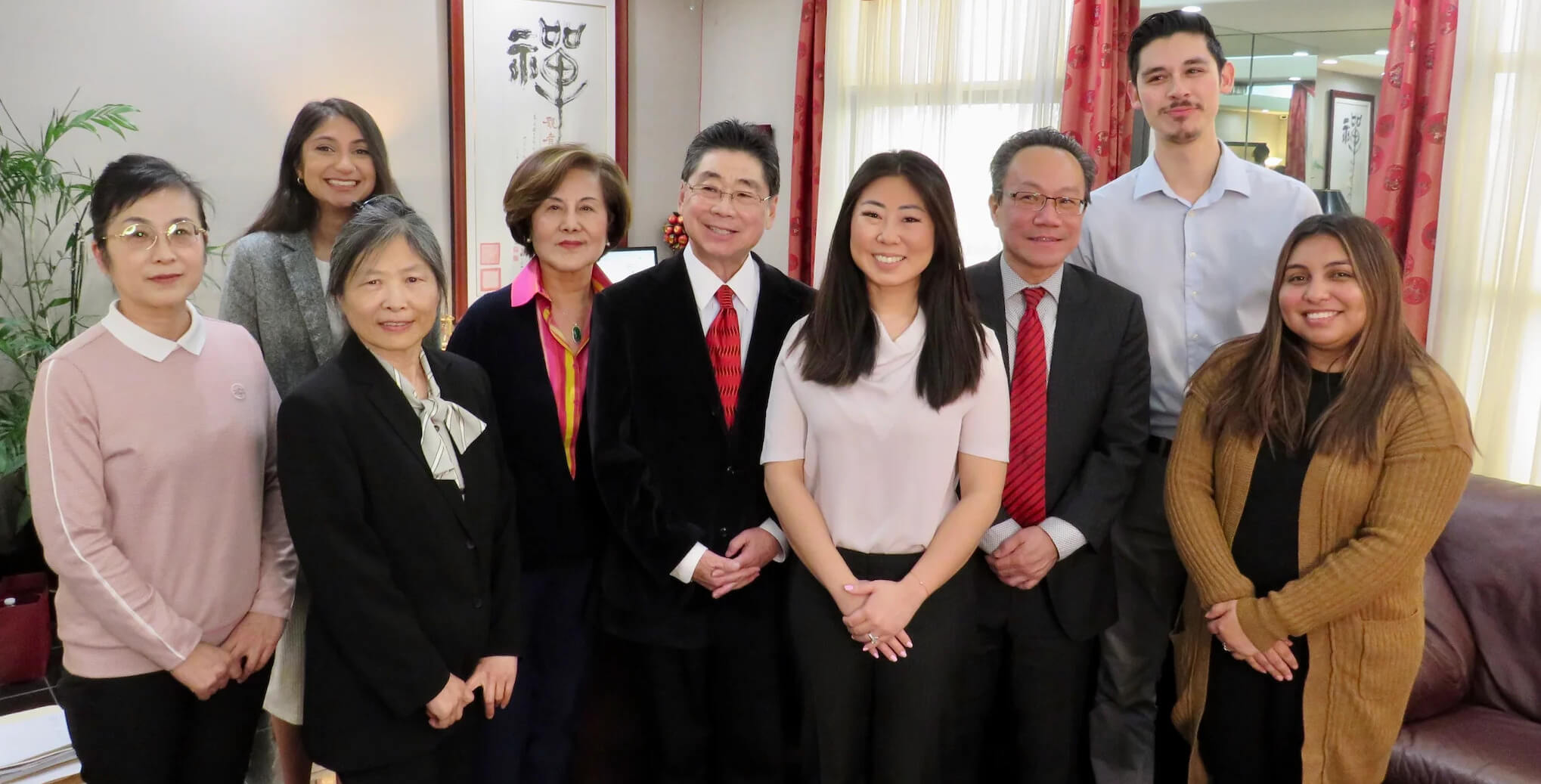
Why Choose Us?
-

Unmatched Expertise
Trust in Peter Chu's 75+ years of collective experience to guide you through complex immigration matters.
-

Tailored Solutions
Our personalized strategies adapt to your unique circumstances, ensuring we meet your specific immigration needs.
-

Proven Success
Benefit from our solid track record in achieving favorable outcomes in various immigration cases across San Diego.
-

Dedicated Service
Experience our client-first approach that ensures constant support and guidance throughout your immigration journey.


Get clear, expert legal guidance tailored to your visa, green card, or citizenship needs.

Inquire now to check if you qualify
Why Concord Multinational Managers Choose Specialized EB-1C Counsel Over General Immigration Services
Concord residents evaluating EB-1C representation face a choice: work with a general immigration practitioner handling all visa types, or engage counsel focused specifically on employment-based immigrant petitions. Here's the honest answer: EB-1C petitions fail not because the beneficiary lacks qualifying experience, but because the petition fails to document managerial authority in the evidentiary format USCIS adjudicators require. General practitioners often underestimate the distinction between L-1A and EB-1C managerial standards — the permanent residence threshold is higher. We limit our practice to employment-based immigration, meaning every EB-1C petition benefits from attorneys who understand how Vermont Service Center adjudicators distinguish qualifying managerial roles from non-qualifying operational positions.
| Approach | General Immigration Firm | EB-1C Focused Counsel | Professional Assessment |
|---|---|---|---|
| Managerial Standard | Often reuses L-1A evidence without addressing higher EB-1C threshold | Distinguishes L-1A operational tolerance from stricter EB-1C managerial requirement | Critical difference — RFE rates decline when counsel understands the heightened standard |
| Organizational Charts | Generic reporting structure diagrams | Detailed charts showing supervisory authority, decision-making discretion, and function management | USCIS specifically requests this — omitting it invites RFEs |
| Qualifying Relationship Documentation | Basic ownership statements | Financial records, tax documents, and corporate filings proving affiliate/subsidiary relationship under 8 CFR 204.5(j)(3)(i) | Inadequate relationship proof is the #1 RFE trigger |
| Consultation Depth | Brief screening call | Substantive case assessment including role analysis, timeline strategy, and RFE risk evaluation | Difference between a sales call and legal counsel |
Frequently Asked Questions
Find answers to common questions about our services
-
Vermont Service Center processing times for EB-1C petitions fluctuate between 6 and 18 months depending on caseload volume, though premium processing (Form I-907) guarantees a 15-business-day adjudication for an additional $2,500 fee. Concord applicants b
-
USCIS requires evidence that the U.S. and foreign entities are related as affiliates, subsidiaries, or branches as defined under 8 CFR 204.5(j)(3)(i). Acceptable documentation includes: corporate articles showing ownership structure, stock certificates pr
-
Yes, self-petitioning through a company you own is permissible under EB-1C regulations, but USCIS scrutinizes these cases more closely. You must demonstrate that a bona fide employer-employee relationship exists — meaning the company has the right to cont
-
Both require managerial or executive roles, but EB-1C applies a stricter standard. L-1A temporary visas permit some operational tolerance — a manager with limited staff performing a mix of managerial and operational duties may qualify. EB-1C permanent res
-
No, EB-1C petitions are exempt from the labor certification process required for EB-2 and EB-3 employment-based visas. This exemption significantly accelerates processing — you avoid the 6–12 month PERM process involving recruitment, prevailing wage deter
-
Yes, you can refile an EB-1C petition after denial, but you must address the reasons stated in the denial notice before submitting a new petition. Common denial grounds include failure to establish the qualifying relationship between entities, insufficien
-
Yes, your spouse and unmarried children under 21 qualify as derivative beneficiaries on your EB-1C petition, receiving the same priority date and permanent residence status. They file Form I-485 (Adjustment of Status) concurrently with yours if already in
-
EB-1C attorney fees typically range from $8,000 to $15,000 depending on case complexity, whether the petition requires extensive documentation of organizational structure, and whether you are filing from within the U.S. or abroad. This fee covers petition
Need Personalized Immigration Guidance?

