
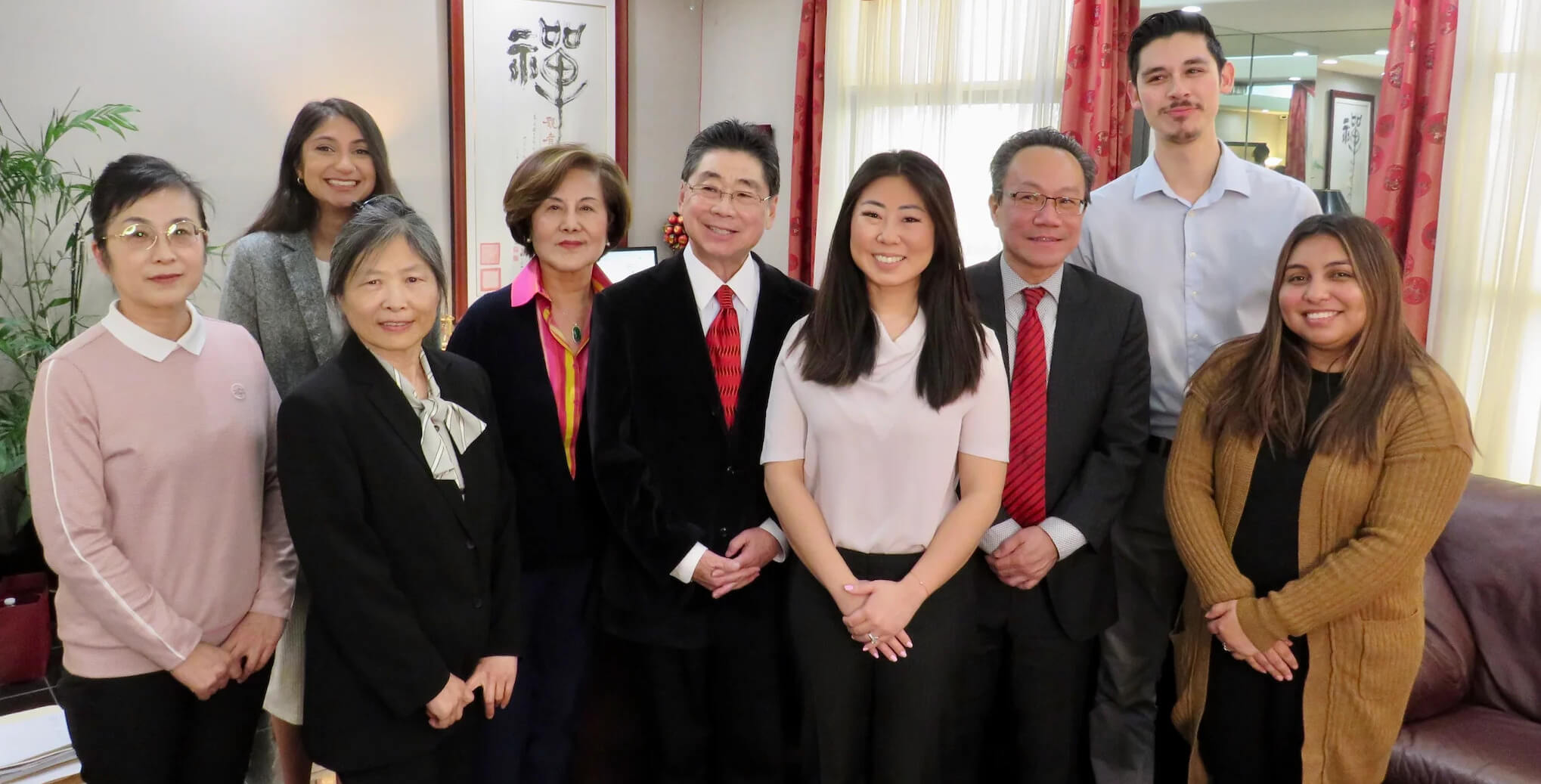
Why Choose Us?
-

Unmatched Expertise
Trust in Peter Chu's 75+ years of collective experience to guide you through complex immigration matters.
-

Tailored Solutions
Our personalized strategies adapt to your unique circumstances, ensuring we meet your specific immigration needs.
-

Proven Success
Benefit from our solid track record in achieving favorable outcomes in various immigration cases across San Diego.
-

Dedicated Service
Experience our client-first approach that ensures constant support and guidance throughout your immigration journey.


Get clear, expert legal guidance tailored to your visa, green card, or citizenship needs.

Inquire now to check if you qualify
Choosing Law Office of Peter Darwin Chu vs. Other EB-1C Options in Culver City
Culver City businesses filing EB-1C petitions face three primary options: retain an immigration attorney specializing in employment-based visas, use a general business attorney who handles occasional immigration matters, or attempt a pro se (self-filed) I-140 petition using USCIS forms and instructions. Each path carries distinct risk and cost profiles.
Here's the honest answer: EB-1C petitions are among the most scrutinized employment-based visa categories—USCIS routinely issues RFEs questioning whether the beneficiary's duties are truly managerial, whether the U.S. position has sufficient staff to support a managerial role, and whether the qualifying relationship documentation is complete. General business attorneys who handle immigration matters as a secondary practice lack the case law knowledge and RFE response experience to anticipate adjudicator objections. Pro se filings succeed primarily in straightforward cases involving large multinational corporations with established HR teams; for mid-size and smaller companies transferring managers, missing a single evidentiary element—such as an incomplete organizational chart or vague job description—routinely results in denial.
| Option | Managerial Capacity Evidence | Qualifying Relationship Audit | RFE Response Experience | Professional Assessment |
|---|---|---|---|---|
| Immigration Attorney (EB-1C Focus) | Detailed job duty breakdowns, supervisory charts, decision-making evidence compiled before filing | Corporate structure analysis, ownership documentation, subsidiary agreements reviewed | Experience with USCIS EB-1C RFE patterns, legal briefs citing precedent case law | Best for complex transfers, new offices, and cases with potential scrutiny—upfront cost prevents denial |
| General Business Attorney | Job description templates, may miss managerial vs. operational distinction | Basic corporate records review, may overlook qualifying relationship documentation gaps | Limited EB-1C-specific RFE experience | Suitable only if attorney has regular EB-1C practice—otherwise high denial risk |
| Pro Se (Self-Filed) | Relies on USCIS instructions, often incomplete duty descriptions | Self-assembled documents, no professional qualifying relationship audit | No legal counsel for RFE response, must interpret USCIS deficiency notices alone | High-risk for all but the most straightforward cases—denial often requires refiling with attorney |
Frequently Asked Questions
Find answers to common questions about our services
-
USCIS processing times for EB-1C I-140 petitions vary by service center—currently averaging 4.5–8 months for regular processing at the California Service Center. Premium processing (Form I-907) guarantees a 15-business-day adjudication for an additional $
-
Both EB-1C and L-1A visa categories are designed for multinational managers and executives, but L-1A is a temporary nonimmigrant visa (initially granted for up to three years, extendable to seven years total), while EB-1C leads to lawful permanent residen
-
Yes, there is no minimum employee count for EB-1C eligibility—USCIS evaluates whether the U.S. position is managerial or executive based on the nature of the duties, not the size of the company. However, smaller companies face heightened scrutiny: USCIS w
-
Attorney fees for EB-1C representation in Culver City typically range from $5,000–$10,000 depending on case complexity, whether the petition is a 'new office' case, and whether RFE response or appeal work is anticipated. This fee covers I-140 petition pre
-
USCIS defines 'managerial capacity' under 8 CFR § 204.5(j)(2) as a position that primarily involves managing the organization, a department, or a function—and exercising discretionary authority over day-to-day operations. A qualifying manager must supervi
-
Yes, USCIS does not require the beneficiary to be physically present in the United States when the EB-1C I-140 petition is filed—the petition establishes eligibility for permanent residence based on past foreign employment and the U.S. job offer. Once the
-
If the corporate structure between the U.S. and foreign entities changes during petition processing—such as a merger, acquisition, or dissolution of the foreign office—USCIS requires the petitioner to notify them and may issue an RFE requesting updated do
-
Yes, the spouse and unmarried children under 21 of an EB-1C beneficiary are eligible for derivative E-14 and E-15 immigrant visas, allowing them to accompany or follow to join the principal beneficiary. Derivative family members receive the same priority
Need Personalized Immigration Guidance?

