
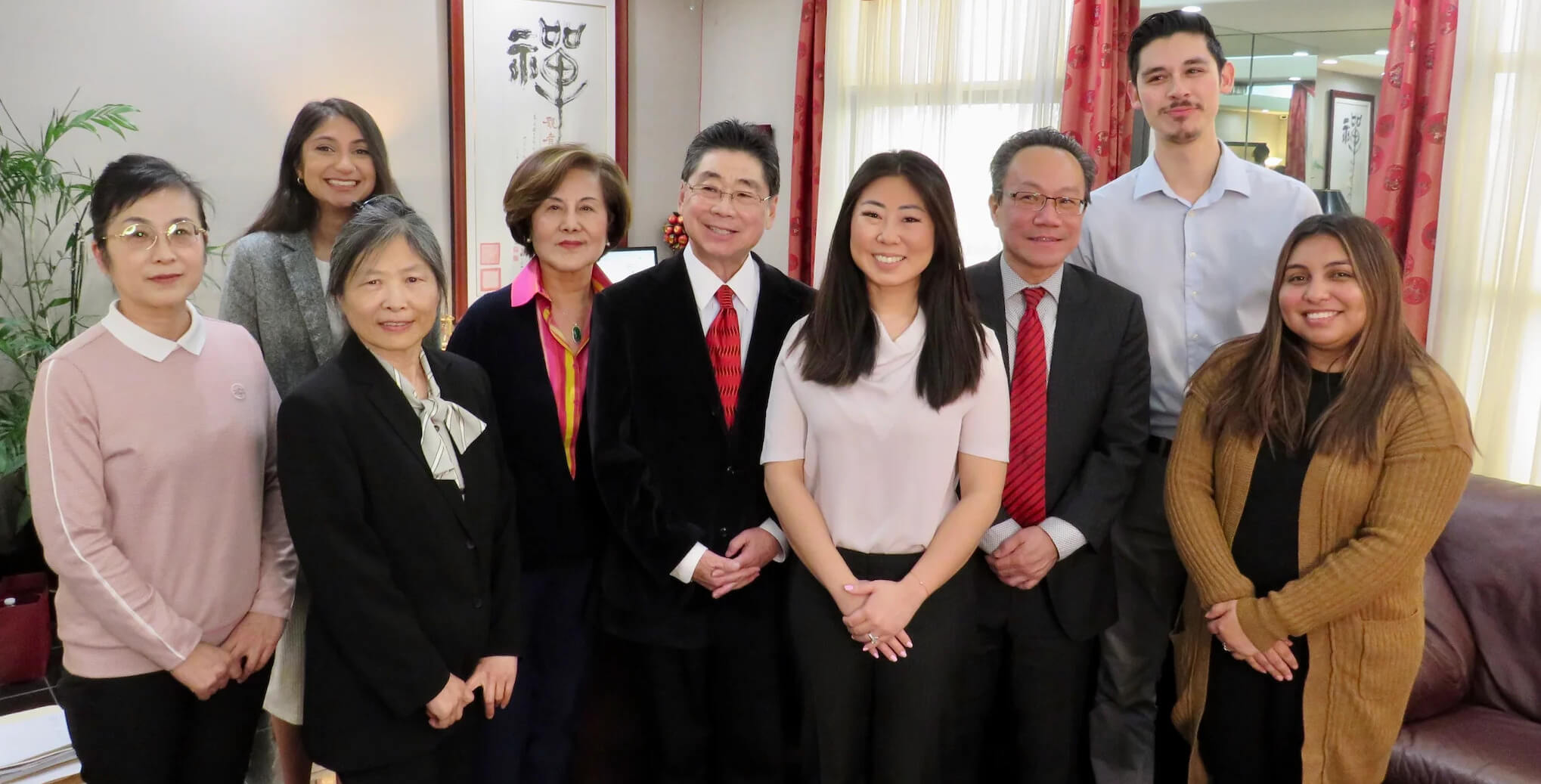
Why Choose Us?
-

Unmatched Expertise
Trust in Peter Chu's 75+ years of collective experience to guide you through complex immigration matters.
-

Tailored Solutions
Our personalized strategies adapt to your unique circumstances, ensuring we meet your specific immigration needs.
-

Proven Success
Benefit from our solid track record in achieving favorable outcomes in various immigration cases across San Diego.
-

Dedicated Service
Experience our client-first approach that ensures constant support and guidance throughout your immigration journey.


Get clear, expert legal guidance tailored to your visa, green card, or citizenship needs.

Inquire now to check if you qualify
Choosing the Right EB-1C Immigration Lawyer Dana Point Representation
Dana Point multinational managers face three options when preparing an EB-1C petition: in-house human resources filing, general immigration attorneys, or specialized EB-1C counsel. In-house HR teams often lack familiarity with USCIS adjudication standards and file petitions with organizational charts that fail to demonstrate true managerial capacity under Matter of M-. General immigration attorneys handle multiple visa categories but may not recognize the strategic differences between L-1A and EB-1C evidentiary requirements. Law office of Peter Darwin Chu focuses exclusively on employment-based immigration and has handled EB-1C petitions for Dana Point companies across technology, manufacturing, and professional services sectors.
Here's the honest answer: not every executive qualifies for EB-1C, and filing a premature petition with insufficient evidence of organizational capacity wastes the $700 USCIS filing fee and creates a denial record that must be addressed in future filings. A substantive eligibility consultation — reviewing corporate structure, duty statements, and staffing levels before drafting the petition — is the only way to assess whether your role meets the regulatory definition of 'managerial' or 'executive' under 8 CFR 204.5(j)(2).
| Filing Approach | Organizational Review | Duty Statement Precision | RFE Response Strategy | Professional Assessment |
|---|---|---|---|---|
| In-House HR | Generic templates | Often first-line supervisor language | Limited legal recourse | High denial risk — lacks USCIS case law familiarity |
| General Immigration Attorney | Basic eligibility check | May not distinguish L-1A/EB-1C standards | Standard RFE templates | Misses strategic L-1A to EB-1C timing issues |
| EB-1C Specialized Counsel | Detailed compliance audit | Tailored to 8 CFR 204.5(j)(2) | Evidence-driven, case law supported | Law office of Peter Darwin Chu — handles Dana Point multinational petitions with precision |
Frequently Asked Questions
Find answers to common questions about our services
-
Current USCIS processing times for Form I-140 EB-1C petitions average 6–9 months at the California Service Center, though premium processing (Form I-907) guarantees a 15-business-day adjudication for an additional $2,500 fee. After I-140 approval, benefic
-
L-1A is a temporary nonimmigrant visa allowing multinational managers and executives to work in the U.S. for up to seven years; EB-1C is a permanent residence (green card) classification for the same population. Both require a qualifying relationship betw
-
Yes, but ownership complicates the petition. USCIS requires proof that someone other than the beneficiary has the authority to hire, fire, and supervise the beneficiary — even if the beneficiary owns 100% of the company. For single-owner companies, this t
-
EB-1C petitions require Form I-140 with supporting evidence in five categories: qualifying relationship documentation (articles of incorporation, stock certificates, or ownership agreements proving parent-subsidiary or affiliate relationship), foreign emp
-
No. EB-1C petitions are exempt from the PERM labor certification process required for EB-2 and EB-3 classifications. This exemption significantly reduces processing time and eliminates the need to prove that no qualified U.S. workers are available for the
-
USCIS does not publish approval rates by classification, but industry estimates suggest EB-1C approval rates range from 60–75% depending on petition quality and adjudicating service center. The most common denial reasons are failure to establish manageria
-
Yes. EB-1C beneficiaries' spouses and unmarried children under 21 qualify as derivative beneficiaries on the same I-140 petition and receive permanent residence simultaneously. Spouses receive unrestricted work authorization upon green card approval, and
-
Yes, but only after addressing the denial reasons. USCIS denial notices cite specific regulatory grounds — most commonly failure to establish managerial capacity under 8 CFR 204.5(j)(2) or insufficient evidence of the qualifying relationship. Law office o
Need Personalized Immigration Guidance?

