
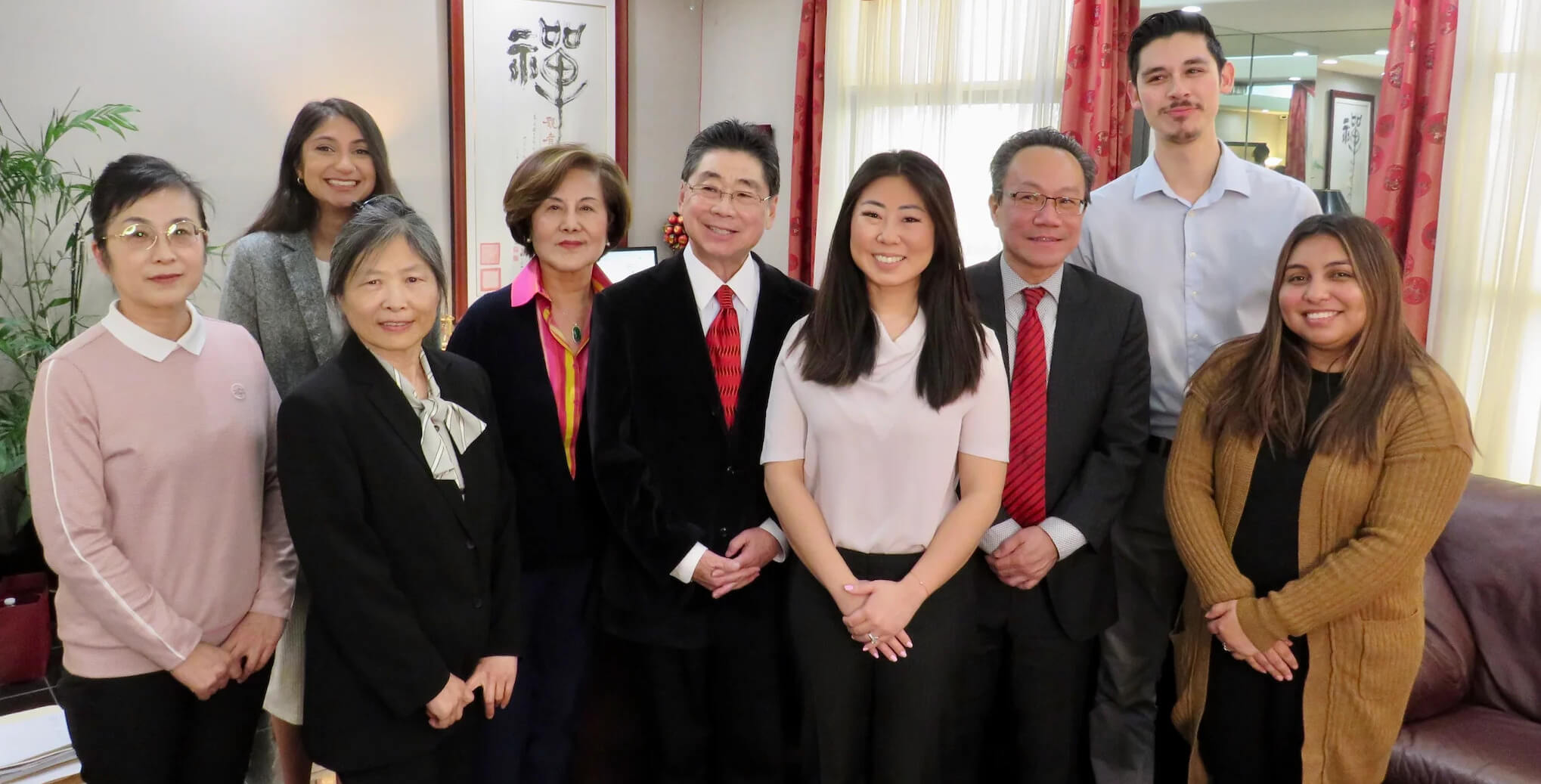
Why Choose Us?
-

Unmatched Expertise
Trust in Peter Chu's 75+ years of collective experience to guide you through complex immigration matters.
-

Tailored Solutions
Our personalized strategies adapt to your unique circumstances, ensuring we meet your specific immigration needs.
-

Proven Success
Benefit from our solid track record in achieving favorable outcomes in various immigration cases across San Diego.
-

Dedicated Service
Experience our client-first approach that ensures constant support and guidance throughout your immigration journey.


Get clear, expert legal guidance tailored to your visa, green card, or citizenship needs.

Inquire now to check if you qualify
EB-1C Lawyer Detroit vs. General Immigration Practitioners vs. DIY Filing
Detroit executives considering EB-1C representation face three paths: hiring an EB-1C immigration lawyer Detroit firms recommend, working with a general immigration practitioner who handles all visa types, or attempting DIY filing using USCIS forms and instructions. Each has distinct trade-offs in approval likelihood, cost, and timeline. Here's the honest answer: EB-1C petitions have one of the highest RFE rates in employment-based immigration — not because applicants are unqualified, but because the 'managerial capacity' and 'executive capacity' definitions in 8 CFR 204.5(j)(5) are interpreted inconsistently across USCIS service centers, and cases require legal briefs citing precedent decisions like Matter of Chawathe to preempt common RFE triggers. General practitioners who file 10–15 EB-1C cases per year lack the pattern recognition to know which organizational structures will trigger scrutiny. DIY filers routinely submit petitions without addressing the 'primarily' requirement — that managerial or executive duties must constitute the majority of your role — leading to denials that are difficult to overcome on appeal.
| Factor | EB-1C Specialist (Law Office of Peter Darwin Chu) | General Immigration Attorney | DIY Filing | Professional Assessment |
|---|---|---|---|---|
| Approval Rate | Higher — structured to preempt RFEs using case law and service center patterns | Moderate — relies on USCIS form instructions without jurisdiction-specific strategy | Lower — high RFE and denial rates due to insufficient legal briefing | Specialist petitions are drafted to match adjudicator expectations, not just regulatory minimums |
| Cost | Legal fees + filing fees ($700 Form I-140 + $2,805 premium processing if elected) | Comparable legal fees, often without EB-1C case law expertise | $700–$3,505 filing fees only, but high risk of denial and re-filing costs | Failed DIY petitions often cost more in re-filing and delay than hiring counsel initially |
| Timeline | 15 days with premium processing, 6–12 months standard; RFE response within 30–45 days of receipt | Similar timeline, but RFE responses may lack case-specific legal arguments | Extended — RFEs often result in 6+ month delays when responses are insufficient | Premium processing is available but does not reduce RFE likelihood — only response time |
| Documentation Quality | Legal brief with cited precedent, structured exhibits, employer support letters drafted to regulatory standards | Standard petition package, may lack precedent citation or organizational chart depth | Self-prepared statements and documents, often missing key regulatory elements | USCIS adjudicators weigh legal briefs heavily in discretionary cases — absence of one is a red flag |
Frequently Asked Questions
Find answers to common questions about our services
-
With premium processing (Form I-907, $2,805), USCIS adjudicates Form I-140 petitions within 15 calendar days. Standard processing averages 6–12 months depending on service center workload. Once I-140 is approved, Detroit residents in valid status file For
-
USCIS filing fees for EB-1C include $700 for Form I-140, optional $2,805 for premium processing, and $1,440 for Form I-485 adjustment of status (plus $85 biometrics fee per applicant). Legal fees for EB-1C representation vary by case complexity but typica
-
Yes — your spouse and unmarried children under 21 are eligible for derivative EB-1C status and can file Form I-485 concurrently with your adjustment application or follow-to-join later. Derivative beneficiaries receive the same permanent residence as the
-
No — while many EB-1C applicants transition from L-1A status, prior L-1A approval is not a prerequisite for EB-1C eligibility. You can file EB-1C directly if you meet the statutory requirements: employment abroad by a qualifying foreign entity in a manage
-
If USCIS denies your Form I-140, you have three options: file a motion to reopen or reconsider with new evidence, file an appeal to the Administrative Appeals Office (AAO), or re-file a new I-140 petition addressing the denial reasons. Denials are often b
-
Once your EB-1C Form I-140 is approved and you receive your green card, you are a lawful permanent resident and can work for any U.S. employer in any role without restriction. However, USCIS can revoke an approved I-140 if you leave the petitioning employ
-
EB-1C requires employer sponsorship and a qualifying multinational employment relationship, while EB-1A (extraordinary ability) is self-petitioned and requires evidence of sustained national or international acclaim in your field. EB-1C is appropriate for
-
USCIS requires that the foreign and U.S. entities maintain a qualifying relationship as parent, subsidiary, affiliate, or branch under 8 CFR 204.5(j)(2). This means one entity must own at least 50% of the other, or both must be owned by the same parent co
Need Personalized Immigration Guidance?

