
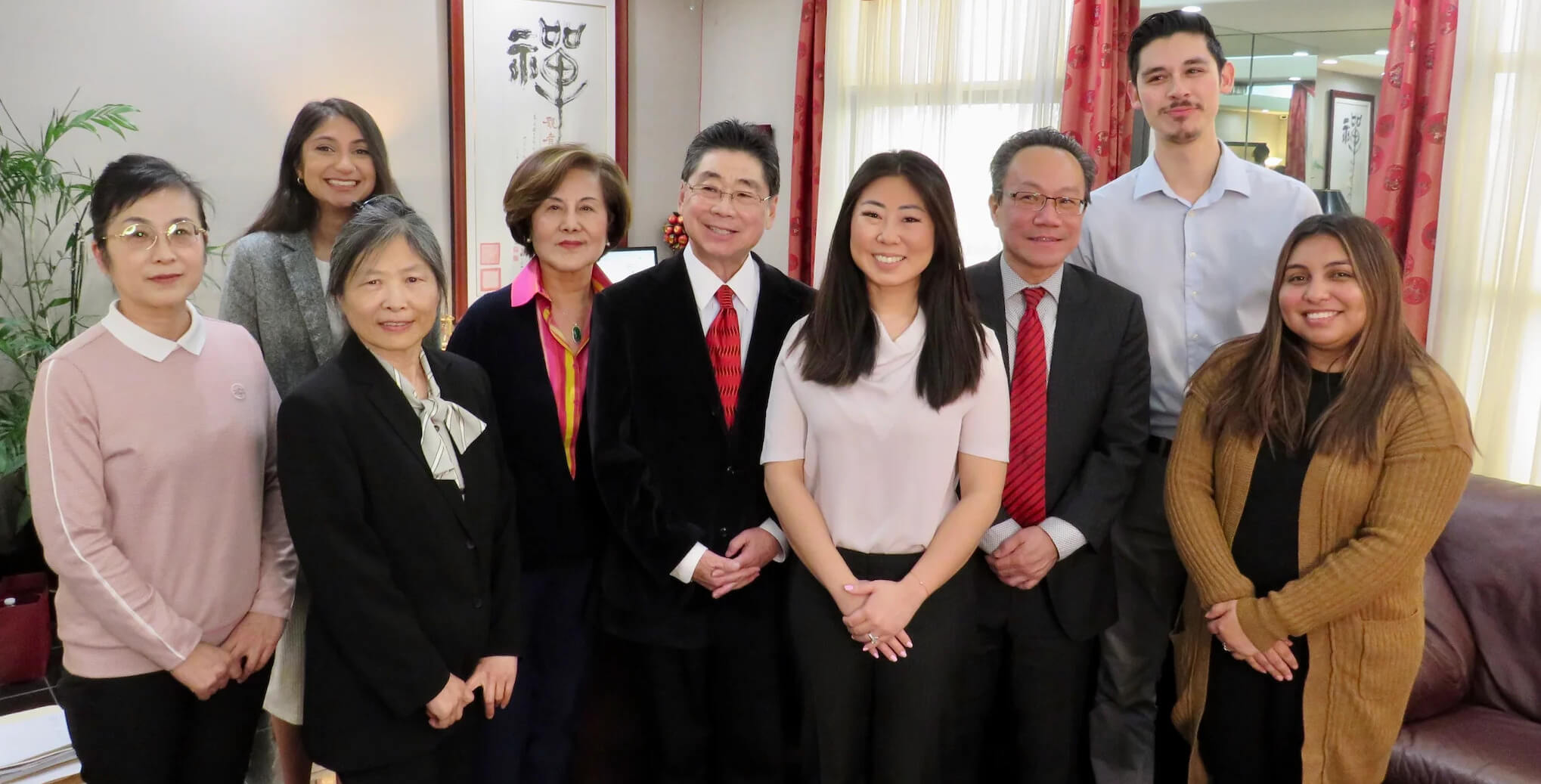
Why Choose Us?
-

Unmatched Expertise
Trust in Peter Chu's 75+ years of collective experience to guide you through complex immigration matters.
-

Tailored Solutions
Our personalized strategies adapt to your unique circumstances, ensuring we meet your specific immigration needs.
-

Proven Success
Benefit from our solid track record in achieving favorable outcomes in various immigration cases across San Diego.
-

Dedicated Service
Experience our client-first approach that ensures constant support and guidance throughout your immigration journey.


Get clear, expert legal guidance tailored to your visa, green card, or citizenship needs.

Inquire now to check if you qualify
Why Moreno Valley EB-1C Petitioners Choose Specialized Immigration Counsel Over General Practice Attorneys
EB-1C petitions are governed by a narrow statutory category with specific regulatory definitions for managerial capacity, executive capacity, and qualifying relationships that general practice attorneys rarely encounter. Many Moreno Valley employers attempt EB-1C filings through general business attorneys unfamiliar with USCIS adjudication standards — resulting in petitions that fail to address the core evidentiary requirements or mischaracterize the beneficiary's role. Here's the honest answer: immigration law is a federal administrative practice with its own procedural rules, agency precedent decisions, and evidentiary standards that do not overlap with state civil or corporate law. Choosing an attorney with dedicated EB-1C experience — not someone who handles immigration as a small fraction of a general practice — directly impacts petition approval rates.
| Approach | Managerial Capacity Analysis | USCIS Precedent Knowledge | RFE Response Experience | Bottom Line |
|---|---|---|---|
| Specialized EB-1C Immigration Counsel | Detailed analysis of job duties against 8 CFR definitions before filing | Cites AAO precedent decisions in legal briefs | Routinely responds to RFEs with supplemental evidence and legal argument | Focuses exclusively on immigration — understands USCIS adjudication standards |
| General Business Attorney | Relies on job title and employer description | Limited familiarity with federal immigration case law | May treat RFE as contract negotiation rather than administrative record | May lack depth in federal immigration procedure |
| DIY Employer Filing | No legal analysis of qualifying criteria | Unaware of regulatory requirements | Unprepared to respond to evidentiary challenges | High risk of denial due to incomplete documentation |
Frequently Asked Questions
Find answers to common questions about our services
-
EB-1C petitions filed with USCIS California Service Center currently average 6 to 9 months for standard processing, though timelines fluctuate based on USCIS workload and the complexity of the case. Premium processing is available for an additional $2,500
-
L-1A is a temporary nonimmigrant visa allowing executives and managers to work in the U.S. for up to seven years, while EB-1C is a permanent residence petition leading directly to a green card. Many Moreno Valley multinational managers enter on L-1A statu
-
No, EB-1C petitions are exempt from the PERM labor certification process required for EB-2 and EB-3 employment-based green cards. This exemption significantly reduces processing time — labor certification alone can take 12 to 24 months. The trade-off is t
-
No, the Immigration and Nationality Act requires that the beneficiary have been employed abroad by the qualifying foreign entity in a managerial or executive capacity for at least one continuous year within the three years preceding the petition filing da
-
EB-1C petitions must include corporate documents proving the qualifying relationship between the U.S. and foreign entities, the beneficiary's foreign employment verification and job duties, the U.S. job offer and organizational structure, and evidence tha
-
Yes, but USCIS scrutinizes EB-1C petitions filed by beneficiaries who own or control the petitioning employer. The petition must demonstrate that the beneficiary is not self-petitioning but is employed by the U.S. entity in a bona fide employer-employee r
-
If you are outside the United States when your EB-1C I-140 petition is approved, you must complete consular processing through the U.S. embassy or consulate in your home country to obtain an immigrant visa. This process includes submitting Form DS-260, at
-
Yes, the EB-1 category — which includes EB-1A, EB-1B, and EB-1C — has an annual numerical limit of approximately 40,000 visas per year, with a per-country cap limiting any single country to 7% of the total. As of 2026, EB-1C petitions from most countries
Need Personalized Immigration Guidance?

