
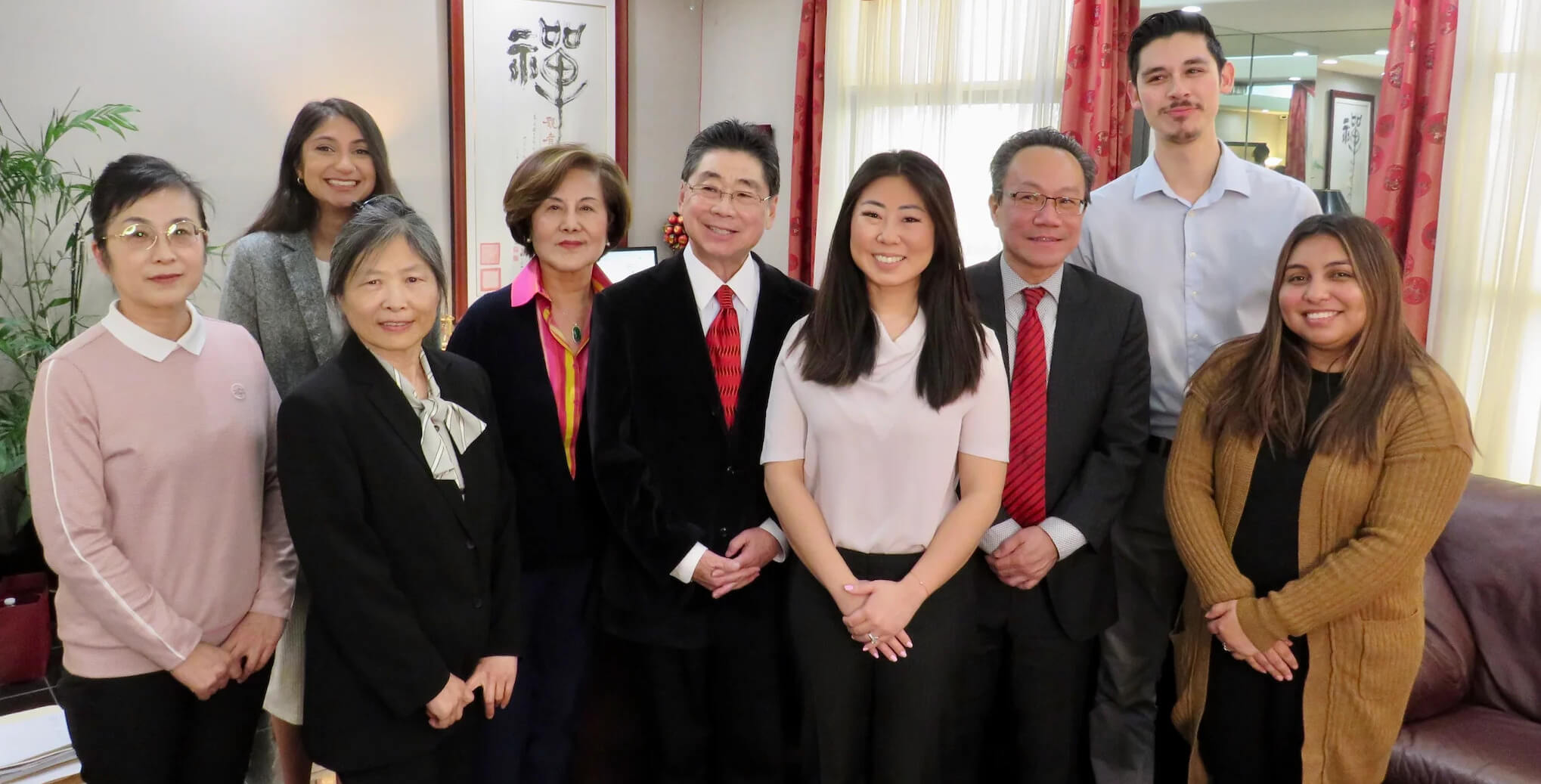
Why Choose Us?
-

Unmatched Expertise
Trust in Peter Chu's 75+ years of collective experience to guide you through complex immigration matters.
-

Tailored Solutions
Our personalized strategies adapt to your unique circumstances, ensuring we meet your specific immigration needs.
-

Proven Success
Benefit from our solid track record in achieving favorable outcomes in various immigration cases across San Diego.
-

Dedicated Service
Experience our client-first approach that ensures constant support and guidance throughout your immigration journey.


Get clear, expert legal guidance tailored to your visa, green card, or citizenship needs.

Inquire now to check if you qualify
Why Pleasanton Companies Choose Specialized EB-1C Counsel Over General Immigration Services
Pleasanton employers seeking EB-1C visa representation face a choice: retain an immigration attorney with employment-based petition experience, hire a general business immigration firm handling all visa categories, or attempt a self-filed petition using online templates. Here's the honest answer: EB-1C petitions have among the highest RFE rates in the employment-based preference system — not because the visa category is flawed, but because USCIS applies an intensely fact-specific analysis to organizational structure and managerial capacity claims that requires legal precision, not form-filling. General immigration practices that handle EB-1C petitions alongside tourist visas, asylum cases, and citizenship applications often lack the depth of experience in corporate structure documentation and managerial function analysis that employment-based first-preference cases demand. Self-filed petitions succeed in straightforward cases involving large multinational corporations with established U.S. operations but fail at high rates when the organizational structure is complex, the U.S. entity is small, or the position involves hybrid managerial-operational duties.
| Approach | Organizational Structure Analysis | RFE Response Experience | Managerial Capacity Proof | Bottom Line |
|---|---|---|---|
| EB-1C Specialist (Law office of Peter Darwin Chu) | Detailed org chart construction, corporate relationship proof, subsidiary vs. affiliate distinction | Direct experience with California Service Center RFE patterns, case-specific response strategy | Position description drafting, subordinate workforce evidence, policy-setting documentation | Best for Pleasanton employers with complex structures, small teams, or startup U.S. operations |
| General Immigration Firm | Basic org chart, limited corporate structure depth | Standard RFE templates, less category-specific strategy | Generic managerial duties list | Adequate for large corporations with obvious managerial roles |
| Self-Filed Petition | DIY org chart from online examples | No attorney guidance on RFE response | Employer-drafted position description often too operational | High failure rate unless corporate structure is simple and well-documented |
Frequently Asked Questions
Find answers to common questions about our services
-
Standard EB-1C processing through the California Service Center averages 6 to 12 months from filing to adjudication, though timelines vary based on USCIS workload and whether the petition receives an RFE. Employers paying the $2,805 Premium Processing fee
-
Yes — sole ownership of both entities establishes the qualifying relationship required under 8 CFR 204.5(j)(3)(i)(B), but it also triggers heightened USCIS scrutiny of whether the U.S. position is truly managerial when the beneficiary is both owner and em
-
Both categories require proof of managerial or executive capacity and a qualifying multinational relationship, but L-1A is a temporary nonimmigrant visa (initially valid for up to 3 years, extendable to 7 years total) while EB-1C is a pathway to permanent
-
No — EB-1C petitions are exempt from the labor certification (PERM) requirement that applies to EB-2 and EB-3 employment-based petitions. This exemption under INA 203(b)(1) means the petitioning employer does not need to conduct recruitment, obtain a prev
-
If USCIS denies the EB-1C petition, the petitioner may file a motion to reopen or reconsider within 30 days of the denial decision, or file a new petition addressing the deficiencies identified in the denial notice. Motions to reopen are governed by 8 CFR
-
Yes — the spouse and unmarried children under 21 of an EB-1C principal beneficiary are eligible for derivative immigrant visas in the same preference category under INA 203(d). This means your family members receive permanent residence at the same time yo
-
EB-1C attorney fees in California typically range from $8,000 to $15,000 depending on case complexity, organizational structure documentation required, and whether the petition is a new office case or standard filing. This fee generally covers petition pr
-
USCIS requires documentary proof that the U.S. and foreign entities are related through common ownership or control as defined at 8 CFR 204.5(j)(3)(i)(B) — typically a parent-subsidiary, branch, or affiliate relationship. For parent-subsidiary structures,
Need Personalized Immigration Guidance?

