
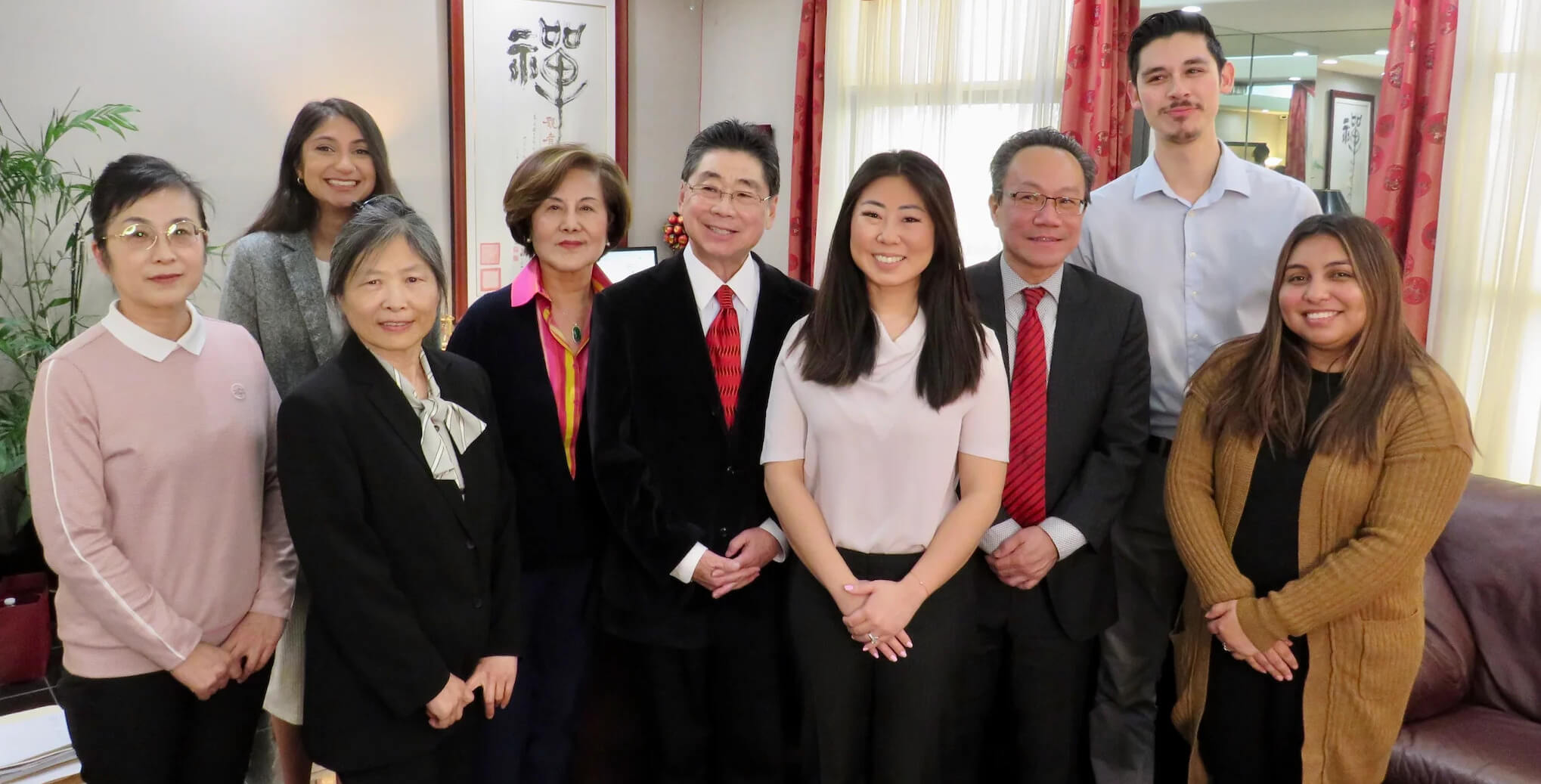
Why Choose Us?
-

Unmatched Expertise
Trust in Peter Chu's 75+ years of collective experience to guide you through complex immigration matters.
-

Tailored Solutions
Our personalized strategies adapt to your unique circumstances, ensuring we meet your specific immigration needs.
-

Proven Success
Benefit from our solid track record in achieving favorable outcomes in various immigration cases across San Diego.
-

Dedicated Service
Experience our client-first approach that ensures constant support and guidance throughout your immigration journey.


Get clear, expert legal guidance tailored to your visa, green card, or citizenship needs.

Inquire now to check if you qualify
Choosing the Right EB-1C Multinational Manager Visa Representation in Torrance
Torrance executives seeking EB-1C representation typically compare three alternatives: large immigration firms handling hundreds of case types, solo practitioners focusing exclusively on employment-based visas, and boutique firms specializing in multinational executive transfers. Large firms offer extensive resources but often assign EB-1C petitions to junior associates unfamiliar with the nuances of managerial capacity definitions under 8 CFR 204.5(j)(2). Solo practitioners provide direct attorney access but may lack the organizational infrastructure to handle complex RFE responses under tight USCIS deadlines. Boutique firms focused on employment immigration—such as the Law Office of Peter Darwin Chu—combine direct attorney involvement with focused expertise in multinational organizational structures and California Service Center adjudication patterns.
Here's the honest answer: most EB-1C denials do not result from weak cases—they result from poorly drafted petitions that fail to translate your actual job duties into the regulatory language USCIS adjudicators require under the managerial and executive capacity definitions in INA Section 101(a)(44). A petition that describes you as
Frequently Asked Questions
Find answers to common questions about our services
-
No—neither the foreign entity nor the U.S. entity is required to meet a minimum employee headcount or revenue threshold for EB-1C eligibility under 8 CFR 204.5(j). What USCIS examines is whether the organizational structure supports a managerial or execut
-
You cannot file the EB-1C petition itself until you have been employed abroad in a managerial or executive capacity for at least one continuous year within the three years preceding your admission to the United States under 8 CFR 204.5(j)(3)(i)(B). Howeve
-
Yes—you have two procedural options following an EB-1C denial. You can file a motion to reopen or reconsider with USCIS if you believe the denial was based on an error of fact or law, or you can appeal to the USCIS Administrative Appeals Office (AAO) with
-
If you are currently in Torrance on L-1A status and have satisfied the one-year-abroad requirement for EB-1C eligibility, filing your EB-1C petition as early as possible is strategically advantageous. L-1A status is temporary—limited to seven years maximu
-
USCIS processing times for EB-1C petitions filed at the California Service Center currently average 6–8 months for standard processing as of 2026. Premium processing (Form I-907) is available for an additional $2,805 fee and guarantees a 15-business-day a
-
EB-1C representation fees in Torrance typically range from $8,000 to $15,000 depending on case complexity, organizational structure documentation requirements, and whether RFE response is anticipated. This attorney fee is separate from USCIS filing fees:
-
No—8 CFR 204.5(j)(3)(i)(B) requires that you have been employed abroad in a managerial or executive capacity for at least one continuous year within the three years preceding your admission to the United States. Eleven months does not satisfy this regulat
-
No—your role abroad and your intended role in Torrance do not need to be identical, but both must qualify as managerial or executive under INA Section 101(a)(44). You may have managed a sales team abroad and will manage a product development team in Torra
-
Yes—8 CFR 204.5(j)(2) requires that the U.S. entity and the foreign entity maintain a qualifying organizational relationship as parent, subsidiary, branch, or affiliate. For Torrance-based EB-1C petitions, this typically means providing corporate document
-
Technically, you can file an EB-1C petition while in the United States on B-1/B-2 tourist status, but doing so is strategically problematic and may trigger immigration intent concerns. Filing an immigrant petition (Form I-140) while in nonimmigrant status
Need Personalized Immigration Guidance?

