
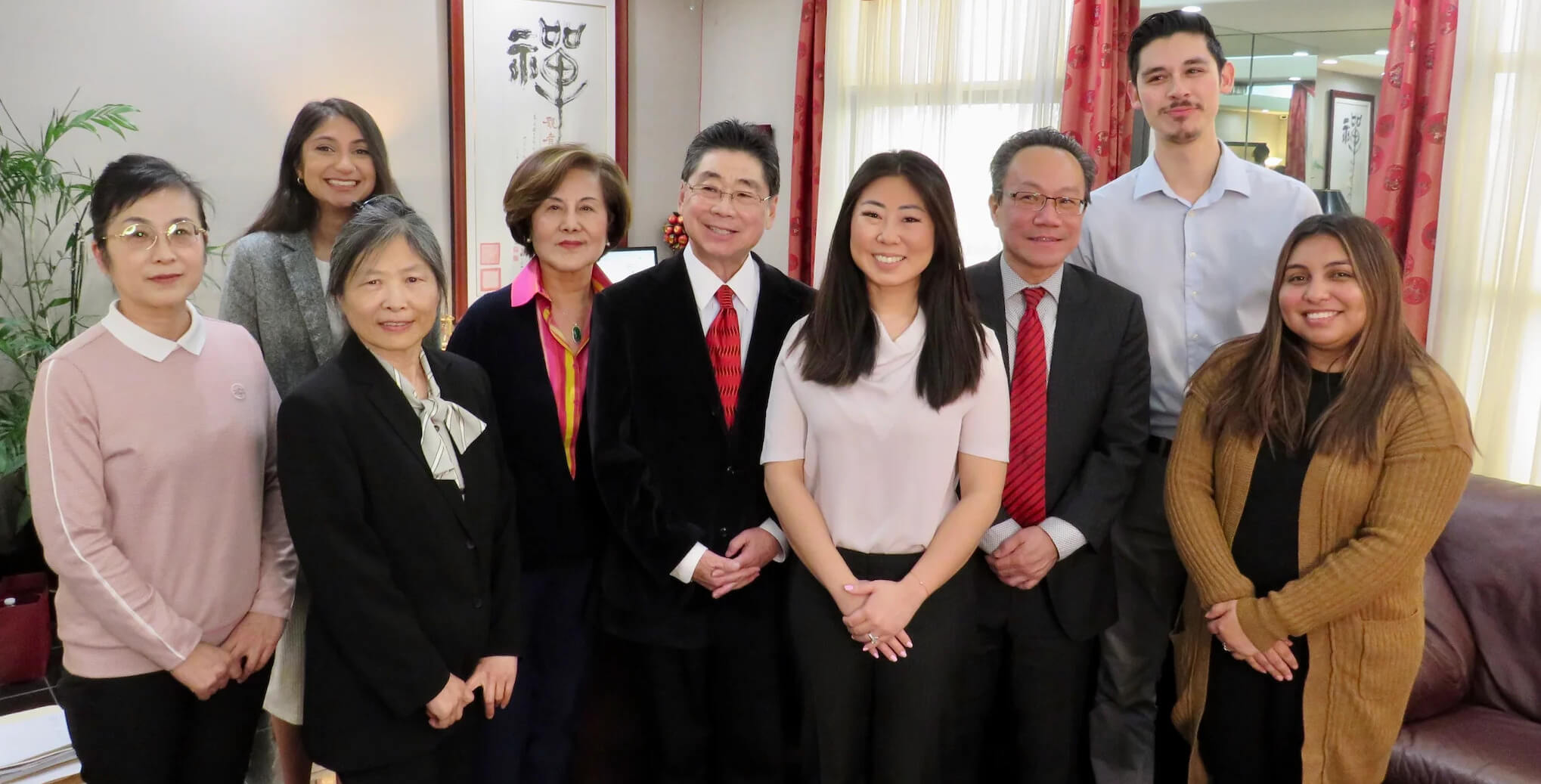
Why Choose Us?
-

Unmatched Expertise
Trust in Peter Chu's 75+ years of collective experience to guide you through complex immigration matters.
-

Tailored Solutions
Our personalized strategies adapt to your unique circumstances, ensuring we meet your specific immigration needs.
-

Proven Success
Benefit from our solid track record in achieving favorable outcomes in various immigration cases across San Diego.
-

Dedicated Service
Experience our client-first approach that ensures constant support and guidance throughout your immigration journey.


Get clear, expert legal guidance tailored to your visa, green card, or citizenship needs.

Inquire now to check if you qualify
Choosing EB-1C Representation in Washington DC: What Sets Specialized Immigration Counsel Apart
Washington DC employers seeking EB-1C representation face three primary options: general immigration firms handling all visa categories, corporate immigration departments within large law firms, and specialized EB-1C practitioners focusing exclusively on employment-based immigrant petitions. General immigration firms often lack the depth in managerial capacity documentation required for complex EB-1C cases. Corporate immigration departments provide comprehensive service but may assign your petition to junior associates without direct EB-1C trial experience. Specialized practitioners offer focused expertise in organizational structure analysis, qualifying relationship documentation, and RFE response strategies specific to multinational manager petitions.
Here's the honest answer: EB-1C petitions require evidence precision that generalist immigration attorneys rarely develop — the difference between a functional manager and a first-line supervisor is a legal distinction that determines petition approval, not a business judgment call. Law office of Peter Darwin Chu limits its practice to employment-based immigrant and nonimmigrant visas, ensuring every EB-1C petition receives attorney review by counsel with direct experience in USCIS adjudication standards for managerial capacity evidence.
| Factor | General Immigration Firm | Corporate Immigration Dept | Specialized EB-1C Counsel | Professional Assessment |
|---|---|---|---|---|
| Managerial Capacity Analysis | Basic job description review | Standardized organizational chart | Detailed percentage-of-time functional analysis | Specialized counsel provides evidence USCIS expects |
| Qualifying Relationship Documentation | Generic corporate documents | Multi-entity legal review | Ownership structure diagrams with control analysis | Complex structures require targeted documentation |
| RFE Response Strategy | Template-based supplements | Committee review process | Attorney-drafted legal briefs addressing examiner concerns | RFEs demand specific legal argument, not boilerplate |
| Average EB-1C Caseload per Attorney | Mixed with family and asylum cases | 30-50 cases across all employment categories | 60+ EB-1C petitions annually | Volume builds pattern recognition for common issues |
Frequently Asked Questions
Find answers to common questions about our services
-
Standard USCIS processing for EB-1C petitions currently averages 6–9 months from filing to decision, though processing times fluctuate by service center. Washington DC employers can request premium processing for an additional $2,805 fee, which guarantees
-
Both categories require managerial or executive capacity and one year of foreign employment, but EB-1C leads to permanent residence (green card) while L-1A is a temporary nonimmigrant visa valid up to seven years. EB-1C requires the U.S. employer to file
-
Yes, but only if the startup qualifies as a new office with a demonstrated qualifying relationship to a foreign entity. The foreign entity must have been doing business for at least one year, and the U.S. startup must prove it will support an executive or
-
EB-1C legal fees in Washington DC typically range from $8,000 to $15,000 depending on case complexity, with additional government filing fees of $700 (I-140 petition) and $2,805 for optional premium processing. Cases involving new office petitions, comple
-
USCIS requires documentation establishing that the foreign and U.S. entities share common ownership and control through a parent-subsidiary, branch, or affiliate relationship. Typical evidence includes articles of incorporation, stock certificates showing
-
Yes, an L-1A denial does not automatically disqualify you from EB-1C eligibility, but you must address the reasons for the L-1A denial in the EB-1C petition. If USCIS denied the L-1A due to insufficient evidence of managerial capacity, you will need to pr
-
An RFE means USCIS requires additional documentation or clarification before making a decision — it is not a denial. Common RFE topics for EB-1C petitions include insufficient proof of managerial capacity, unclear qualifying relationship, or inadequate ev
-
No, EB-1C petitions are exempt from the labor certification (PERM) process that EB-2 and EB-3 categories require. You do not need to conduct recruitment, prove no qualified U.S. workers are available, or obtain a prevailing wage determination from the Dep
Need Personalized Immigration Guidance?

