
Why Choose Us?
-

Unmatched Expertise
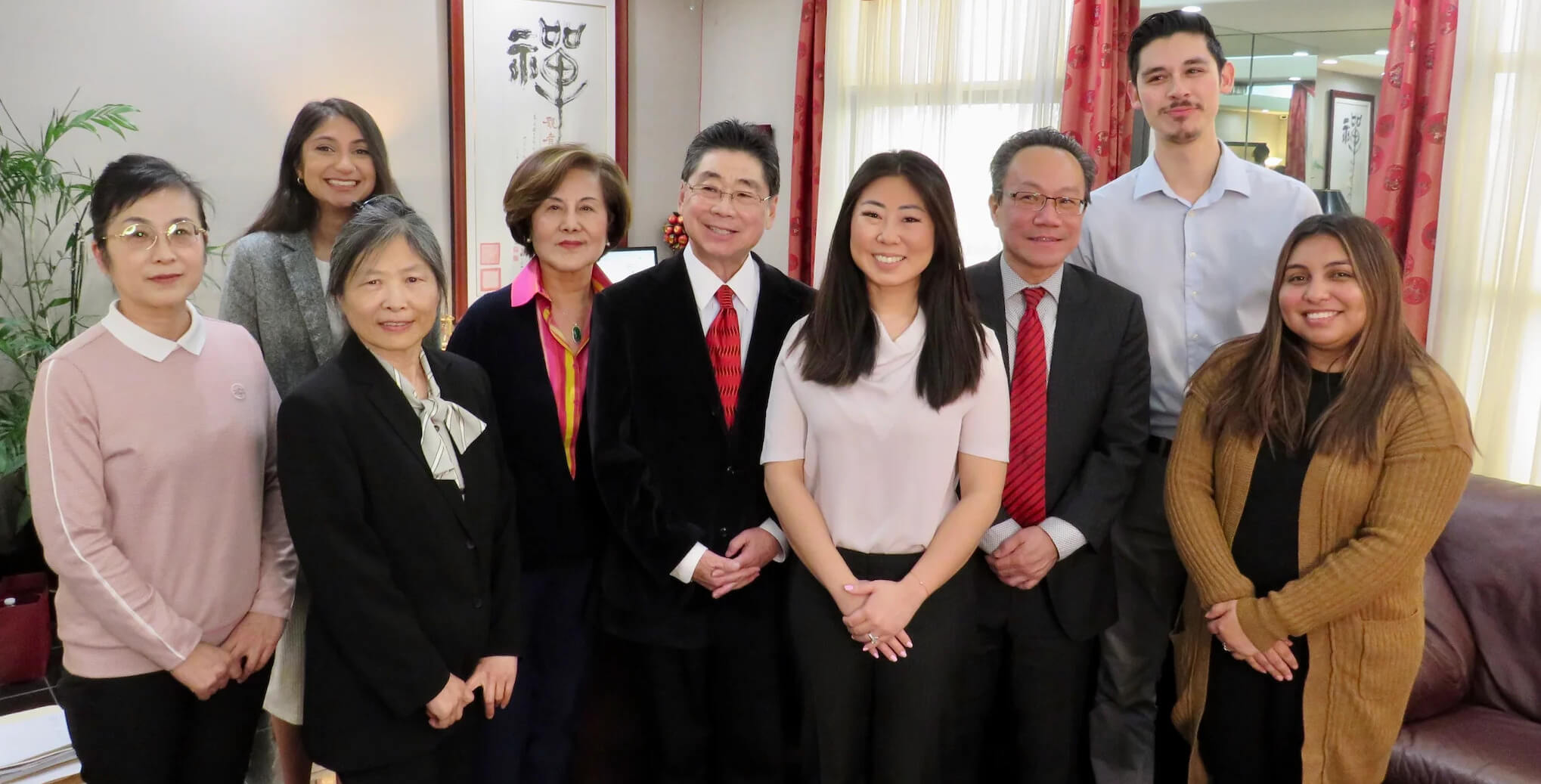
Trust in Peter Chu's 75+ years of collective experience to guide you through complex immigration matters.
-

Tailored Solutions
Our personalized strategies adapt to your unique circumstances, ensuring we meet your specific immigration needs.
-
Proven Success
Benefit from our solid track record in achieving favorable outcomes in various immigration cases across San Diego.
-

Dedicated Service
Experience our client-first approach that ensures constant support and guidance throughout your immigration journey.


Get clear, expert legal guidance tailored to your visa, green card, or citizenship needs.

Inquire now to check if you qualify
Comparing Your EB-2 NIW Options in Chicago
Chicago professionals seeking permanent residence through employment-based petitions face three primary paths: employer-sponsored EB-2 with PERM labor certification, EB-2 National Interest Waiver (self-petition), and EB-1A extraordinary ability (no employer required). Each carries distinct timelines, evidentiary burdens, and strategic tradeoffs.
Here's the honest answer: PERM labor certification adds 8–14 months to your timeline and requires an employer willing to sponsor you — but it imposes no requirement to prove 'national importance' or 'well-positioned' status. NIW eliminates the job offer and labor certification but demands a higher evidentiary burden on the national scope and future impact of your work. EB-1A requires no job offer and no labor certification but sets the qualification bar significantly higher — requiring sustained national or international acclaim. For Chicago-area professionals with strong publication records, patents, or entrepreneurial traction but who don't yet meet EB-1A's 'extraordinary ability' threshold, EB-2 NIW offers the most realistic self-petitioning path.
| Path | Job Offer Required | Labor Certification | Evidentiary Standard | Typical Timeline |
|---|---|---|---|
| EB-2 PERM (Employer-Sponsored) | Yes | Yes (6–12 months) | Advanced degree + job requirements | 14–20 months total |
| EB-2 NIW (Self-Petition) | No | No | Dhanasar three-prong test | 6–12 months I-140 processing |
| EB-1A (Extraordinary Ability) | No | No | Sustained national/international acclaim | 6–12 months I-140 (premium available) |
| Professional Assessment | NIW best for self-petitioning professionals with national-scope work who don't meet EB-1A threshold | PERM faster for those with employer support and straightforward job roles | EB-1A fastest and most flexible but highest bar | Consult an EB-2 NIW attorney Chicago to assess your specific profile |
Frequently Asked Questions
Find answers to common questions about our services
-
USCIS I-140 processing times for EB-2 National Interest Waiver petitions filed by Chicago residents currently average 6.8–11.2 months at the National Benefits Center (as of January 2026 published processing times). Premium processing is not available for
-
The first Dhanasar prong requires that your proposed endeavor — whether research, entrepreneurship, or professional work — has intrinsic merit (scientific validity, business viability, social value) and benefits the nation as a whole, not just a local reg
-
Yes — filing an EB-2 NIW I-140 petition does not violate H-1B nonimmigrant intent because the NIW is an immigrant petition filed on your own behalf, not by your employer. Your H-1B status remains valid throughout the I-140 process and beyond. Once your I-
-
No — the National Interest Waiver permits self-petitioning, meaning you file the I-140 on your own behalf without employer sponsorship or a job offer. This is the defining feature that distinguishes NIW from standard EB-2 employer-sponsored petitions. You
-
The second Dhanasar prong requires evidence that you have the education, skills, knowledge, track record, and resources to successfully advance your proposed endeavor. For Chicago EB-2 NIW petitions, this typically includes: advanced degree credentials (m
-
Yes — your spouse and unmarried children under 21 are eligible for derivative EB-2 status and can apply for adjustment of status (Form I-485) concurrently with your own application once a visa number is available. They do not need separate I-140 petitions
-
Yes — an I-140 denial does not bar you from filing a new petition. USCIS denials typically cite one of the three Dhanasar prongs as insufficiently demonstrated, and the denial notice specifies which prong failed and why. Most Chicago EB-2 NIW attorney Chi
-
Priority date retrogression occurs when EB-2 visa demand from applicants born in a specific country exceeds the annual per-country quota, causing the final action date published in the State Department Visa Bulletin to move backward. As of early 2026, EB-
Need Personalized Immigration Guidance?

