
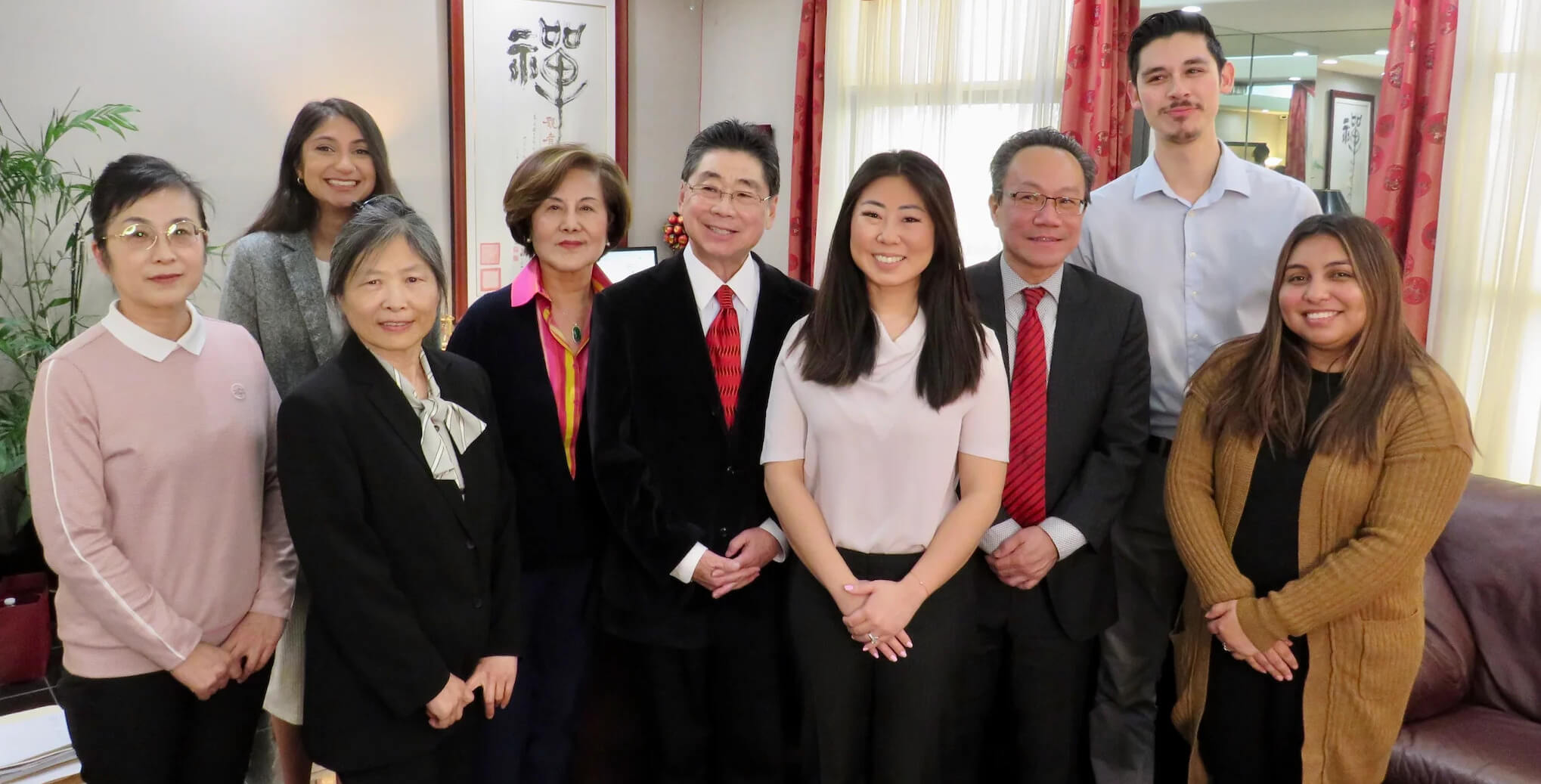
Why Choose Us?
-

Unmatched Expertise
Trust in Peter Chu's 75+ years of collective experience to guide you through complex immigration matters.
-

Tailored Solutions
Our personalized strategies adapt to your unique circumstances, ensuring we meet your specific immigration needs.
-

Proven Success
Benefit from our solid track record in achieving favorable outcomes in various immigration cases across San Diego.
-

Dedicated Service
Experience our client-first approach that ensures constant support and guidance throughout your immigration journey.


Get clear, expert legal guidance tailored to your visa, green card, or citizenship needs.

Inquire now to check if you qualify
Choosing an EB-2 NIW Attorney in Perris: What Separates Strong Petitions from Denials
Perris EB-2 National Interest Waiver applicants typically evaluate three paths: filing pro se (self-represented), retaining a general immigration attorney, or working with a firm experienced in NIW petition strategy. Here's the honest answer: EB-2 NIW is one of the most evidence-intensive employment-based categories — USCIS adjudicators apply the three-prong Dhanasar test with strict scrutiny, and pro se filers face RFE rates exceeding 60% according to AILA tracking data. General immigration practitioners without NIW case experience often submit generic expert letters and fail to preemptively address the 'well-positioned' prong with field-specific evidence. Law office of Peter Darwin Chu structures every NIW petition around precedent decisions, regulatory guidance, and adjudicator training materials — we know what evidence USCIS considers persuasive because we study their internal policy manuals and AAO decisions.
| Approach | Evidence Strategy | RFE Risk | Approval Timeline |
|---|---|---|---|
| Pro Se Filing | Generic templates, minimal expert support | High (60%+) | 12–24 months with RFEs |
| General Immigration Firm | Standard I-140 package, reactive RFE response | Moderate (35-45%) | 10–18 months |
| NIW-Focused Practice | Dhanasar-aligned evidence, preemptive documentation, field-specific expert letters | Low (15-25%) | 8–14 months with premium processing |
Frequently Asked Questions
Find answers to common questions about our services
-
Standard I-140 processing for EB-2 National Interest Waiver petitions averages 8–12 months at USCIS service centers, though premium processing (15-day adjudication for an additional $2,805 fee) is available for I-140 petitions as of 2026. Once your I-140
-
USCIS filing fees for EB-2 NIW include $700 for Form I-140 (immigrant petition) plus $2,805 if you elect premium processing. Once your priority date is current, Form I-485 (adjustment of status) costs $1,440 per applicant, plus $260 per dependent. Perris
-
Yes — your spouse and unmarried children under 21 are derivative beneficiaries on your I-140 petition and can apply for adjustment of status (I-485) or immigrant visas when your priority date becomes current. They receive the same priority date as your pr
-
No — the National Interest Waiver category explicitly waives the job offer requirement and labor certification process required for standard EB-2 petitions. You self-petition by demonstrating your proposed work serves the U.S. national interest under the
-
Matter of Dhanasar is the 2016 AAO precedent decision establishing the current three-prong test for EB-2 National Interest Waiver approval. Prong one requires your proposed work have substantial merit and national importance. Prong two requires you are we
-
Yes — because EB-2 NIW is a self-petition without employer sponsorship, you are not tied to a specific employer or job offer. You can change employers, change fields, or become self-employed after I-140 approval as long as you continue working in an endea
-
USCIS considers work nationally important if it has substantial positive economic, cultural, educational, scientific, or technological impact. Strong evidence for Perris applicants includes: published research cited by others in your field, patents with c
-
Yes — you can refile a new I-140 petition after a denial, but you must address the deficiencies identified in the denial notice or provide new evidence. Common denial reasons include insufficient proof of national importance, lack of evidence you are well
Need Personalized Immigration Guidance?

