
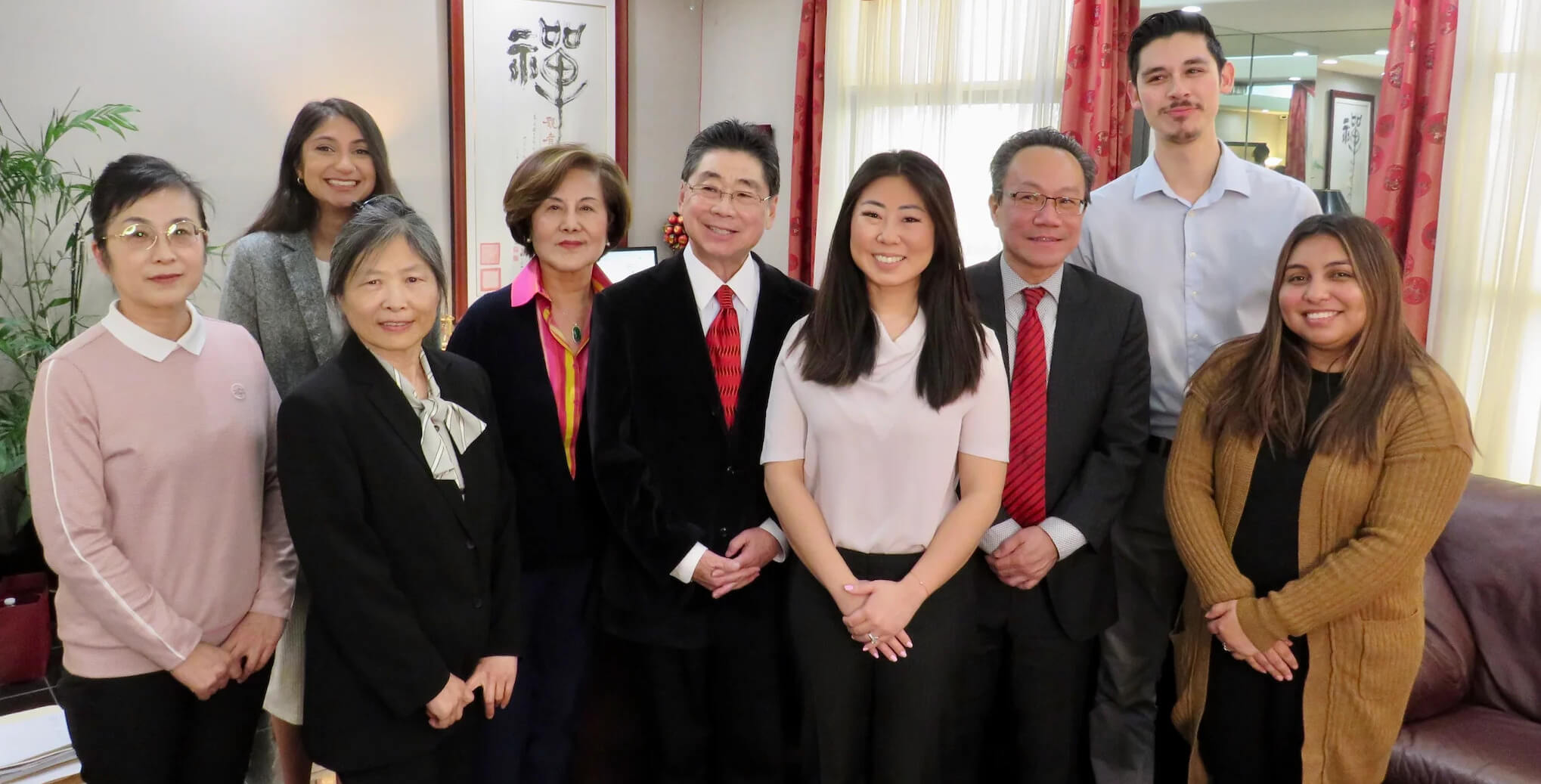
Why Choose Us?
-

Unmatched Expertise
Trust in Peter Chu's 75+ years of collective experience to guide you through complex immigration matters.
-

Tailored Solutions
Our personalized strategies adapt to your unique circumstances, ensuring we meet your specific immigration needs.
-

Proven Success
Benefit from our solid track record in achieving favorable outcomes in various immigration cases across San Diego.
-

Dedicated Service
Experience our client-first approach that ensures constant support and guidance throughout your immigration journey.


Get clear, expert legal guidance tailored to your visa, green card, or citizenship needs.

Inquire now to check if you qualify
Why Redondo Beach Families Choose Licensed Immigration Counsel Over Alternatives
Families pursuing F-2A visas in Redondo Beach typically consider three options: hiring a licensed immigration attorney, using a notario or document preparation service, or filing the petition pro se (self-filing). Here's the honest answer: notarios in California are prohibited from providing legal advice or representing clients before USCIS under California Business and Professions Code Section 6125, yet many unlicensed notarios charge fees comparable to attorney fees while delivering no legal protection. Self-filing is legally permissible but carries procedural risk. USCIS does not provide legal advice, and an incorrectly filed I-130 or I-485 can result in denials that are difficult or impossible to reverse. Licensed immigration attorneys are bound by ethical rules, maintain malpractice insurance, and provide representation if the case is denied or requires appeal.
| Option | Legal Advice | USCIS Representation | Liability Protection | Professional Assessment |
|---|---|---|---|---|
| Licensed Immigration Attorney | Yes. Authorized under state and federal law | Yes. Direct representation in RFEs, interviews, appeals | Yes. Malpractice insurance and State Bar oversight | Best for complex cases, prior immigration violations, or cases requiring waiver applications |
| Notario/Document Preparer | No. Prohibited by California law | No. Cannot represent clients before USCIS | No. No insurance or regulatory oversight | High risk. Many operate illegally and provide no recourse if case is denied |
| Self-Filing (Pro Se) | No. USCIS does not provide legal guidance | Limited. You may appear on your own behalf | No. All risk borne by applicant | Viable only for straightforward cases with no prior denials, unlawful presence, or criminal history |
| Notary Public (U.S.) | No. Authorized only to witness signatures | No. No immigration authority whatsoever | No | Not an immigration service provider. Provides notarization only |
Frequently Asked Questions
Find answers to common questions about our services
-
F-2A processing times in 2026 vary based on the applicant's country of chargeability and whether adjustment of status or consular processing is used. For applicants from countries without backlogs, I-130 approval currently takes 12–18 months, followed by
-
If your F-2A spouse is adjusting status in the United States and has filed Form I-765 (Application for Employment Authorization) concurrently with the I-485, they may receive an Employment Authorization Document (EAD) within 4–8 months of filing. This EAD
-
An F-2A petition requires: Form I-130 with filing fee, proof of petitioner's permanent resident status (copy of green card), marriage certificate (for spouse petitions) or birth certificate (for child petitions), proof of legal termination of any prior ma
-
F-2A is for unmarried children under 21 of lawful permanent residents, while IR-2 is for unmarried children under 21 of U.S. citizens. IR-2 is an immediate relative category with no annual quota or priority date wait, while F-2A is a preference category s
-
Yes, but only if the marriage creating the stepparent-stepchild relationship occurred before the child turned 18. A lawful permanent resident may petition for a stepchild under the F-2A category if they married the child's biological parent while the chil
-
If USCIS denies an I-130 petition, the petitioner receives a written denial notice explaining the reason for denial and the right to appeal. Most F-2A denials are based on insufficient evidence of the qualifying relationship, failure to prove petitioner's
-
Once an F-2A beneficiary receives lawful permanent resident status, they hold a conditional or unconditional green card depending on the case. Most F-2A beneficiaries receive unconditional 10-year green cards, which must be renewed by filing Form I-90 wit
-
USCIS may expedite I-130 or I-485 processing in cases involving severe illness, death of a family member, or urgent humanitarian circumstances, but expedite requests are granted rarely and require substantial documentary evidence. F-2A cases are not typic
Need Personalized Immigration Guidance?

