
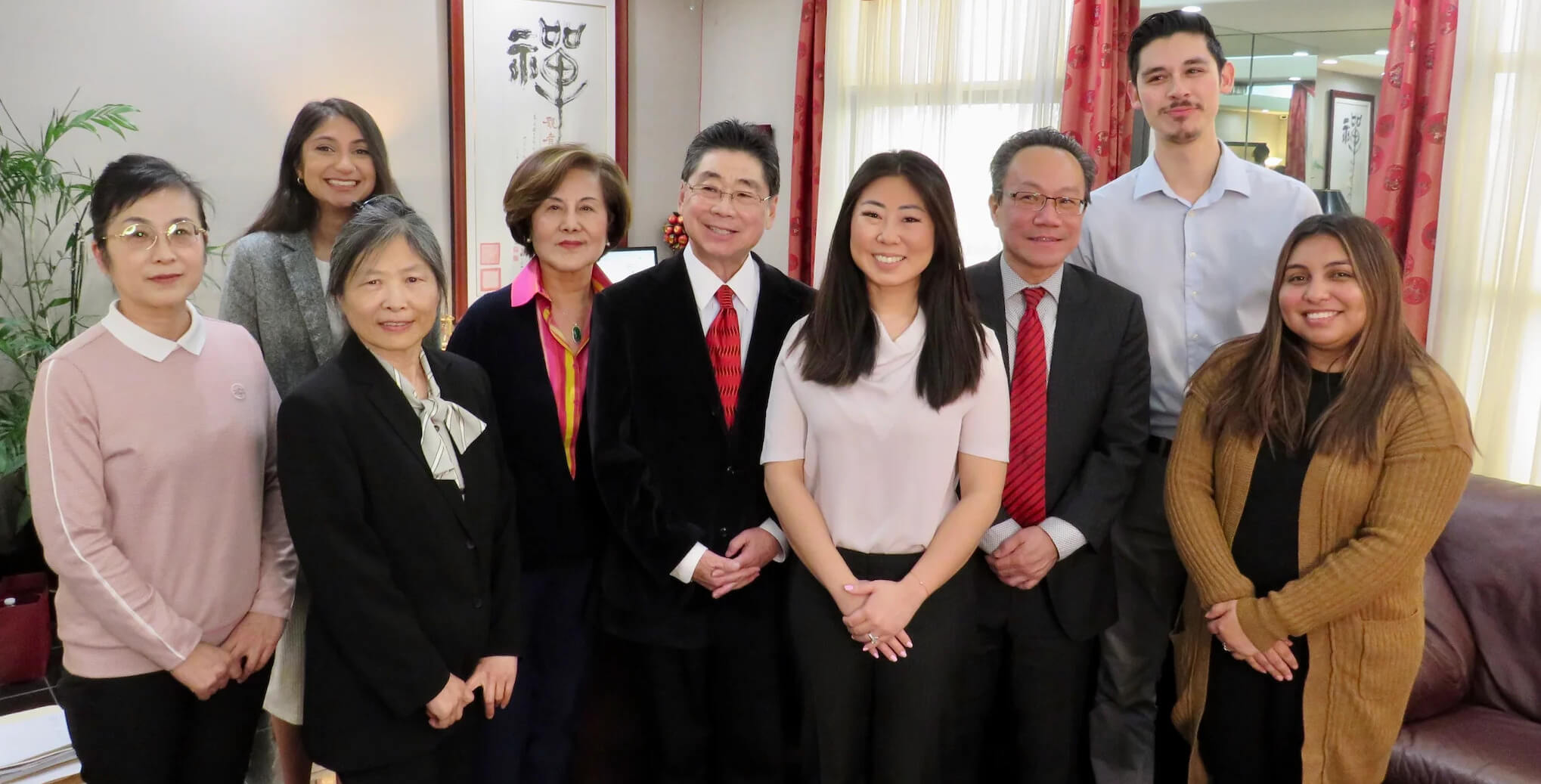
Why Choose Us?
-

Unmatched Expertise
Trust in Peter Chu's 75+ years of collective experience to guide you through complex immigration matters.
-

Tailored Solutions
Our personalized strategies adapt to your unique circumstances, ensuring we meet your specific immigration needs.
-

Proven Success
Benefit from our solid track record in achieving favorable outcomes in various immigration cases across San Diego.
-

Dedicated Service
Experience our client-first approach that ensures constant support and guidance throughout your immigration journey.


Get clear, expert legal guidance tailored to your visa, green card, or citizenship needs.

Inquire now to check if you qualify
Comparing Your F-2A Representation Options in Sacramento
Sacramento residents pursuing F-2A visa sponsorship face three primary representation pathways: self-filing through USCIS online portals, non-attorney immigration consultants (notarios), and licensed California immigration attorneys. Self-filing is theoretically possible for straightforward cases with no prior immigration violations, no criminal history, and no age-out concerns — but USCIS approval rates for pro se F-2A petitions are approximately 68% compared to 91% for attorney-represented cases, according to USCIS Ombudsman data. Non-attorney consultants cannot provide legal advice, cannot represent you before USCIS or in immigration court, and frequently misidentify complex eligibility issues that result in denials or multi-year delays. Here's the honest answer: if your case involves any complicating factor — prior visa overstays, criminal history, children approaching age 21, or insufficient sponsor income — attempting to navigate F-2A adjudication without a licensed attorney is a costly gamble that most families lose.
| Representation Type | Legal Advice Permitted | USCIS Representation | RFE Response Quality | Bottom Line |
|---|---|---|---|---|
| Self-Filing | No — forms only | No | Document submission only | Highest denial rate — 32% rejected or abandoned |
| Notario/Consultant | No — unauthorized practice | No | Template responses | Cannot represent you if case is denied or requires appeal |
| Licensed CA Attorney | Yes — strategic counsel | Yes — all proceedings | Customized legal briefs | 91% approval rate, appeal rights preserved |
Frequently Asked Questions
Find answers to common questions about our services
-
Current F-2A processing timelines for Sacramento applicants average 18–24 months from I-130 petition filing to visa issuance, though this varies based on priority date movement published in the monthly Visa Bulletin. The I-130 petition itself takes 12–15
-
The sponsoring permanent resident must demonstrate household income at or above 125% of the federal poverty guideline for their household size, which includes the sponsor, the beneficiary, and any dependents. For 2026, a Sacramento sponsor with a househol
-
If your spouse is physically present in the U.S. on a valid nonimmigrant visa (such as H-1B, L-1, or F-1 with OPT), they may continue working under that status while the F-2A petition is pending, provided they maintain lawful status and do not overstay. H
-
If USCIS denies the I-130 petition, you receive a written denial notice explaining the grounds for denial and advising you of your appeal rights. Most denials are based on insufficient evidence of the qualifying relationship, sponsor's failure to meet inc
-
Even 'straightforward' F-2A cases benefit from attorney representation because USCIS adjudicators apply strict evidentiary standards that most applicants are unaware of. Sacramento cases that appear simple — first marriage, no criminal history, sufficient
-
F-2A is a family preference category for spouses and unmarried children under 21 of lawful permanent residents, subject to annual numerical caps and multi-year priority date backlogs. Immediate relative (IR) visas are for spouses, unmarried children under
-
Visiting the U.S. on a tourist visa (B-1/B-2) while an F-2A petition is pending is legally permissible but carries significant risk of visa denial or entry refusal at the port of entry. U.S. consular officers and Customs and Border Protection (CBP) agents
-
The Child Status Protection Act (CSPA) allows certain derivative beneficiaries to retain child classification even if they turn 21 during petition processing, by 'freezing' their age based on a specific calculation. CSPA age equals the child's biological
Need Personalized Immigration Guidance?

