
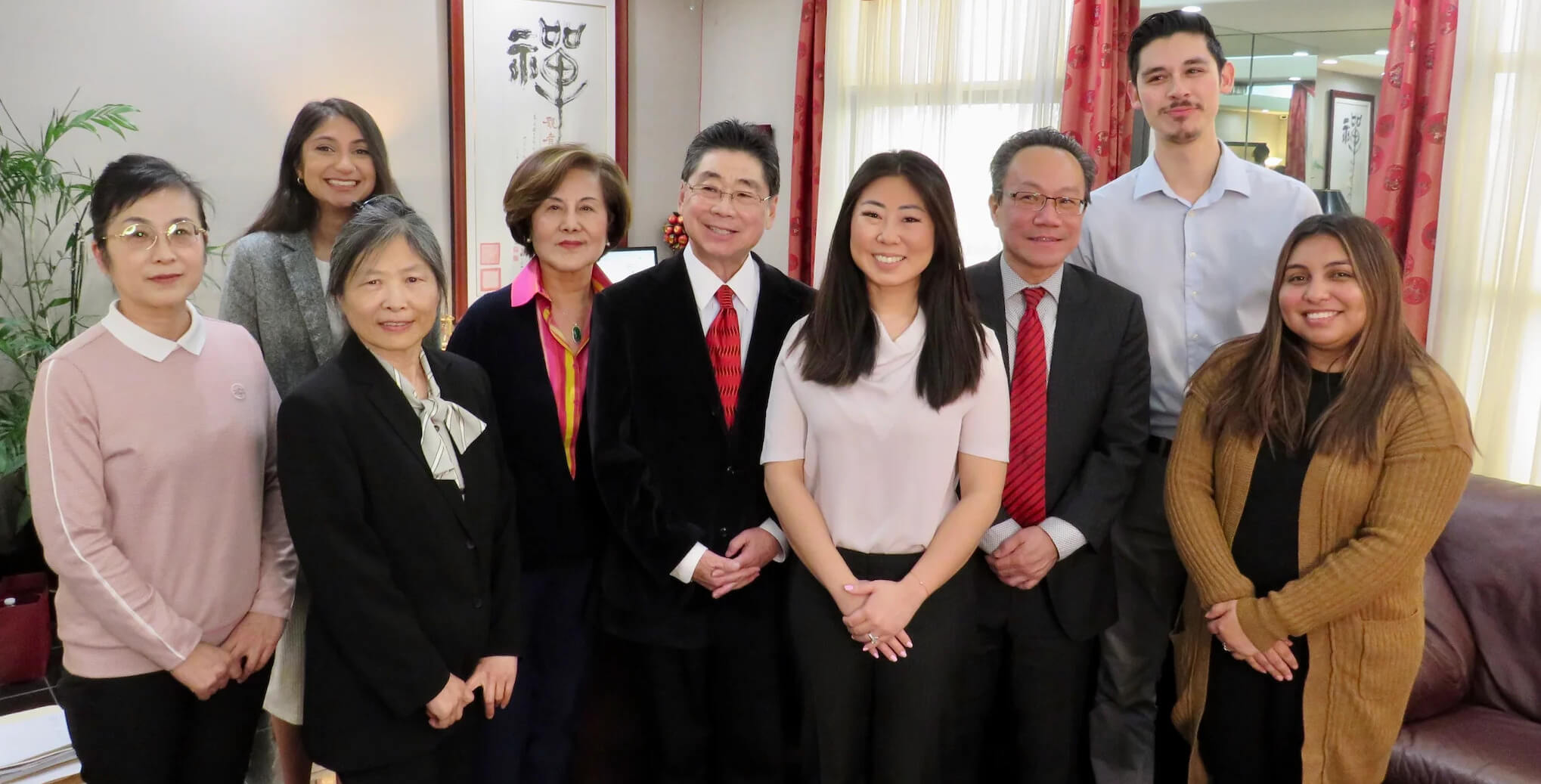
Why Choose Us?
-

Unmatched Expertise
Trust in Peter Chu's 75+ years of collective experience to guide you through complex immigration matters.
-

Tailored Solutions
Our personalized strategies adapt to your unique circumstances, ensuring we meet your specific immigration needs.
-

Proven Success
Benefit from our solid track record in achieving favorable outcomes in various immigration cases across San Diego.
-

Dedicated Service
Experience our client-first approach that ensures constant support and guidance throughout your immigration journey.


Get clear, expert legal guidance tailored to your visa, green card, or citizenship needs.

Inquire now to check if you qualify
Why Foster City Families Choose Law office of Peter Darwin Chu Over Alternatives
Foster City permanent residents pursuing F-2A visas typically compare three options: handling the case pro se (self-filing), hiring a general practice attorney who occasionally handles immigration, or retaining a dedicated immigration law firm. Here's the honest answer: F-2A cases appear deceptively simple — you file an I-130, wait for your priority date, then proceed to consular processing or adjustment. But the variables that determine success — CSPA age calculations, unlawful presence waiver eligibility, priority date retrogression strategy, and per-country quota fluctuations — are entirely invisible to petitioners filing on their own and unfamiliar to attorneys who don't track the Visa Bulletin monthly.
| Factor | Pro Se Filing | General Practice Attorney | Immigration-Focused Firm | Professional Assessment |
|---|---|---|---|---|
| Priority Date Monitoring | Manual, based on petitioner checking Visa Bulletin each month | Typically none — case filed and petitioner notified when approved | Monthly tracking with proactive alerts when date nears currency | Critical for avoiding delays — missing your priority date window by 30 days can push your case back months |
| CSPA Age-Out Protection | Petitioner responsible for calculating eligibility | Often overlooked unless client raises concern | Calculated automatically for every child beneficiary with age risk flagged in advance | Non-negotiable for families with children near age 21 — age-out denials are permanent |
| Unlawful Presence Waiver Strategy | Unknown to most petitioners until consular interview denial | Researched reactively after problem arises | Identified during initial consultation; I-601A waiver prepared before consular departure | Prevents multi-year separation — waiver approval before travel eliminates 3- or 10-year bar risk |
| Average Case Resolution Time | 18–30 months (includes RFE delays and procedural errors) | 16–24 months | 12–20 months with proactive case management | Time matters — every month of delay is a month of family separation |
Frequently Asked Questions
Find answers to common questions about our services
-
F-2A processing timelines depend primarily on two factors: USCIS processing time for the I-130 petition (currently 12 to 18 months) and priority date wait time before a visa number becomes available (currently 18 to 36 months for most countries, longer fo
-
F-2A beneficiaries outside the United States cannot work legally until they receive their immigrant visa and enter as lawful permanent residents. Beneficiaries already in the U.S. on a valid work-authorized visa (such as H-1B, L-1, or EAD-based status) ma
-
F-2A is the category for spouses of lawful permanent residents (green card holders), while immediate relative (IR-1/CR-1) is the category for spouses of U.S. citizens. The critical difference is that immediate relative petitions have no annual numerical l
-
USCIS does not require attorney representation for F-2A petitions, and many families successfully file I-130 petitions pro se. However, cases involving prior immigration violations (overstays, unlawful presence, prior denials), beneficiaries with criminal
-
If the petitioning permanent resident divorces the F-2A beneficiary before the beneficiary receives the immigrant visa or adjustment of status approval, the petition is automatically revoked and the case is terminated. There is no exception or waiver for
-
Unmarried children under 21 of your F-2A spouse are considered derivative beneficiaries and can immigrate with your spouse on the same petition without requiring a separate I-130, provided they are listed on the original petition and remain unmarried and
-
Petitioners must submit a Form I-864 Affidavit of Support demonstrating household income at or above 125% of the federal poverty guidelines for their household size (including the intending immigrant). For a household of two in 2026, this threshold is app
-
USCIS requires evidence that the marriage is bona fide — entered into for reasons other than obtaining immigration benefits. Strong evidence includes joint bank account statements, jointly owned or leased property (lease or deed with both names), joint ut
Need Personalized Immigration Guidance?

