
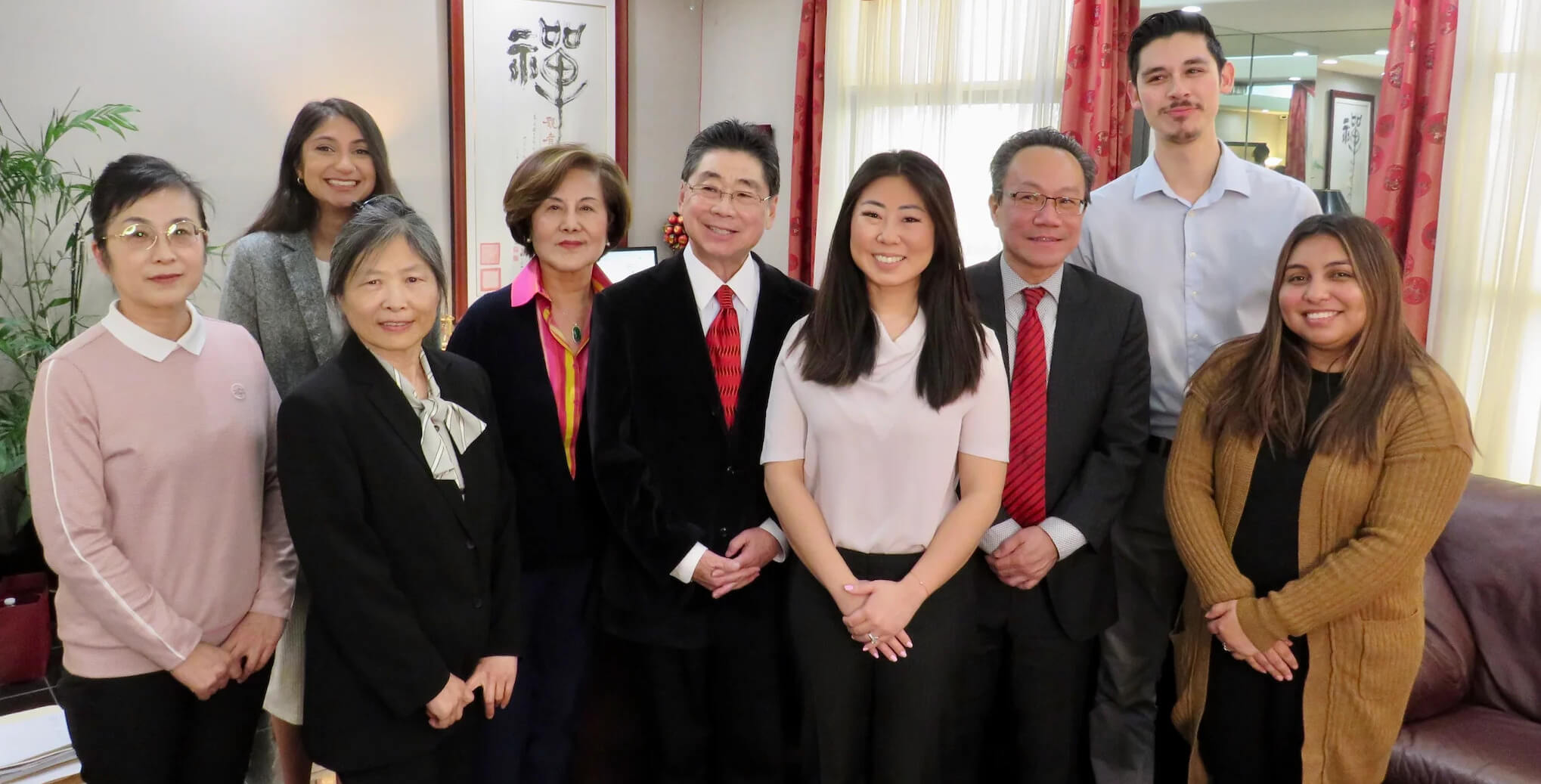
Why Choose Us?
-

Unmatched Expertise
Trust in Peter Chu's 75+ years of collective experience to guide you through complex immigration matters.
-

Tailored Solutions
Our personalized strategies adapt to your unique circumstances, ensuring we meet your specific immigration needs.
-

Proven Success
Benefit from our solid track record in achieving favorable outcomes in various immigration cases across San Diego.
-

Dedicated Service
Experience our client-first approach that ensures constant support and guidance throughout your immigration journey.


Get clear, expert legal guidance tailored to your visa, green card, or citizenship needs.

Inquire now to check if you qualify
Comparing Your Options for F-2A Visa Representation in Laguna Niguel
Permanent residents seeking to bring spouses and children to the U.S. under F-2A classification face three main options: self-filing the I-130 petition using USCIS instructions, hiring a visa processing service or notario, or retaining a licensed immigration attorney. Self-filing is the lowest-cost option upfront but carries significant risk. USCIS data shows that pro se (self-represented) family-based petitions have a 22% higher RFE (Request for Evidence) rate than attorney-filed cases, and RFE responses that fail to cure the deficiency result in petition denial with no refund of filing fees. Notarios and visa services often charge attorney-level fees without providing legal representation. They cannot appear at USCIS interviews, respond to legal objections, or file motions to reopen denied cases, leaving families without recourse when problems arise.
Here's the honest answer: F-2A cases involve two distinct failure points that self-filing and non-attorney services handle poorly. The first is priority date aging-out for children. CSPA calculations require legal interpretation of USCIS processing timelines and strategic timing of visa availability responses that notarios are not trained to perform. The second is the unlawful presence bar triggered by consular processing for beneficiaries who overstayed prior U.S. visits. Identifying waiver eligibility before the consular interview, not after the visa denial, is the difference between a 3-month process and a 2-year family separation. The Law Office of Peter Darwin Chu provides licensed representation from I-130 filing through green card issuance, including NVC document management, consular interview preparation, and I-601A waiver filing when unlawful presence issues arise.
| Option | Upfront Cost | RFE Risk | Unlawful Presence Waiver Support | Professional Assessment |
|---|---|---|---|---|
| Self-Filing | Lowest (filing fees only) | High (22% above attorney-filed average) | None. Family discovers bar only at consular interview | Viable only for straightforward cases with no prior U.S. overstays, no CSPA aging-out risk, and no income deficiency requiring co-sponsors |
| Notario/Visa Service | Medium to high | Medium (form completion but no legal review) | None. Cannot provide legal advice or file waivers | Expensive for what you receive. No legal protection when USCIS raises objections or consular officers identify inadmissibility |
| Licensed Immigration Attorney (Law Office of Peter Darwin Chu) | Transparent flat-fee structure | Lowest (proactive RFE prevention) | Full I-601A waiver representation and consular follow-up | Only option that provides representation through the complete process. From petition filing to green card in hand. With accountability to State Bar ethical rules |
Frequently Asked Questions
Find answers to common questions about our services
-
F-2A processing time depends on two factors: USCIS approval of the I-130 petition (currently 12–18 months) and visa bulletin priority date wait time (currently 18–36 months for most countries, longer for applicants from Mexico, Philippines, India, and Chi
-
The petitioner must provide a copy of their green card (front and back), proof of lawful permanent resident status if the green card is expired or lost, and evidence of the marriage relationship. Typically the marriage certificate issued by the civil regi
-
If your spouse is adjusting status in the U.S. (Form I-485), they can apply for work authorization (EAD) concurrently with the adjustment application. Employment authorization typically arrives within 4–7 months and remains valid through green card approv
-
F-2A is for spouses of lawful permanent residents (green card holders) and is subject to annual visa quota limits. Meaning beneficiaries wait until their priority date becomes current under the monthly visa bulletin before interview scheduling. IR-1 is fo
-
If USCIS denies an F-2A petition, you have two options: file a motion to reopen or reconsider within 30 days if you believe USCIS made a legal or factual error, or file a new I-130 petition with corrected evidence addressing the denial reasons. Denials mo
-
Yes. A permanent resident can petition for stepchildren as F-2A derivatives if the marriage to the children's parent occurred before the children turned 18 years old. Each stepchild requires proof of the parent-child relationship (birth certificate listin
-
The permanent resident petitioner must submit Form I-864 Affidavit of Support demonstrating household income at or above 125% of the federal poverty guideline for their household size. For a household of two (petitioner and spouse) in 2026, the minimum in
-
A spouse who overstayed a prior U.S. visa by more than 180 days triggers the unlawful presence bar under INA § 212(a)(9)(B). 3 years for 180–364 days of overstay, 10 years for 365+ days. This bar is not waivable until your spouse departs the U.S. for cons
Need Personalized Immigration Guidance?

