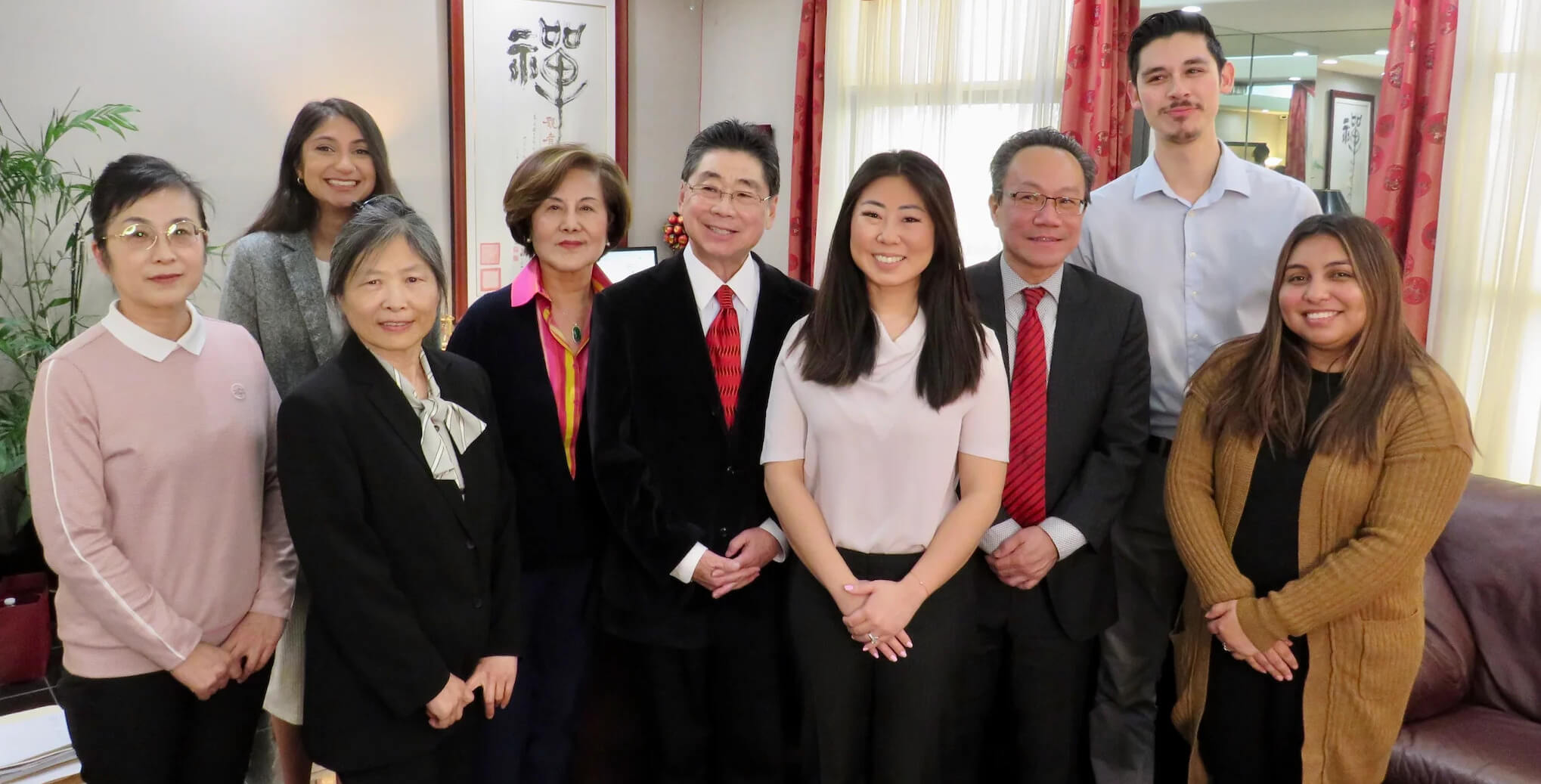

Why Choose Us?

  • Unmatched Expertise

    Trust in Peter Chu's 75+ years of collective experience to guide you through complex immigration matters.

  • Tailored Solutions

    Our personalized strategies adapt to your unique circumstances, ensuring we meet your specific immigration needs.

  • Proven Success

    Benefit from our solid track record in achieving favorable outcomes in various immigration cases across San Diego.

  • Dedicated Service

    Experience our client-first approach that ensures constant support and guidance throughout your immigration journey.

Minneapolis processes over 3,200 family-based immigration petitions annually through USCIS's Minneapolis field office, making it one of the Midwest's highest-volume venues for F-2A spouse and child reunification cases. For lawful permanent residents across Uptown, Northeast, and Downtown Minneapolis, MN, securing derivative status for a spouse or unmarried child under 21 hinges on proper I-130 petition filing, priority date preservation, and consular processing coordination. The Law Office of Peter Darwin Chu represents Minneapolis families navigating F-2A visa timelines, USCIS interview preparation, and status adjustment procedures under current preference category backlogs.

Book a Consultation

The Law Office of Peter Darwin Chu is a Minnesota-licensed immigration law firm serving Minneapolis residents with F-2A lawyer Minneapolis representation for spouses and children of lawful permanent residents seeking family reunification through derivative beneficiary petitions. We provide consultation, I-130 filing, priority date tracking, and consular processing support with same-week case evaluations available.

F-2A Lawyer Minneapolis Available Across Minneapolis and Surrounding Areas

The Law Office of Peter Darwin Chu represents clients throughout Minneapolis and Hennepin County — including Uptown, Northeast Minneapolis, Downtown, North Loop, and Longfellow (zip codes 55400, 55401, 55402, 55403, and 55404). All Minnesota residents with qualifying F-2A family reunification petitions are eligible for representation regardless of county, with Minneapolis field office interview preparation included for cases processed through the local USCIS office.

What Minneapolis F-2A Petitioners Can Access

I-130 Petition for Alien Relative Filing

The foundational step in F-2A immigration: filing Form I-130 to establish the qualifying relationship between the lawful permanent resident petitioner and the derivative spouse or unmarried child under 21. Minneapolis cases filed in 2026 face processing times averaging 14–18 months at USCIS Nebraska Service Center, though premium processing is not available for family-based petitions. We prepare complete evidentiary packets including marriage certificates authenticated under Minnesota Statutes Section 518.055, birth certificates with certified English translations, and financial support documentation demonstrating the petitioner's ability to meet 125% of federal poverty guidelines under Form I-864 requirements. Every F-2A case requires proving the petitioner's lawful permanent resident status through unexpired Green Card submission and establishing the derivative beneficiary's eligibility at the time of petition approval — not filing.

Priority Date Preservation and Visa Bulletin Monitoring

F-2A cases are subject to preference category limitations under the Immigration and Nationality Act Section 203(a)(2)(A), meaning visa availability depends on the petitioner's priority date (the date USCIS receives the I-130) and monthly Visa Bulletin cutoff dates published by the Department of State. Minneapolis petitioners filing in 2026 face current wait times of 24–36 months between I-130 approval and visa number availability, though this timeline fluctuates based on per-country limits for beneficiaries from oversubscribed countries including Mexico, Philippines, India, and China. We monitor Visa Bulletin updates, advise clients when their priority date becomes current, and coordinate National Visa Center document submission to avoid processing delays that reset the timeline. Filing errors or missing civil documents during the NVC stage routinely add 6–12 months to case resolution.

Consular Processing and Adjustment of Status Guidance

Once the priority date becomes current, F-2A beneficiaries abroad proceed through consular processing at U.S. embassies, requiring DS-260 online application, medical examination by panel physicians, and in-person visa interview. Minneapolis petitioners with beneficiaries already present in the U.S. in valid nonimmigrant status may pursue adjustment of status through Form I-485 filed with USCIS, avoiding international travel and consular interview requirements. Adjustment applicants become eligible for employment authorization (Form I-765) and advance parole travel permission (Form I-131) within 90–120 days of filing, though F-2A cases filed in Minneapolis currently face 18–24 month adjustment processing times at the local field office. We prepare clients for USCIS marriage fraud interviews under Immigration and Nationality Act Section 216, which presume fraudulent intent in marriages less than two years old at the time of Green Card issuance and require joint petition filing to remove conditional status.

Get clear, expert legal guidance tailored to your visa, green card, or citizenship needs.

Minneapolis Immigration Law Practice Standards

The Law Office of Peter Darwin Chu maintains all required Minnesota state and local licenses and adheres to American Immigration Lawyers Association (AILA) professional standards for client representation, including written fee agreements disclosing scope of services and costs as required under Minnesota Rules of Professional Conduct Rule 1.5. We maintain attorney-client privilege protections under Minnesota Statutes Section 481.02 and carry professional liability coverage meeting Minnesota continuing legal education requirements. All F-2A petitions are prepared under direct attorney supervision with quality review before USCIS submission, reducing the risk of Requests for Evidence (RFEs) that delay case adjudication by an average of 4–6 months according to USCIS processing data.

Inquire now to check if you qualify

What If My Spouse Turns 21 Before the F-2A Priority Date Becomes Current in Minneapolis?

If the derivative child beneficiary turns 21 before a visa number becomes available, they 'age out' of F-2A eligibility and automatically convert to F-2B preference (unmarried sons and daughters of permanent residents), which currently has a 7–10 year longer wait time. The Child Status Protection Act (CSPA) provides limited relief by allowing beneficiaries to subtract the I-130 processing time from their age calculation, but this protection does not apply if the beneficiary fails to seek immigrant visa issuance or adjustment of status within one year of visa availability. Minneapolis petitioners should file I-130 petitions as early as possible to maximize CSPA protection and consult an F-2A lawyer Minneapolis immediately if the child approaches age 21 during the waiting period.

What If I Become a U.S. Citizen While My F-2A Petition Is Pending in Minneapolis?

Naturalization to U.S. citizenship automatically upgrades your pending F-2A petition to the immediate relative category (IR-1 for spouse, IR-2 for child), which has no quota or waiting period and processes significantly faster. You must file Form I-824 to request USCIS upgrade your approved I-130 petition or request automatic conversion if the petition is still pending. Minneapolis petitioners who naturalize should immediately notify USCIS and the National Visa Center to expedite visa number availability, as immediate relative cases typically process within 12–18 months from filing to Green Card issuance compared to 24–36 months for F-2A cases.

What If My F-2A Beneficiary Entered the U.S. Without Inspection Before Our Marriage?

Beneficiaries who entered without inspection (EWI) are ineligible for adjustment of status in Minneapolis even if married to a lawful permanent resident, because adjustment requires either inspection and admission or paroled entry. These beneficiaries must depart the U.S. and complete consular processing abroad, triggering 3-year or 10-year unlawful presence bars under Immigration and Nationality Act Section 212(a)(9)(B) if they accumulated more than 180 or 365 days of unlawful presence. The only pathway is obtaining an I-601A provisional waiver before departing, which requires proving extreme hardship to a U.S. citizen or lawful permanent resident qualifying relative — a complex standard that most F-2A cases struggle to meet without substantial medical, financial, or family separation evidence.

What If USCIS Issues a Request for Evidence on My Minneapolis F-2A Petition?

Requests for Evidence (RFEs) add 60–90 days to case processing and require comprehensive response within the deadline stated in the notice, typically 30–87 days. Common F-2A RFEs in Minneapolis cases involve insufficient evidence of bona fide marriage (joint financial accounts, joint lease, shared utility bills), missing civil documents (foreign birth certificates without certified translations), or inadequate Form I-864 financial support documentation. Failure to respond fully and on time results in petition denial without further notice. An experienced f-2a lawyer minneapolis prepares RFE responses with organized exhibits, legal memoranda addressing USCIS concerns, and supplemental affidavits to cure deficiencies without requiring refiling.

Choosing Professional F-2A Representation vs. DIY Filing in Minneapolis

Lawful permanent residents pursuing F-2A sponsorship face three primary options: self-filing through USCIS online portals, using visa processing services that prepare forms without legal advice, or retaining licensed immigration counsel. Here's the honest answer: USCIS does not provide legal advice, and form completion services are prohibited under federal law from giving guidance on eligibility, strategy, or waiver options — they can only transcribe information you provide. The cost difference is real but often misleading: a $500 form service may appear cheaper than attorney representation until an RFE, denial, or priority date miscalculation adds 12–24 months and requires refiling.

FactorSelf-FilingForm ServicesLicensed F-2A Attorney
I-130 PreparationUSCIS instructions onlyForm completion, no legal analysisLegal strategy, evidence packaging, RFE prevention
Priority Date MonitoringManual Visa Bulletin trackingNone — client responsibilityProactive alerts, NVC coordination, timeline management
RFE ResponseDIY or pay separatelyNot included — client handlesIncluded in representation, legal memoranda prepared
Professional AssessmentHigh risk of procedural errors that cause denial or delayNo legal protection if issues ariseDirect attorney supervision, malpractice coverage, bar accountability

Get in touch

Frequently Asked Questions

Find answers to common questions about our services

  • F-2A cases filed in Minneapolis in 2026 face I-130 processing times of 14–18 months at USCIS Nebraska Service Center, followed by 24–36 months of visa number waiting under current Visa Bulletin backlogs for most countries of chargeability. Total timeline

  • Spouses pursuing adjustment of status in Minneapolis become eligible for employment authorization (Form I-765) approximately 90–120 days after filing Form I-485, allowing lawful work under an Employment Authorization Document (EAD) valid for 1–2 years and

  • Minneapolis F-2A petitions require: your unexpired Green Card (front and back copies), marriage certificate issued by the county or state where you married with certified English translation if issued abroad, birth certificates for all derivative child be

  • USCIS permits self-filing, but F-2A cases involve complex eligibility rules, documentary evidence standards, and priority date timing that self-filers frequently misunderstand. Common errors include filing I-130 before obtaining lawful permanent resident

  • F-2A is a preference category for spouses and unmarried children under 21 of lawful permanent residents, subject to annual quota limits and multi-year wait times. Immediate relative petitions (IR-1 for spouse, IR-2 for child) are available only to U.S. ci

  • Children in the U.S. in valid nonimmigrant status (such as F-2, H-4, or L-2 dependent visas) may attend school under the terms of that status while the F-2A petition is pending. Children who filed for adjustment of status in Minneapolis and received work/

  • Denied I-130 petitions may be appealed to the USCIS Administrative Appeals Office within 30 days of the denial notice, or the petitioner may file a new I-130 with corrected evidence addressing the denial reasons. Common denial grounds include failure to p

  • F-2A representation fees in Minneapolis typically range from $2,500 to $5,000 depending on case complexity, whether adjustment of status or consular processing is required, and whether the case involves prior immigration violations requiring waivers. This

Need Personalized Immigration Guidance?

The Law Office of Peter Darwin Chu provides f-2a lawyer minneapolis representation for Minneapolis lawful permanent residents sponsoring spouses and children under 21, offering I-130 petition filing, priority date tracking, consular processing coordination, and USCIS interview preparation with consultation available same week.

Related Immigration Services in Minneapolis and Beyond

Lawful permanent residents navigating family reunification may also benefit from our IR-2 Visa guidance for immediate relative child cases, Immigrant Visas overview covering all preference categories, and Citizenship naturalization services that can upgrade pending F-2A petitions to immediate relative status. Minneapolis clients with employment-based cases may explore our EB-2 Visa and EB-3 Visa practice areas. For nonimmigrant visa holders maintaining status during family petition processing, see our H-1B Visa and L-1A Visa resources. Additional location-based services include O-1 Visa Lawyer San Diego, Expert H-1 Visa Lawyer San Diego, and E-1 Visa Lawyer San Diego.

Speak With Us Today