
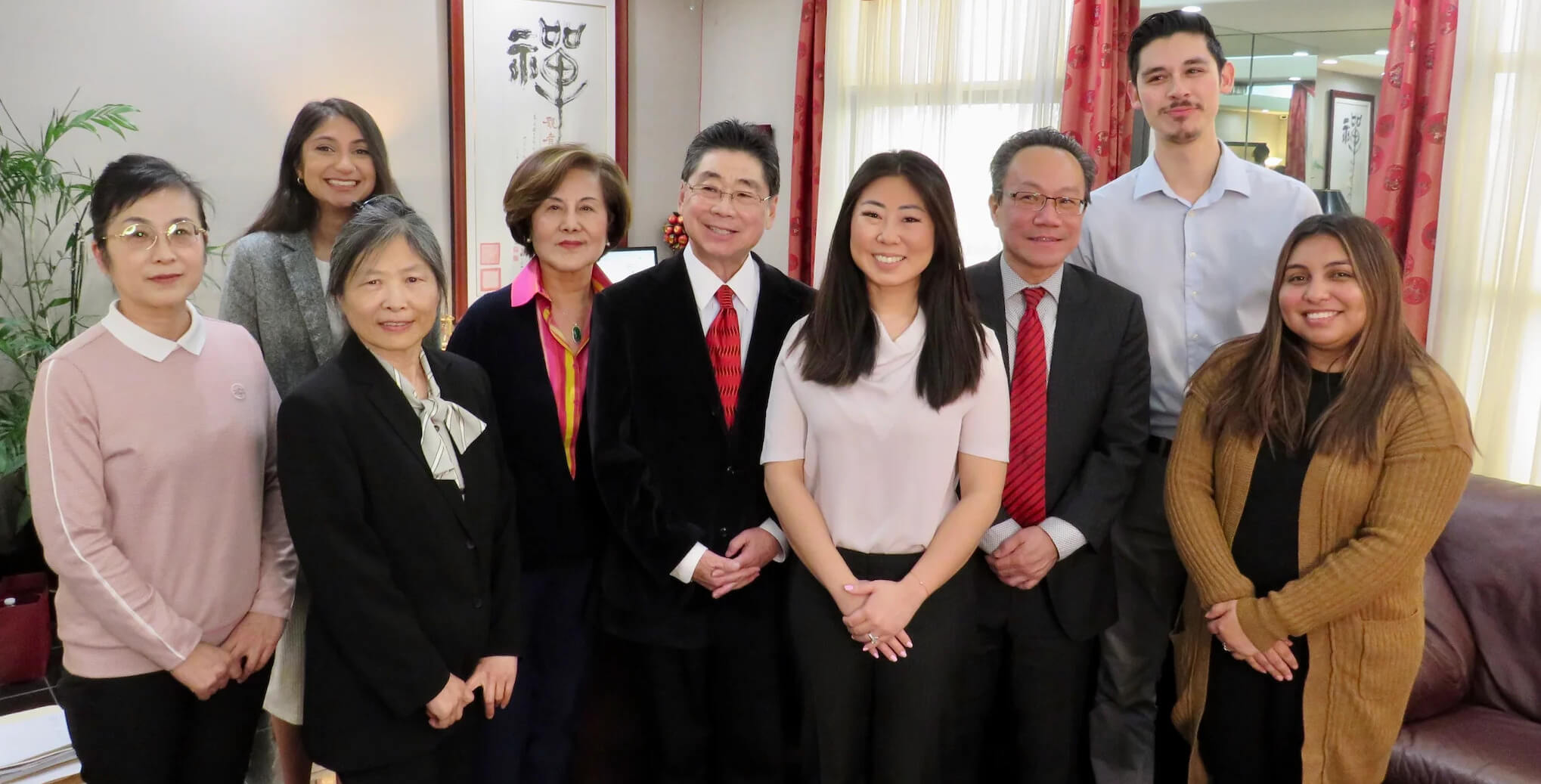
Why Choose Us?
-

Unmatched Expertise
Trust in Peter Chu's 75+ years of collective experience to guide you through complex immigration matters.
-

Tailored Solutions
Our personalized strategies adapt to your unique circumstances, ensuring we meet your specific immigration needs.
-

Proven Success
Benefit from our solid track record in achieving favorable outcomes in various immigration cases across San Diego.
-

Dedicated Service
Experience our client-first approach that ensures constant support and guidance throughout your immigration journey.


Get clear, expert legal guidance tailored to your visa, green card, or citizenship needs.

Inquire now to check if you qualify
Choosing F-2A Immigration Counsel vs. DIY Filing or Notario Services in Stanton
Stanton families pursuing F-2A visas face three common paths: self-filing using USCIS forms and instructions, hiring unlicensed notario services that advertise immigration help, or retaining a licensed immigration attorney. Self-filing is the lowest upfront cost but carries the highest risk of procedural errors. Incomplete I-130 petitions, missing required evidence, or incorrect fee payments that result in rejection and lost filing fees. Notario services, common in West Texas border communities, are not attorneys and cannot provide legal advice or represent you before USCIS; many notarios prepare deficient petitions that lead to denials or requests for evidence that consume months of processing time.
Here's the honest answer: F-2A petitions involve relationship documentation standards that differ significantly from other visa categories, priority date mechanics that determine when cases move forward, and consular processing procedures that vary by embassy. A family member or friend who successfully obtained a different visa type cannot reliably guide your F-2A case because the evidentiary standards and procedural timelines are category-specific. Licensed immigration attorneys are bound by Texas bar ethics rules, carry malpractice insurance, and have legal recourse mechanisms if errors occur. Protections entirely absent from notario services.
| Filing Method | Upfront Cost | Error Risk | Professional Assessment |
|---|---|---|---|
| Self-filing with USCIS forms | $535 filing fee only | High. No legal review of relationship evidence or petition completeness | Appropriate only for applicants with legal research skills and time to study USCIS Policy Manual guidance |
| Notario or immigration consultant | $200–$800 service fee + filing fee | Very high. Unlicensed preparers cannot assess legal sufficiency | Not recommended. Notarios cannot provide legal advice and have no malpractice accountability |
| Licensed immigration attorney | $1,500–$3,500 + filing fee | Low. Attorney reviews all evidence and legal qualifications before filing | Best option for cases involving prior visa denials, criminal history, or complex relationship documentation |
| Law office of Peter Darwin Chu | Transparent flat-fee pricing + filing fee | Minimal. Individualized legal assessment and ongoing case monitoring | Combines licensed Texas attorney representation with West Texas accessibility and priority date tracking services |
Frequently Asked Questions
Find answers to common questions about our services
-
F-2A cases involve two sequential wait times: I-130 petition processing (currently 14–24 months at USCIS Texas Service Center) and priority date wait until a visa number becomes available (currently 12–36 months depending on country of chargeability and S
-
Stepchildren qualify as derivative beneficiaries on an F-2A petition only if the marriage creating the step-relationship occurred before the child turned 18. If you married your spouse after their child was already 18 or older, that stepchild cannot be in
-
USCIS requires evidence that your marriage is genuine and not entered solely for immigration benefits. Acceptable proof includes joint bank account statements, joint lease or mortgage documents, joint utility bills in both names, birth certificates of chi
-
Yes. As the petitioning permanent resident, you must demonstrate income at or above 125% of the federal poverty guideline for your household size by filing Form I-864 Affidavit of Support. For a two-person household in 2026, that threshold is approximatel
-
F-2A petition denials typically result from failure to establish the qualifying relationship, evidence of marriage fraud, or petitioner's loss of permanent resident status. If your I-130 is denied, you receive a written denial notice specifying the ground
-
As the petitioning permanent resident, you may travel internationally while the I-130 is pending, but extended absences (six months or longer) may raise questions about whether you have abandoned U.S. residence. Your spouse or child abroad is not affected
-
The K-3 visa was created to allow spouses of U.S. citizens to enter the United States while the immigrant visa petition was pending, but it is rarely used today because I-130 processing times have shortened. F-2A is for spouses of permanent residents, not
-
The Public Charge inadmissibility ground bars visa issuance to applicants likely to become primarily dependent on government benefits for subsistence. F-2A beneficiaries must demonstrate that they will not become a public charge, primarily through the pet
Need Personalized Immigration Guidance?

