
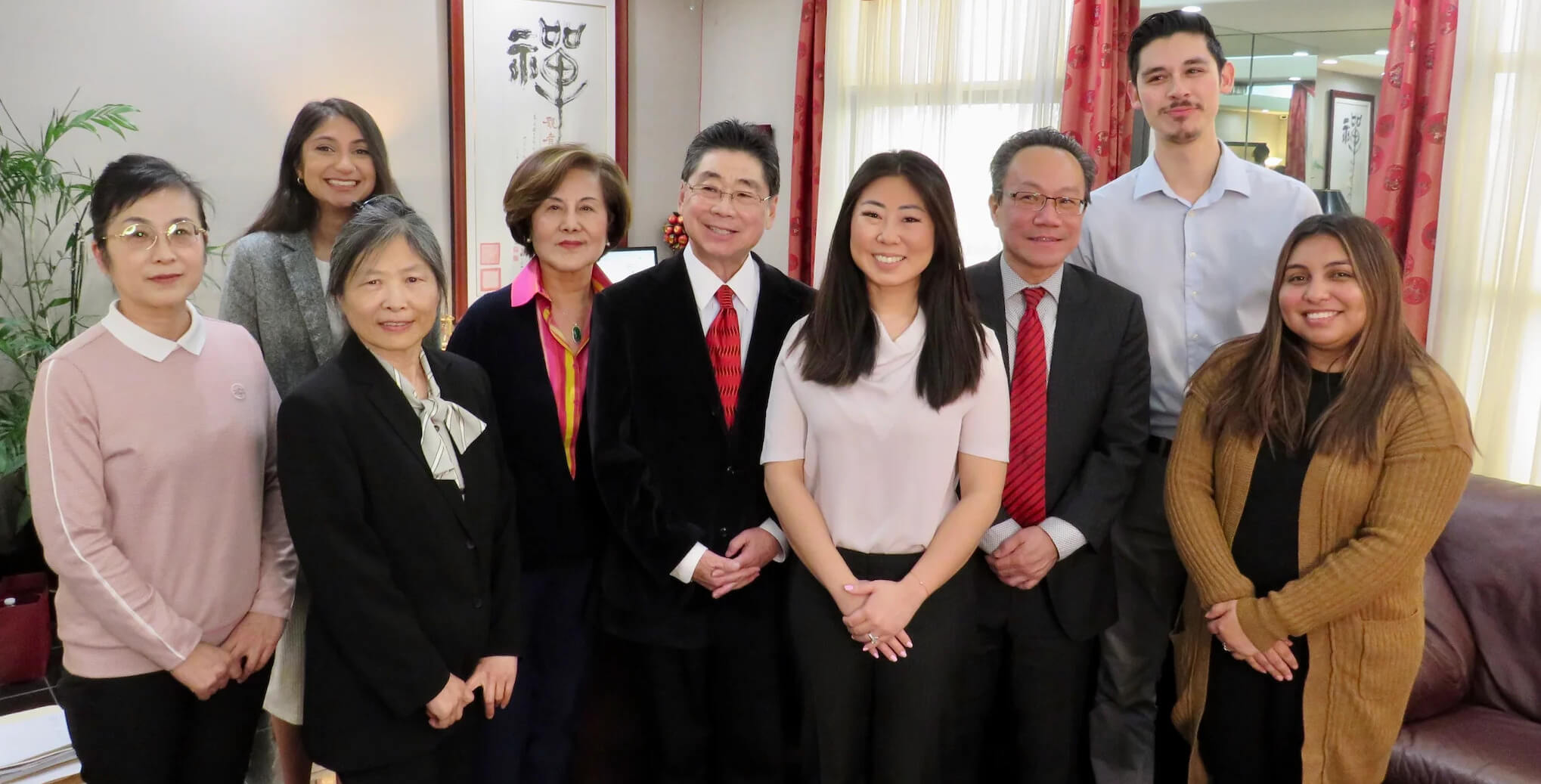
Why Choose Us?
-

Unmatched Expertise
Trust in Peter Chu's 75+ years of collective experience to guide you through complex immigration matters.
-

Tailored Solutions
Our personalized strategies adapt to your unique circumstances, ensuring we meet your specific immigration needs.
-

Proven Success
Benefit from our solid track record in achieving favorable outcomes in various immigration cases across San Diego.
-

Dedicated Service
Experience our client-first approach that ensures constant support and guidance throughout your immigration journey.


Get clear, expert legal guidance tailored to your visa, green card, or citizenship needs.

Inquire now to check if you qualify
Why Alhambra Employers and H-1B Beneficiaries Choose Specialized Immigration Counsel Over General Practice Attorneys
Alhambra employers sponsoring H-1B workers face a choice: retain an immigration-focused attorney with direct LCA and USCIS filing experience, or engage a general practice attorney who handles immigration matters alongside unrelated case types. The distinction matters because H-1B petitions are governed by layered regulatory frameworks — Department of Labor prevailing wage rules, USCIS specialty occupation standards, and INA provisions that change annually through policy memos and AAO precedent decisions.
Here's the honest answer: general practice attorneys often miss critical compliance deadlines — the 30-day LCA posting requirement at the worksite, the distinction between cap-subject and cap-exempt employers, and the amendment filing triggers that apply when job duties or work location change. These are not intuitive rules; they are learned through repetitive DOL and USCIS filing experience specific to H-1B cases. An immigration attorney who files 50+ H-1B petitions annually knows that a software engineer position requires a detailed technical duties breakdown citing specific programming languages and frameworks — not generic IT language — because USCIS applies heightened scrutiny to computer-related occupations under the 2017 Neufeld Memo rescission guidance.
| Consideration | General Practice Attorney | Immigration-Focused Firm | DIY Employer Filing | Professional Assessment |
|---|---|---|---|---|
| LCA Prevailing Wage Accuracy | Often uses outdated wage sources | Uses DOL FLC Data Center or OES survey data by SOC code and MSA | Frequently underpays required wage, triggering audit risk | Immigration-focused firms calculate prevailing wage using the correct DOL methodology — general practitioners often guess |
| Specialty Occupation Evidence | Generic job description, minimal supporting documentation | Detailed duties breakdown, expert opinion letters, industry standards documentation | Employer-drafted description lacks regulatory terminology | Specialty occupation petitions succeed or fail on evidentiary specificity — immigration attorneys know what USCIS requires |
| Amendment Filing Recognition | May not recognize material change triggers | Files amendments proactively when duties, location, or salary change | No awareness of amendment requirement until audit or site visit | Missing an amendment filing exposes employers to DOL penalties and USCIS revocation — immigration counsel prevents this |
| RFE Response Quality | Treats RFE as a brief, submits minimal additional evidence | Drafts comprehensive evidentiary response addressing each USCIS concern with expert support | Unable to respond — petition denied | RFE approval rates exceed 70% with attorney representation, compared to under 30% for pro se responses |
Frequently Asked Questions
Find answers to common questions about our services
-
H-1B petition processing timelines depend on whether the position is cap-subject or cap-exempt. Cap-subject petitions for new employment require employer registration in the annual lottery (typically March), with selected registrations eligible to file Fo
-
Attorney fees for H-1B petition preparation typically range from $3,000 to $6,000 depending on case complexity, whether the petition is initial or extension, and whether premium processing is requested. This fee is separate from USCIS filing fees ($460 ba
-
Yes — H-1B is a dual-intent visa classification under INA 214(b), meaning you can pursue permanent residence (green card) through employment-based or family-based petitions without jeopardizing your H-1B status. Most H-1B holders pursue EB-2 or EB-3 emplo
-
If USCIS denies your H-1B petition, you have several options depending on your current status. If you are in the U.S. on H-1B status and an extension is denied, you typically have a 60-day grace period or until your authorized stay expires (whichever is s
-
Employers are legally permitted to file H-1B petitions without attorney representation — USCIS accepts pro se filings. However, H-1B petitions have high RFE rates (approximately 40% of all filings) and denial rates exceeding 24% in recent years, primarily
-
Yes, but remote work triggers LCA and amendment filing requirements. The Labor Condition Application must list every worksite where the H-1B employee will spend time, and the prevailing wage must be calculated for the geographic area (Metropolitan Statist
-
Cap-subject H-1B positions are subject to the annual 85,000 visa limit (65,000 regular cap plus 20,000 advanced degree cap) and require lottery selection before filing. Cap-exempt positions are not subject to numerical limits and can be filed year-round —
-
The prevailing wage is the minimum salary an H-1B employer must pay, determined by the Department of Labor based on the job's occupational classification (SOC code), required experience level, and geographic area (Metropolitan Statistical Area). Alhambra
Need Personalized Immigration Guidance?

