
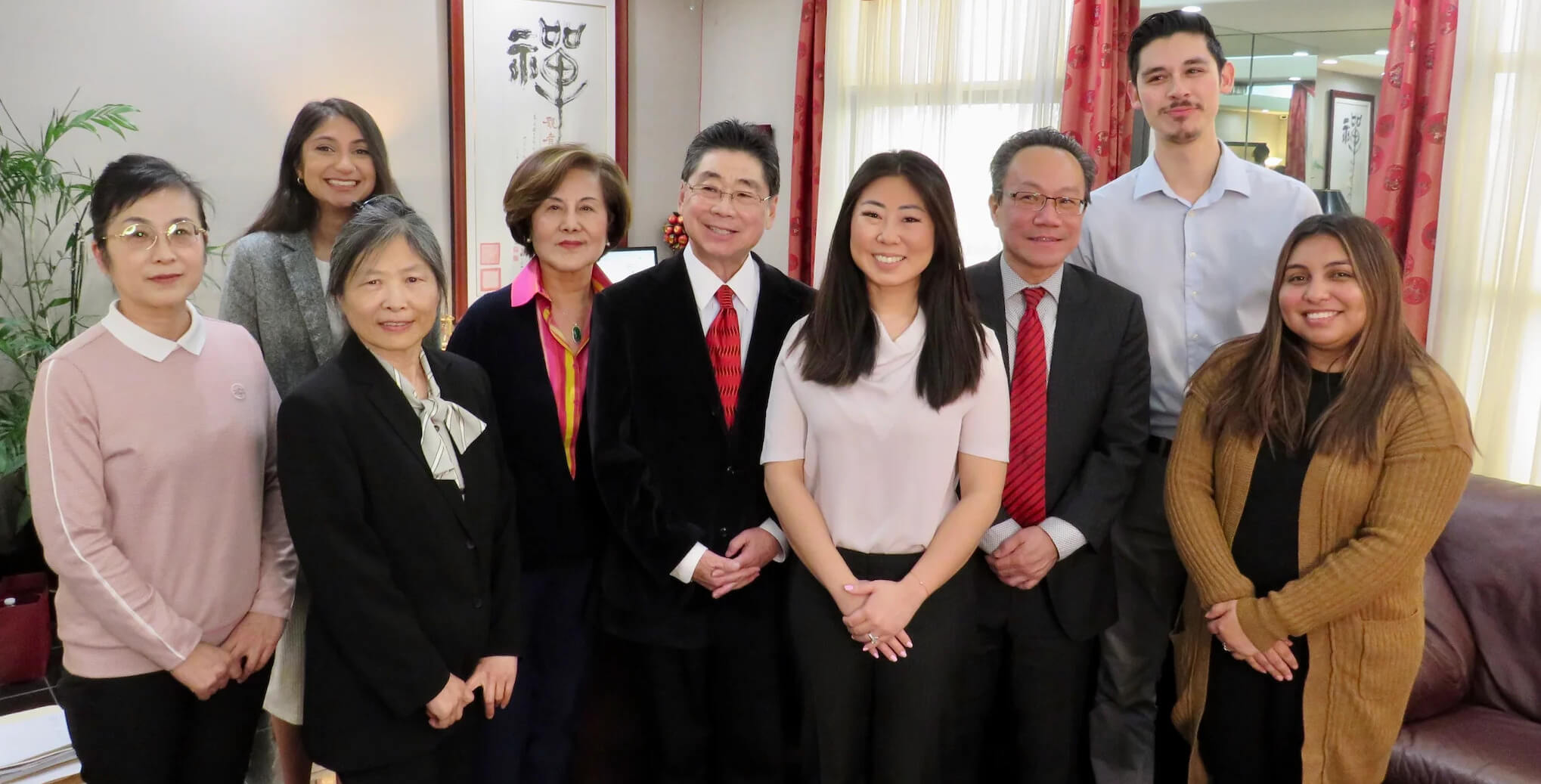
Why Choose Us?
-

Unmatched Expertise
Trust in Peter Chu's 75+ years of collective experience to guide you through complex immigration matters.
-

Tailored Solutions
Our personalized strategies adapt to your unique circumstances, ensuring we meet your specific immigration needs.
-

Proven Success
Benefit from our solid track record in achieving favorable outcomes in various immigration cases across San Diego.
-

Dedicated Service
Experience our client-first approach that ensures constant support and guidance throughout your immigration journey.


Get clear, expert legal guidance tailored to your visa, green card, or citizenship needs.

Inquire now to check if you qualify
Choosing an H-1B Attorney in Austin vs. Other Options
Austin employers and foreign nationals have several options for H-1B petition preparation: hiring a licensed immigration attorney, using a large-volume visa processing service, or attempting self-filing with USCIS forms. Each has trade-offs.
Here's the honest answer: large-volume immigration services often use paralegals or junior attorneys to prepare petitions using templated language, which works for straightforward cases but fails when USCIS issues an RFE challenging specialty occupation classification or beneficiary credentials. Self-filing is feasible for cap-exempt employers with in-house HR counsel, but pro se H-1B petitions have RFE rates exceeding 60% according to USCIS data — and most RFEs issued to unrepresented filers go unanswered because the petitioner doesn't understand what evidence USCIS is requesting. An experienced immigration attorney Austin provides case-specific strategy before filing, not after an RFE arrives.
| Option | Cost | RFE Response Quality | Professional Assessment |
|---|---|---|---|
| Licensed Immigration Attorney | $3,000–$6,000 per petition | Attorney-drafted, case-specific | Best for non-standard roles, startup employers, or cases with prior RFEs |
| High-Volume Visa Service | $1,500–$2,500 per petition | Template-based, limited customization | Works for straightforward cap-subject cases with established employers |
| Self-Filing (Pro Se) | Filing fees only (~$460–$2,500) | Often unanswered or inadequate | High risk — RFE rate exceeds 60%, approval rate under 40% |
| In-House Corporate Counsel | Included in employment | Varies by attorney experience | Viable only for large employers with dedicated immigration teams |
Frequently Asked Questions
Find answers to common questions about our services
-
The H-1B visa process timeline depends on whether the position is cap-subject or cap-exempt. Cap-subject petitions (filed during the annual lottery) require registration in March, with approvals typically issued between May and September for an October 1
-
The H-1B cap limits the number of new H-1B visas issued annually to 65,000 (general cap) plus 20,000 for beneficiaries with U.S. master's degrees or higher. Cap-subject petitions are entered into a lottery conducted by USCIS each spring. However, many Aus
-
Yes, you can work for multiple employers on H-1B status, but each employer must file a separate H-1B petition and obtain USCIS approval before you begin work for that employer. This is common among Austin professionals who consult part-time or hold concur
-
If your H-1B employment is terminated in Austin, you enter a 60-day grace period (or the remaining validity of your H-1B status, whichever is shorter) during which you can seek a new employer to file an H-1B transfer petition, change to another visa statu
-
H-1B attorney fees in Austin typically range from $3,000 to $6,000 per petition, depending on case complexity, whether premium processing is used, and whether the petition is an initial filing, extension, or RFE response. This fee is separate from USCIS f
-
The H-1B visa is designed for specialty occupation workers requiring a bachelor's degree or higher in a specific field. Other common work visas include the L-1A (intracompany transferee for managers/executives), L-1B (specialized knowledge workers), O-1 (
-
Your spouse can apply for work authorization in Austin if you hold H-1B status and have an approved I-140 immigrant petition (the second step in the employment-based green card process). This is known as H-4 EAD (Employment Authorization Document) and all
-
USCIS requires evidence that the position meets at least one of four criteria under 8 CFR 214.2(h)(4)(iii)(A): a bachelor's degree is normally required for the position, the degree requirement is common in the industry, the employer normally requires a de
Need Personalized Immigration Guidance?

