
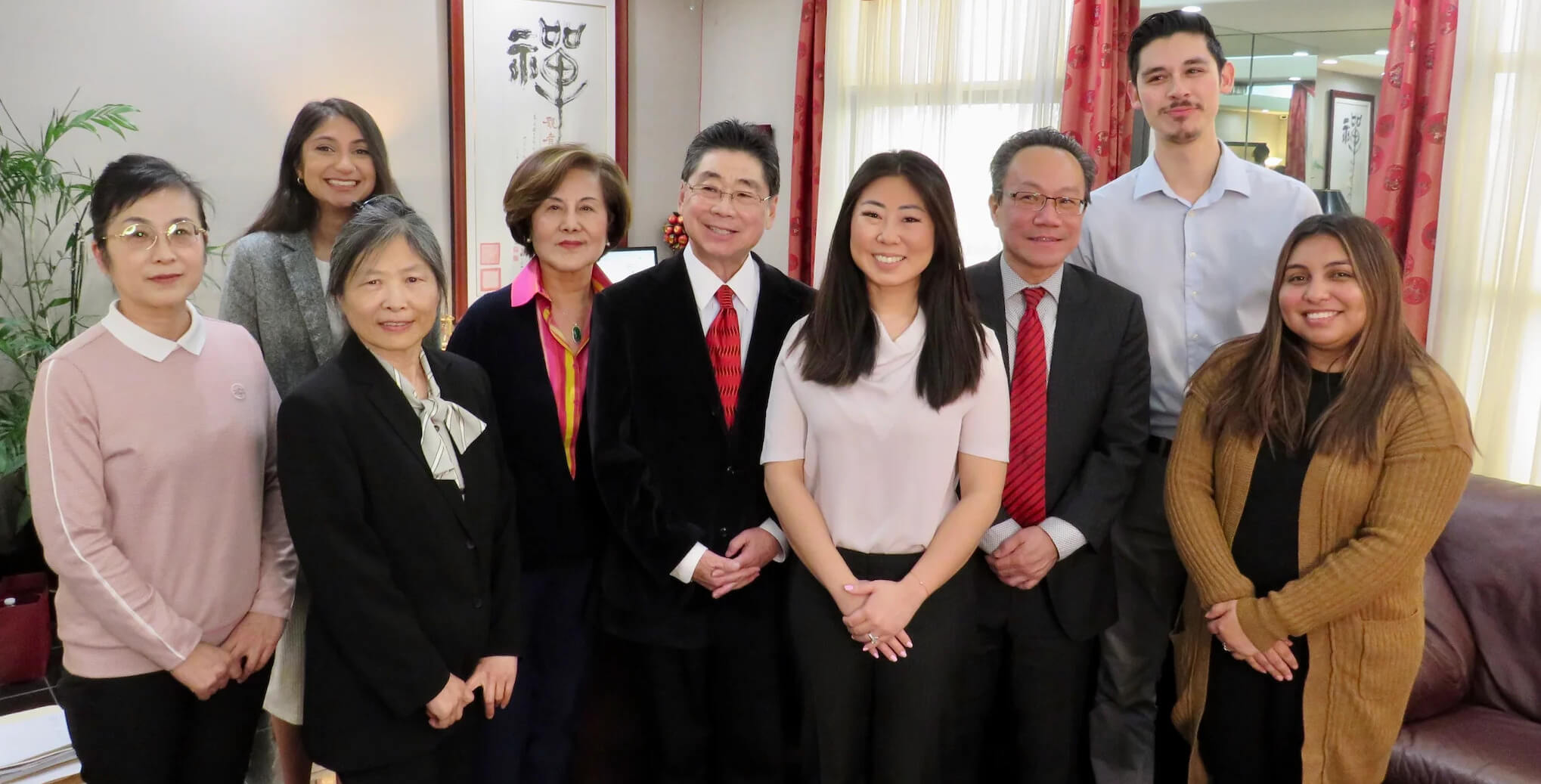
Why Choose Us?
-

Unmatched Expertise
Trust in Peter Chu's 75+ years of collective experience to guide you through complex immigration matters.
-

Tailored Solutions
Our personalized strategies adapt to your unique circumstances, ensuring we meet your specific immigration needs.
-

Proven Success
Benefit from our solid track record in achieving favorable outcomes in various immigration cases across San Diego.
-

Dedicated Service
Experience our client-first approach that ensures constant support and guidance throughout your immigration journey.


Get clear, expert legal guidance tailored to your visa, green card, or citizenship needs.

Inquire now to check if you qualify
Choosing Between Immigration Service Providers in Minneapolis
Minneapolis professionals seeking H-1B representation face three primary categories: solo immigration practitioners, large multi-practice law firms with immigration departments, and immigration-specific law offices. Solo practitioners offer lower fees but often lack capacity for rapid RFE response or concurrent case management during peak filing periods. Large firms provide institutional resources but typically assign H-1B cases to junior associates with limited specialty occupation case experience, creating inconsistency in petition quality. Immigration-specific counsel — Law office of Peter Darwin Chu's category — concentrates practice exclusively on immigration law, maintaining current knowledge of USCIS policy shifts, adjudication trends, and administrative appeal precedent that general practitioners encounter infrequently.
Here's the honest answer: the attorney who drafts your H-1B petition should be the same attorney who responds if USCIS issues an RFE — continuity of representation matters because RFE response strategy depends on understanding the original petition theory and the specific evidence already submitted. A handoff between attorneys mid-case introduces risk that the response will contradict or undermine the original filing.
| Provider Type | Case Volume | Attorney Continuity | Professional Assessment |
|---|---|---|---|
| Solo Practitioner | 20–40 H-1B cases/year | High — same attorney throughout | Best for straightforward cases; capacity constraints during peak filing |
| Large Firm Immigration Dept | 100–300 cases/year | Low — associate rotation common | Institutional resources; inconsistent case familiarity |
| Immigration-Specific Office | 60–120 cases/year | High — direct attorney involvement | Optimal balance of expertise, capacity, and continuity for complex petitions |
| Online Filing Services | 500+ cases/year | None — automated document prep | Cost-effective for cap-exempt renewals; high RFE rate on initial petitions |
Frequently Asked Questions
Find answers to common questions about our services
-
Standard H-1B processing through USCIS currently averages 3–6 months from petition filing to decision, depending on service center assignment and case complexity. Minneapolis employers can elect premium processing for an additional $2,805 fee (as of 2026)
-
H-1B attorney fees in Minneapolis typically range from $2,500 to $5,000 for initial petition preparation, depending on case complexity, whether the position requires substantial specialty occupation documentation, and whether the beneficiary's credentials
-
An H-1B worker cannot begin employment with a new employer until that employer files a new H-1B petition and the worker receives approval — however, H-1B portability rules under AC21 allow an H-1B worker to begin working for a new employer as soon as the
-
If USCIS denies an H-1B petition, the beneficiary cannot work in H-1B status for that employer and must either depart the United States, change to another valid nonimmigrant status, or have the employer file a motion to reopen or reconsider, or appeal the
-
H-1B petitions do not legally require attorney representation — employers can self-file using USCIS forms and instructions. However, self-filed H-1B petitions have measurably higher RFE rates and lower approval rates than attorney-prepared petitions, part
-
The H-1B visa itself does not provide a direct path to permanent residence, but H-1B status is dual-intent, meaning H-1B workers can simultaneously pursue green card sponsorship without jeopardizing H-1B status. Most H-1B workers pursue employment-based g
-
The four most common H-1B RFE categories are: specialty occupation determination challenges (USCIS questions whether the position normally requires a bachelor's degree in a specific field), beneficiary qualification deficiencies (degree field does not cle
-
The H-1B cap lottery applies to new H-1B petitions for beneficiaries who have not previously been counted against the cap — the annual cap is 65,000 regular cap positions plus 20,000 advanced degree cap positions reserved for U.S. master's or higher degre
Need Personalized Immigration Guidance?

