
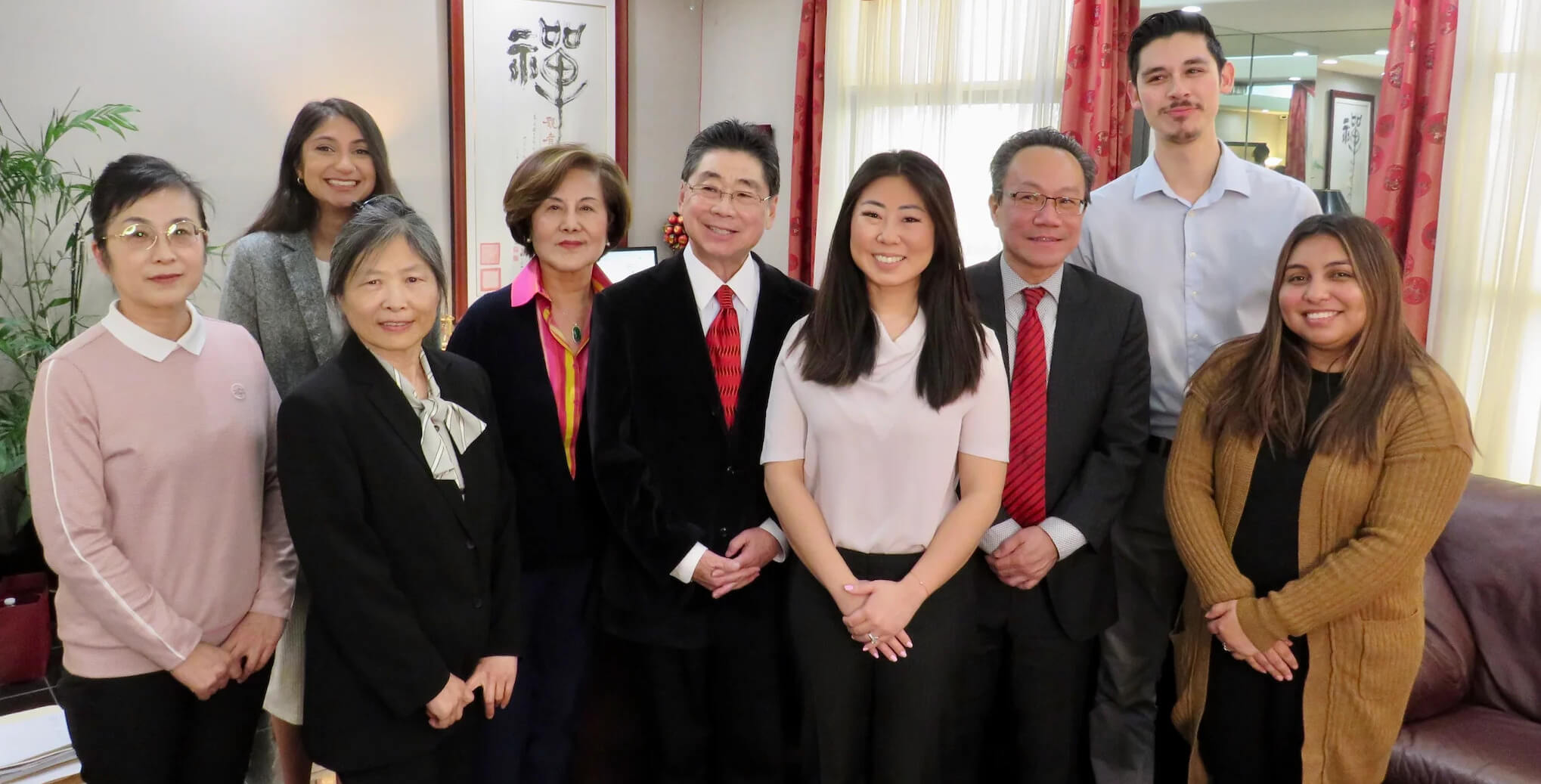
Why Choose Us?
-

Unmatched Expertise
Trust in Peter Chu's 75+ years of collective experience to guide you through complex immigration matters.
-

Tailored Solutions
Our personalized strategies adapt to your unique circumstances, ensuring we meet your specific immigration needs.
-

Proven Success
Benefit from our solid track record in achieving favorable outcomes in various immigration cases across San Diego.
-

Dedicated Service
Experience our client-first approach that ensures constant support and guidance throughout your immigration journey.


Get clear, expert legal guidance tailored to your visa, green card, or citizenship needs.

Inquire now to check if you qualify
Why Upland Employers and H-1B Workers Choose Law office of Peter Darwin Chu Over DIY Filing or General Practice Attorneys
Many Upland employers attempt to file H-1B petitions without counsel, relying on USCIS instructions and online templates. Others retain general business attorneys unfamiliar with immigration adjudication standards. Here's the honest answer: H-1B petitions are administratively complex and legally nuanced — a missing Labor Condition Application amendment, an incorrectly calculated prevailing wage, or a vague job duties letter triggers an RFE that delays approval by 3-6 months and often results in denial. USCIS denial rates for H-1B petitions rose to 24% in FY 2023 for first-time filers, compared to under 7% for petitions filed by experienced immigration counsel. The cost of an RFE response or denial appeal — ranging from $3,500 to $8,000 — exceeds the cost of proper preparation at the outset.
| Filing Approach | Prevailing Wage Compliance | Specialty Occupation Evidence | RFE Response Experience | Professional Assessment |
|---|---|---|---|
| DIY Employer Filing | Employer estimates wage level from DOL guidance | Generic job description with no case law support | No legal training or precedent knowledge | High denial risk — wage errors and weak evidence packages are the leading RFE triggers |
| General Practice Attorney | Limited familiarity with DOL wage database | Standard template letters without Defensor analysis | Limited immigration adjudication experience | Moderate risk — lacks immigration-specific expertise and USCIS trends |
| Experienced Immigration Counsel | Precise DOL OES wage determination with MSA adjustment | Custom evidence citing 8 CFR 214.2(h)(4)(iii)(A) + controlling AAO decisions | Direct USCIS RFE response experience across case types | Lowest denial risk — full compliance with wage, occupation, and evidentiary standards |
Frequently Asked Questions
Find answers to common questions about our services
-
Standard H-1B processing at USCIS California Service Center averages 2-4 months from filing to decision. Premium Processing Service (Form I-907) guarantees adjudication within 15 calendar days for an additional $2,805 fee, though USCIS may suspend premium
-
The H-1B cap limits new H-1B approvals to 65,000 annually, plus 20,000 for beneficiaries with U.S. master's degrees or higher. Cap registration occurs in March, with random lottery selection determining which petitions may be filed in April. Cap-exempt em
-
H-1B workers may work remotely, but the employer must file a new or amended Labor Condition Application for each work location where the employee will spend significant time. Under 20 CFR 655.730, the LCA must list all intended work locations and comply w
-
If USCIS denies your H-1B petition, you lose work authorization immediately unless you hold another valid status. You may file a motion to reopen or reconsider within 30 days if you believe USCIS made a factual or legal error, or you may file a new petiti
-
Attorney fees for H-1B petition preparation typically range from $2,500 to $5,000 depending on case complexity, whether the petition is initial or extension, and whether premium processing or RFE response is required. Government filing fees total $460 (ba
-
Yes, H-1B status is dual-intent, meaning you may pursue permanent residence (green card) while maintaining H-1B status without jeopardizing your visa. Many H-1B workers file EB-2 or EB-3 employment-based immigrant petitions while on H-1B, allowing them to
-
Employers must pay H-1B workers the higher of the actual wage paid to similarly employed workers or the prevailing wage for the occupation in the geographic area of employment. Prevailing wages are determined using the Department of Labor's Occupational E
-
H-1B classification requires a specialty occupation position and U.S. bachelor's degree (or equivalent), with no prior employment relationship required. L-1 classification requires the beneficiary to have worked for a qualifying related entity abroad for
Need Personalized Immigration Guidance?

