
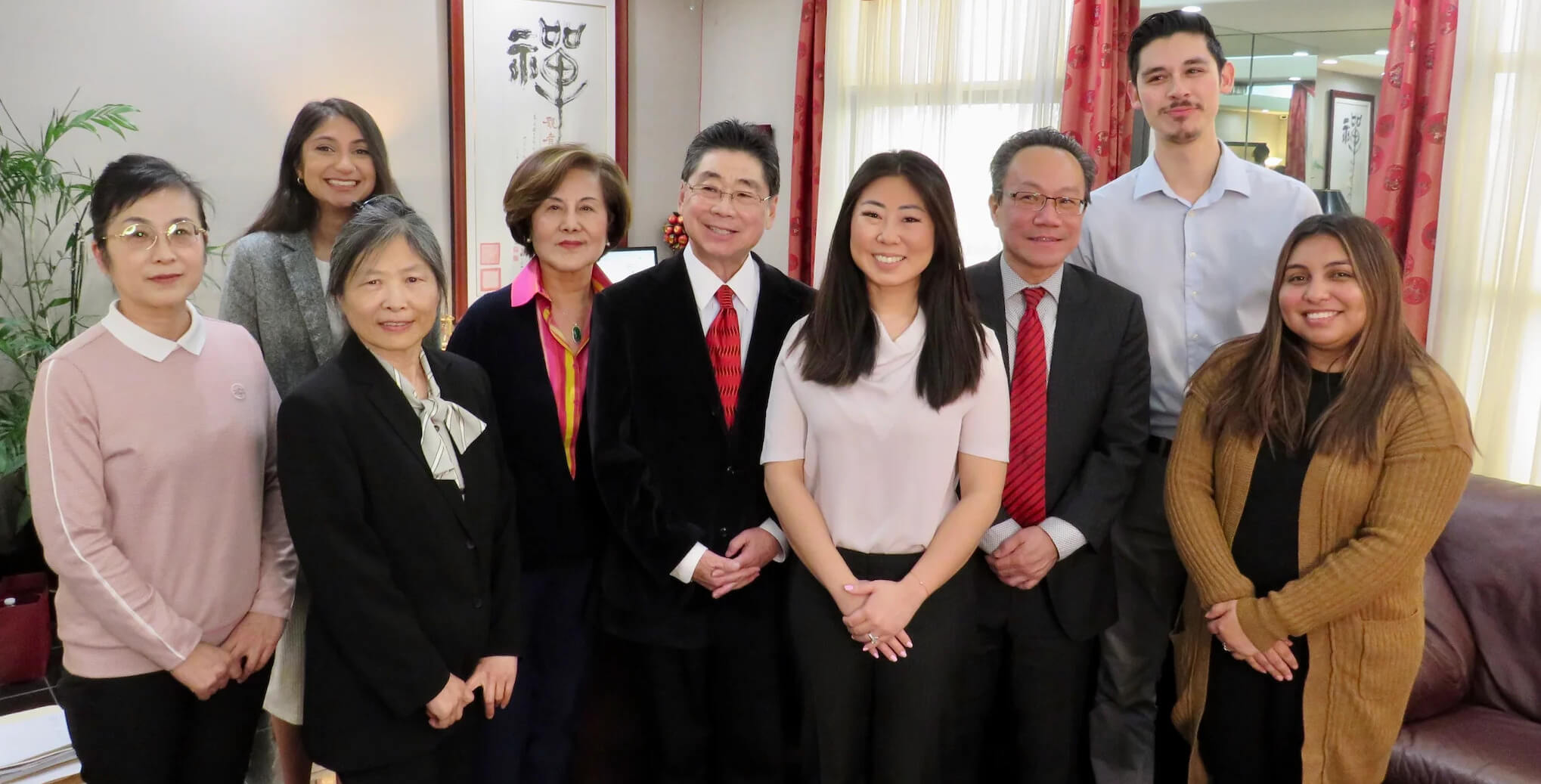
Why Choose Us?
-

Unmatched Expertise
Trust in Peter Chu's 75+ years of collective experience to guide you through complex immigration matters.
-

Tailored Solutions
Our personalized strategies adapt to your unique circumstances, ensuring we meet your specific immigration needs.
-

Proven Success
Benefit from our solid track record in achieving favorable outcomes in various immigration cases across San Diego.
-

Dedicated Service
Experience our client-first approach that ensures constant support and guidance throughout your immigration journey.


Get clear, expert legal guidance tailored to your visa, green card, or citizenship needs.

Inquire now to check if you qualify
Choosing Immigration Counsel for Campbell H-1B Matters—What Distinguishes Firms
Campbell employers evaluating H-1B representation encounter three categories: general business immigration practices handling employment visas as one service among many, high-volume petition mills processing hundreds of identical I-129 forms with minimal employer-specific customization, and focused employment immigration counsel who analyze each position's specialty occupation evidence and defend classifications in RFE proceedings.
Here's the honest answer: not every H-1B petition requires premium attorney representation—straightforward petitions for clearly degreed positions at established employers with clean compliance histories may proceed efficiently through experienced paralegals or legal document services. But petitions involving contractor placements, Level I prevailing wages, or positions where job duties span multiple occupational codes require counsel familiar with USCIS Technical Advisory precedent and Administrative Appeals Office decisions—because these cases face RFE rates exceeding 40% and demand strategic evidence presentation that generic petition templates cannot provide.
| Service Model | Typical Campbell Cost | RFE Response Capability | Professional Assessment |
|---|---|---|---|
| General Business Attorney | $4,000–$6,000 base | Refers complex RFEs to specialists | May lack current AAO precedent knowledge |
| High-Volume Petition Service | $2,500–$3,500 base | Template responses, limited customization | Efficient for standard cases only |
| Focused Immigration Counsel | $3,500–$5,500 base, $6,500+ RFE | Strategic evidence packages, AAO appeals | Appropriate for complex petitions |
| Law office of Peter Darwin Chu | Flat fee with cost disclosure | Direct RFE strategy, California Service Center experience | Specialized employment immigration focus |
Frequently Asked Questions
Find answers to common questions about our services
-
Standard processing at USCIS California Service Center currently averages 2-4 months for H-1B specialty occupation petitions, though processing times fluctuate based on case volume and RFE rates. Campbell employers may elect premium processing under 8 CFR
-
The H-1B program imposes an annual numerical limitation of 65,000 visas plus an additional 20,000 for beneficiaries holding U.S. master's degrees or higher under INA Section 214(g)(1)(A). Campbell employers filing cap-subject petitions must register elect
-
H-1B portability under INA Section 214(n) permits beneficiaries to commence employment with a new sponsoring employer as soon as that employer files a non-frivolous I-129 petition on their behalf—before USCIS approval. This provision allows Campbell H-1B
-
DOL's four-tier prevailing wage system under 20 CFR 656.40 classifies positions from Level I (entry-level) through Level IV (fully competent authority). Campbell technology employers frequently face USCIS scrutiny when filing Level I wages for positions r
-
USCIS adjudication standards apply uniformly nationwide, but Campbell petitions filed through California Service Center encounter regional processing patterns—including heightened scrutiny of software engineering specialty occupation classifications and t
-
H-1B portability allows employment to commence upon petition filing, but denial terminates work authorization immediately—requiring cessation of all employment and triggering the 60-day grace period under 8 CFR 214.1(l)(2). Campbell beneficiaries who work
-
H-1B classification explicitly permits dual intent under INA Section 214(b), meaning beneficiaries may pursue permanent residence (green card) through employment-based preference categories while maintaining H-1B status. Campbell technology employers typi
-
20 CFR 655.760 requires H-1B employers to maintain a public access file containing the certified LCA, wage determination documentation, employee notification memo, and actual wage system documentation—available for public inspection within one working day
Need Personalized Immigration Guidance?

