
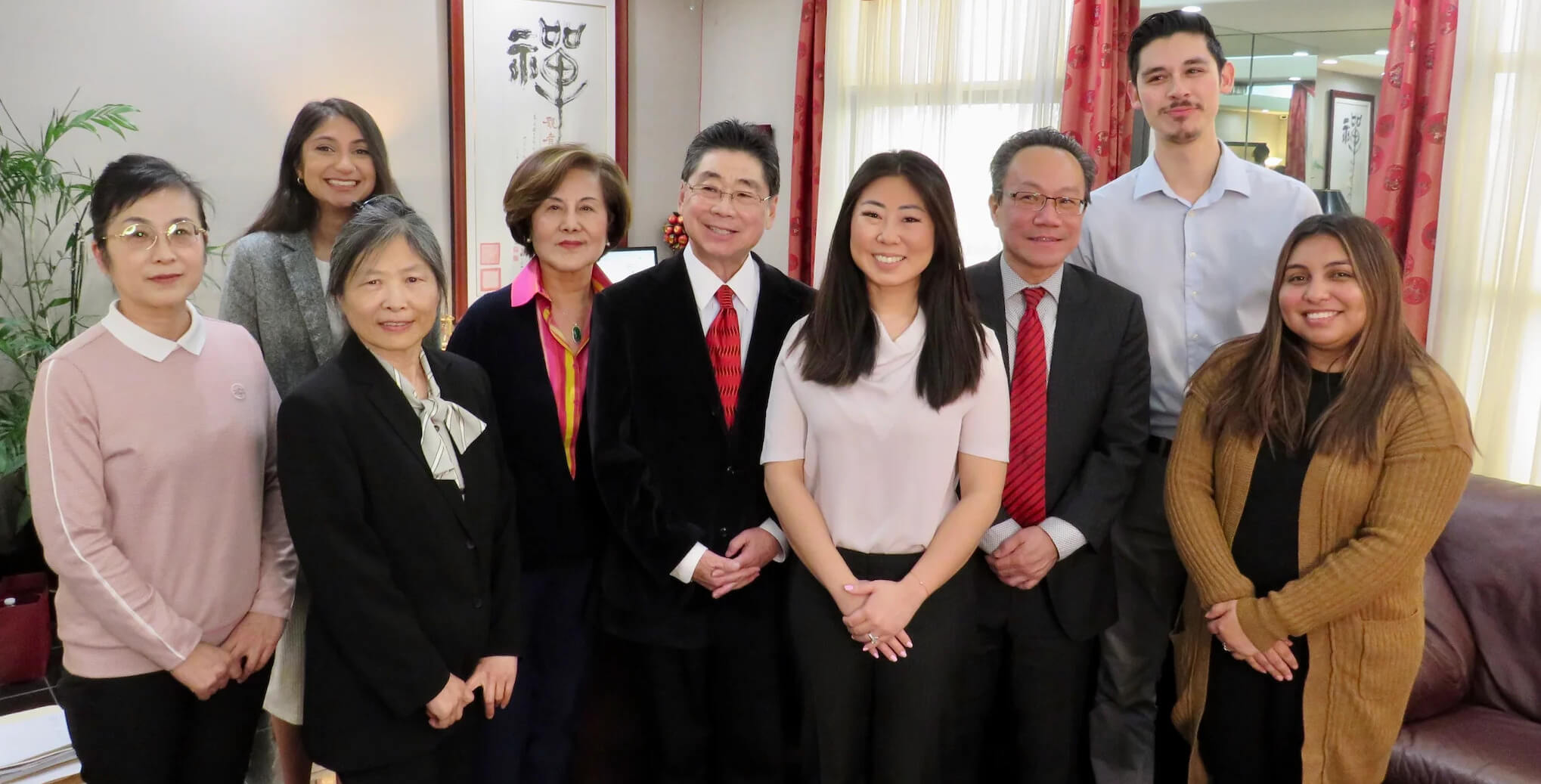
Why Choose Us?
-

Unmatched Expertise
Trust in Peter Chu's 75+ years of collective experience to guide you through complex immigration matters.
-

Tailored Solutions
Our personalized strategies adapt to your unique circumstances, ensuring we meet your specific immigration needs.
-

Proven Success
Benefit from our solid track record in achieving favorable outcomes in various immigration cases across San Diego.
-

Dedicated Service
Experience our client-first approach that ensures constant support and guidance throughout your immigration journey.


Get clear, expert legal guidance tailored to your visa, green card, or citizenship needs.

Inquire now to check if you qualify
Why Lakewood H-1B Applicants Choose Law Office of Peter Darwin Chu Over Other Options
Lakewood employers and H-1B beneficiaries typically choose between immigration law firms, general practice attorneys who handle occasional immigration matters, and online legal document services. Here's the honest answer: immigration law is a federal practice area governed by agency-specific regulations, adjudication manuals, and evolving case law that general practice attorneys rarely encounter. An attorney who handles real estate closings and estate planning may be licensed to file an H-1B petition, but they lack the familiarity with USCIS policy memos, AAO decisions, and DOL wage determination procedures that shape petition outcomes. Online document preparation services can generate forms but cannot provide legal advice, respond to Requests for Evidence, or represent you if the case is denied. Law office of Peter Darwin Chu focuses exclusively on employment-based immigration, meaning every H-1B petition benefits from attorneys who track regulatory changes, monitor precedent decisions, and understand how USCIS adjudicators evaluate specialty occupation evidence in 2026.
| Factor | General Practice Attorney | Online Document Service | Immigration-Focused Firm | Professional Assessment |
|---|---|---|---|---|
| H-1B Specialty Occupation Analysis | Limited—rarely encountered | None—form completion only | Deep—handled routinely | Specialty occupation classification is the most common basis for H-1B denials; expertise here is non-negotiable |
| RFE Response Experience | Minimal—unfamiliar with USCIS standards | Not available | Extensive—standard practice | RFE response quality determines approval rates; firms that rarely see RFEs cannot craft effective responses |
| DOL LCA Compliance Knowledge | Surface-level—statutory awareness | None—client responsibility | Detailed—wage rule tracking | LCA errors trigger investigations and can bar future H-1B filings; compliance requires active regulatory monitoring |
| Cost Structure | Hourly—unpredictable | Flat—lowest upfront | Flat or hybrid—mid-range | Hourly billing for complex cases can exceed $10,000; flat fees provide budget certainty and align attorney incentives with case success |
Frequently Asked Questions
Find answers to common questions about our services
-
Standard H-1B processing through USCIS currently averages 3 to 6 months from the date of filing, depending on service center workload and whether the petition is cap-subject or cap-exempt. Lakewood employers can request premium processing for an additiona
-
A specialty occupation under 8 CFR 214.2(h)(4)(iii)(A) requires theoretical and practical application of a body of highly specialized knowledge and attainment of a bachelor's degree or higher in the specific specialty as a minimum entry requirement. USCIS
-
Yes, but only if you have equivalent work experience that substitutes for the degree requirement under the 'three-for-one' rule: three years of specialized work experience equals one year of college education. This means 12 years of progressive, specializ
-
The prevailing wage is the average wage paid to similarly employed workers in the geographic area of intended employment, determined by the Department of Labor based on job title, duties, experience level, and location. Lakewood employers must pay H-1B wo
-
USCIS conducts an electronic registration lottery each March for cap-subject H-1B petitions, with employers paying a registration fee and submitting basic beneficiary information before learning if their registration is selected. The annual H-1B cap is 65
-
If USCIS denies your H-1B petition, you lose lawful status on the date of denial if you were maintaining H-1B status at the time, and you must depart the U.S. unless you have another valid status to fall back on (such as F-1 or a pending change of status
-
Yes, H-1B holders can travel internationally and reenter the U.S., but you must have a valid H-1B visa stamp in your passport (obtained at a U.S. consulate abroad), a valid unexpired I-797 approval notice, and a current employment relationship with your s
-
H-1B status is initially granted for up to three years and can be extended in three-year increments, with a maximum stay of six years. However, extensions beyond six years are available under American Competitiveness in the Twenty-First Century Act (AC21)
Need Personalized Immigration Guidance?

