
Why Choose Us?

  • Unmatched Expertise

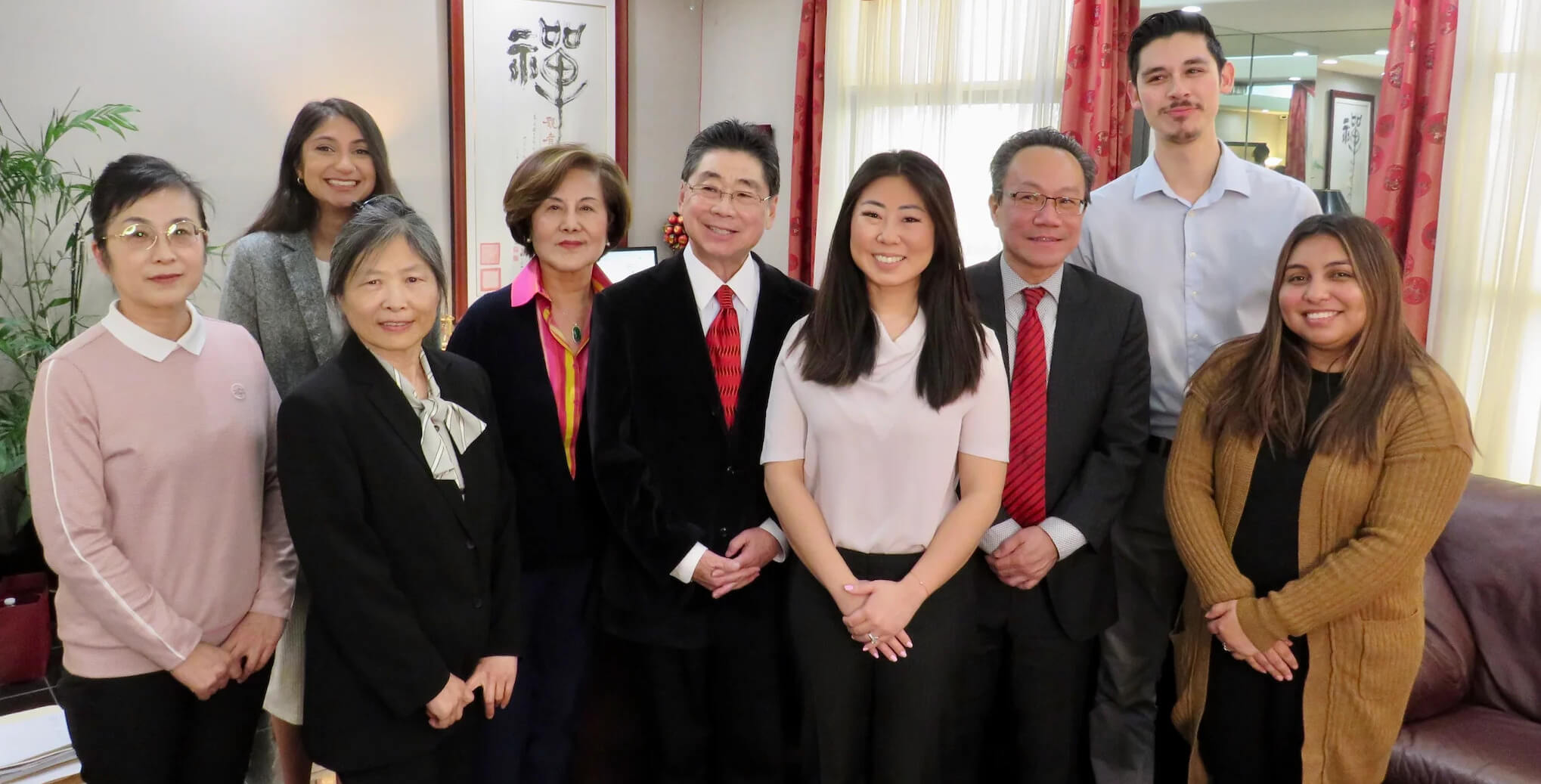
    Trust in Peter Chu's 75+ years of collective experience to guide you through complex immigration matters.

  • Tailored Solutions

    Our personalized strategies adapt to your unique circumstances, ensuring we meet your specific immigration needs.

  • Proven Success

    Benefit from our solid track record in achieving favorable outcomes in various immigration cases across San Diego.

  • Dedicated Service

    Experience our client-first approach that ensures constant support and guidance throughout your immigration journey.

Corona, CA processes over 2,800 immigrant visa applications annually through the San Bernardino County jurisdiction, making it one of the highest-volume family reunification corridors in Southern California. For Corona residents navigating IR-1 spouse visa petitions, the difference between approval and administrative processing often comes down to whether you submitted properly translated civil documents and met the I-864 affidavit of support income thresholds before the National Visa Center interview was scheduled. Law office of Peter Darwin Chu has represented Corona families through every stage of the IR-1 process since our founding, with direct experience in cases processed through both the Ciudad Juárez and Manila consular posts that serve the majority of Corona petitioners.

Book a Consultation

Law office of Peter Darwin Chu provides IR-1 attorney Corona services to Corona, CA residents—licensed California immigration counsel specializing in spouse visa petitions filed through USCIS Form I-130, National Visa Center document submission, and consular interview preparation. We serve clients across zip codes 91718, 91719, 91720, 92118, and 92178 with same-week case evaluations and flat-fee representation structures that eliminate surprise billing.

IR-1 Attorney Corona Available Across Corona and Surrounding Areas

Law office of Peter Darwin Chu represents IR-1 spouse visa petitioners throughout Corona, CA, including the Eagle Glen, Corona Hills, and South Corona neighborhoods—covering zip codes 91718, 91719, 91720, 92118, and 92178. All Corona residents with qualifying immediate relative petitions receive the same USCIS-compliant case preparation regardless of whether your beneficiary spouse resides abroad or is adjusting status domestically under INA Section 245(a).

What Corona Residents Can Access

IR-1 Spouse Visa Petition Filing

Complete preparation and submission of USCIS Form I-130 Petition for Alien Relative—the foundational document establishing your marriage validity and U.S. citizen petitioner eligibility. Corona cases filed in 2026 are currently averaging 12–16 months from filing to National Visa Center case number assignment, though USCIS processing times fluctuate by service center. Our flat-fee structure covers petition preparation, supporting evidence compilation (marriage certificate authentication, joint financial documentation, bona fide relationship proof), and USCIS correspondence management through approval.

National Visa Center Document Submission

Once USCIS approves your I-130, the case transfers to the National Visa Center for immigrant visa processing—requiring submission of civil documents (birth certificates, police clearances, marriage certificates) and the I-864 Affidavit of Support. Corona petitioners frequently encounter NVC rejections due to improperly translated documents or I-864 income shortfalls; we pre-audit every document package before submission to eliminate the 60–90 day delay a rejection causes. This phase includes DS-260 Immigrant Visa Application completion and consular interview scheduling.

Consular Interview Preparation

Your beneficiary spouse will attend an in-person interview at the U.S. consulate in their home country—the final adjudication step before visa issuance. We provide country-specific consular interview preparation, including common questioning patterns at high-volume posts (Ciudad Juárez, Manila, Santo Domingo), required original document checklists, and medical examination coordination with panel physicians. Corona clients receive a pre-interview consultation covering admissibility concerns, including any prior immigration violations that may trigger I-601 waiver requirements.

Get in touch

Get clear, expert legal guidance tailored to your visa, green card, or citizenship needs.

Licensed Immigration Representation Corona Can Rely On

Law office of Peter Darwin Chu maintains all required California State Bar licenses and adheres to American Immigration Lawyers Association (AILA) professional standards for ethical representation. Every IR-1 case is handled by California-licensed counsel—not paralegals or unregulated consultants—ensuring compliance with 8 CFR 292.1 authorized representation requirements. Our Corona IR-1 practice includes malpractice insurance coverage and adherence to California Business and Professions Code Section 6125 unauthorized practice prohibitions, providing institutional accountability that notarios and visa mills cannot offer.

Inquire now to check if you qualify

What if my spouse overstayed a tourist visa before we married—can I still file an IR-1 petition in Corona?

Yes, you can still file the I-130 petition, but your spouse's prior overstay creates an unlawful presence bar under INA Section 212(a)(9)(B) that will require a waiver if they depart the U.S. for consular processing. If your spouse accrued more than 180 days of unlawful presence after April 1997, they trigger a 3-year reentry bar (or 10-year bar if over one year unlawful presence) upon departure—meaning they cannot return until the bar expires or you obtain an I-601A provisional waiver before they leave. Corona residents in this scenario often benefit from adjustment of status (Form I-485) if your spouse entered the U.S. legally with inspection, avoiding the need to depart and trigger the bar. This distinction—whether your spouse entered with a visa or crossed without inspection—determines which path is available and is the first issue we analyze in Corona overstay cases.

What if our I-130 petition was filed while living in Corona but we moved to another state—does that affect the case?

No, moving from Corona to another state after filing does not invalidate your I-130 petition, but you must file Form AR-11 Change of Address with USCIS within 10 days of the move to ensure correspondence reaches you. The USCIS service center processing your case does not change based on your new address—cases remain at the center that accepted the original filing. However, if you are adjusting status domestically (filing I-485 concurrently with I-130), your move may require transferring your case to a different field office for the adjustment interview. Corona petitioners who relocate mid-process should update their address on the USCIS online account and notify the National Visa Center directly once the case transfers, as NVC correspondence is sent to the petitioner's address of record and missed deadlines result in case termination.

What if my income as the Corona petitioner does not meet the I-864 affidavit of support threshold?

If your household income falls below 125% of the federal poverty guideline for your household size—the minimum threshold for I-864 sponsorship—you have three options under INA Section 213A. First, you can use a joint sponsor: a U.S. citizen or permanent resident who meets the income requirement independently and agrees to co-sponsor your spouse by filing their own I-864. Second, you can count the value of significant assets (cash, property, investments) at a 5-to-1 ratio: $5 in assets offsets $1 in income shortfall, though this requires extensive documentation and appraisal. Third, if your beneficiary spouse is already living in the U.S. under valid status, their income can be counted toward the threshold if they will continue working after obtaining permanent residency. Corona petitioners with fluctuating self-employment income often encounter this issue—three years of tax returns showing consistent income above the threshold are the cleanest resolution, but joint sponsors are the most common fallback.

What if my Corona IR-1 case is delayed beyond the normal processing time—what recourse do I have?

If your I-130 petition exceeds USCIS published processing times by more than 90 days with no decision, you may file a case inquiry through the USCIS Contact Center or submit an outside-normal-processing-time service request via your online account. If these inquiries produce no resolution, Corona petitioners can escalate to a congressman inquiry through Representative Ken Calvert's office (CA-41st District), which sometimes prompts USCIS action on stalled cases. The final option is filing a mandamus lawsuit under 28 U.S.C. Section 1361 in federal district court, compelling USCIS to adjudicate the petition—but mandamus is granted only when the delay is unreasonable (typically 24+ months beyond normal processing) and you have exhausted administrative remedies. Most Corona IR-1 delays are resolved through congressional inquiry before litigation becomes necessary.

Choosing an Immigration Attorney Corona Versus DIY Filing or Notario Services

Corona IR-1 petitioners face three paths: hiring a California-licensed immigration attorney, filing pro se (self-represented), or using a notario or visa consultant. Here's the honest answer: notarios in California are not attorneys—under California Business and Professions Code Section 6125, they are prohibited from providing legal advice or representing clients before USCIS, yet many Corona residents are misled by Spanish-language advertising claiming visa expertise. Self-filing is legally permissible and USCIS forms include instructions, but the I-130 instructions do not explain how to overcome prior unlawful presence, what constitutes sufficient bona fide marriage evidence for consulates with high fraud rates, or how to structure an I-864 affidavit when the petitioner has complex income sources. Licensed counsel identifies these issues before filing—not after a Request for Evidence or consular refusal.

OptionLegal AuthorizationLiability ProtectionComplex Case HandlingProfessional Assessment
California-Licensed AttorneyAuthorized under 8 CFR 292.1, State Bar-regulatedMalpractice insurance, disciplinary accountabilityHandles waivers, appeals, inadmissibilityBest for any case with prior visa denials, overstays, or criminal history—errors are appealable and attorney is accountable
Self-Filing (Pro Se)Legally allowed, no representation restrictionsNo recourse if error causes denialLimited to straightforward casesViable only if: marriage under 2 years, no prior immigration violations, both spouses speak English fluently, and you understand Federal Register rule updates
Notario/Visa ConsultantNOT authorized—illegal practice under CA Bus. & Prof. Code 6125No insurance, no bar oversight, often unrecoverable feesCannot represent before USCIS or consulatesIllegal in California—any Corona resident defrauded by a notario should file a complaint with the State Bar and may report to CA Attorney General's office

Speak With Us Today

Frequently Asked Questions

Find answers to common questions about our services

  • The IR-1 process for Corona residents currently averages 14–20 months from I-130 filing to visa issuance, though timelines vary significantly by USCIS service center and consular post. USCIS I-130 processing takes 12–16 months at the California Service Ce

  • IR-1 and CR-1 are both immediate relative spouse visas, but the classification depends on marriage duration at the time of visa issuance. If your marriage is two years or older when the visa is issued, your spouse receives an IR-1 visa and obtains a 10-ye

  • Yes, your spouse can work immediately upon entering the United States on an IR-1 visa. The IR-1 visa grants lawful permanent resident status upon admission at the port of entry—your spouse becomes a green card holder the moment they are admitted by Custom

  • The IR-1 process requires three document stages. For the I-130 petition: your U.S. passport or birth certificate proving citizenship, marriage certificate with certified translation, proof of any prior marriage terminations (divorce decrees or death certi

  • IR-1 spouse visa attorney fees in Corona typically range from $3,500 to $6,500 for full-service representation from I-130 filing through visa issuance, structured as flat fees rather than hourly billing. This fee generally covers petition preparation, USC

  • When a Corona petitioner or beneficiary has a prior visa denial, the first step is obtaining the consular denial notice and any USCIS decision documents to determine the specific grounds of refusal under INA Section 212(a). Most denials fall into three ca

  • USCIS rarely grants expedite requests for I-130 petitions, as immediate relative petitions already receive priority processing over family preference categories. Expedite requests are considered only for emergencies meeting specific criteria: serious illn

  • If your marriage is legally terminated by divorce or annulment before your spouse's IR-1 visa is issued, the petition becomes invalid under INA Section 201(b)—spousal immigration benefits require a valid, subsisting marriage at the time of visa issuance a

Need Personalized Immigration Guidance?

Law office of Peter Darwin Chu delivers IR-1 attorney Corona representation to California residents—licensed counsel managing I-130 petitions, NVC processing, and consular interview preparation—with same-week consultations and flat-fee billing structures that eliminate surprise charges.

Related Immigration Services for Corona Families

Beyond IR-1 spouse visas, Corona residents navigating family-based immigration may benefit from our IR-2 Visa Unification services for unmarried children under 21, IR-5 Visa Parental Reunification petitions for parents of U.S. citizens, or I-751 Lawyer San Diego representation for removing conditions on conditional permanent residence. If your spouse entered without inspection or has prior deportation orders, review our I-212 Lawyer and I-601 Waiver services for inadmissibility cases. Corona petitioners pursuing employment-based options concurrently can explore our EB-2 Visa and EB-3 Visa counsel. We also represent clients through our Ir-1 Spouse Visa regional practice, Ir-1 Visa San Diego office, and Ir-1 Visa Family services across Southern California.

Book a Consultation