
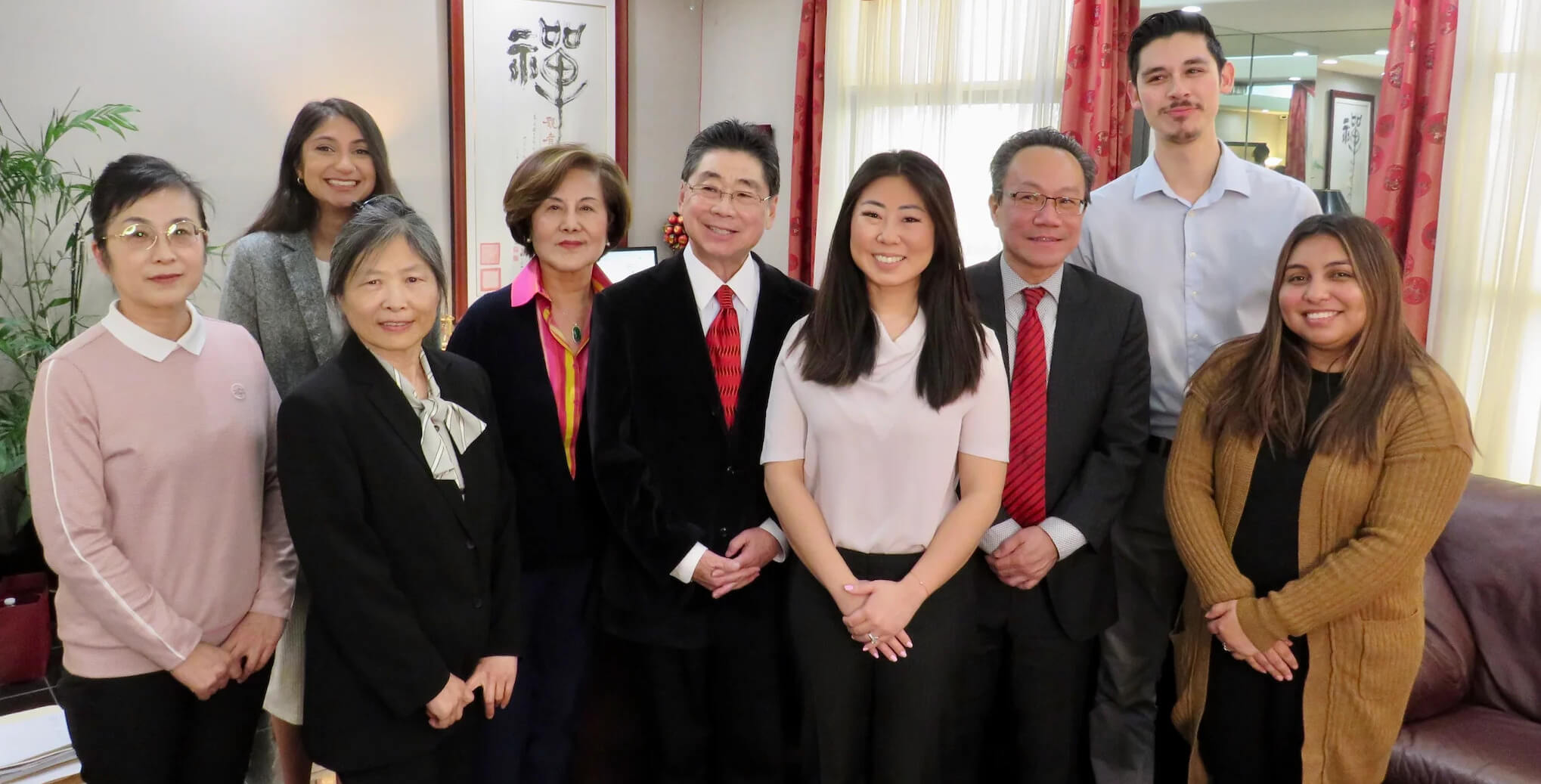
Why Choose Us?
-

Unmatched Expertise
Trust in Peter Chu's 75+ years of collective experience to guide you through complex immigration matters.
-

Tailored Solutions
Our personalized strategies adapt to your unique circumstances, ensuring we meet your specific immigration needs.
-

Proven Success
Benefit from our solid track record in achieving favorable outcomes in various immigration cases across San Diego.
-

Dedicated Service
Experience our client-first approach that ensures constant support and guidance throughout your immigration journey.


Get clear, expert legal guidance tailored to your visa, green card, or citizenship needs.

Inquire now to check if you qualify
Why Detroit Residents Choose Licensed IR-1 Representation vs. DIY Filing
Detroit families filing IR-1 spouse visa petitions typically weigh three options: self-filing using online guides and USCIS instructions, using a notario or visa consultant, or hiring a licensed immigration attorney. Here's the honest answer: IR-1 petitions are legally permissible to self-file, and USCIS does not require attorney representation. But the 18–24 month timeline, multi-stage process (I-130, NVC, consular interview), and consequences of errors (denials, administrative processing, inadmissibility findings) make professional legal guidance valuable for most families, particularly those with complicating factors like prior immigration violations, criminal history, or age-gap marriages.
Notarios and visa consultants are prohibited from providing legal advice under Michigan law and cannot represent you before USCIS or consulates. Many Detroit families have paid for incomplete petition preparation that resulted in RFEs or denials. Licensed immigration attorneys can analyze inadmissibility issues, prepare legal arguments, file waivers, and represent you in appeals if the case is denied. For straightforward cases with strong evidence and no complications, self-filing is feasible with careful research; for cases involving any complexity, licensed representation significantly improves approval odds and reduces processing delays.
| Filing Method | Legal Analysis | USCIS Representation | Waiver Eligibility Review | Professional Assessment |
|---|---|---|---|
| Self-Filing (DIY) | None. Instructions only | Not available | Not included | Viable for simple cases with strong evidence; high risk if complications exist |
| Notario / Visa Consultant | Prohibited by law | Not permitted | Not qualified | Illegal practice of law in Michigan; frequent source of botched petitions |
| Licensed IR-1 Attorney Detroit | Complete case review | Full representation | Evaluated and filed if needed | Required for complex cases; significantly reduces delay and denial risk |
Frequently Asked Questions
Find answers to common questions about our services
-
The total IR-1 timeline for Detroit petitioners averages 18–24 months from I-130 filing to visa issuance. Broken into three stages: USCIS I-130 adjudication (12–18 months), National Visa Center document processing (2–4 months), and consular interview sche
-
No. The IR-1 visa is a consular processing pathway, meaning the beneficiary spouse remains abroad until the visa is issued and cannot work in the United States during the petition process. If the spouse is currently in the U.S. in valid status and wishes
-
Detroit petitioners filing Form I-130 for a spouse must submit: proof of U.S. citizenship (passport, birth certificate, or naturalization certificate), marriage certificate issued by civil authority, divorce decrees or death certificates terminating all p
-
You are legally permitted to file an IR-1 petition without an attorney. USCIS does not require representation. But hiring an ir-1 attorney detroit is advisable if your case involves complicating factors such as prior visa denials, criminal history, unlawf
-
If USCIS denies your I-130 petition, you receive a written denial notice specifying the legal grounds. Common reasons include failure to prove a bona fide marriage, inability to establish qualifying relationship, or failure to respond to a Request for Evi
-
Legally yes, but practically difficult. Once you file an I-130 petition, your spouse's immigrant intent is on record with the U.S. government, which creates challenges for obtaining temporary visitor visas like the B-2 tourist visa. Consular officers pres
-
The Affidavit of Support (Form I-864) is a legally binding contract filed by the U.S. petitioner promising to financially support the immigrant spouse at 125% of the federal poverty guideline and reimbursing the government if the spouse receives means-tes
-
Both IR-1 and CR-1 are immediate relative spouse visa categories processed identically through I-130 petition, NVC, and consular interview. The only difference is conditional vs. permanent residency upon entry. If your marriage is less than two years old
Need Personalized Immigration Guidance?

