
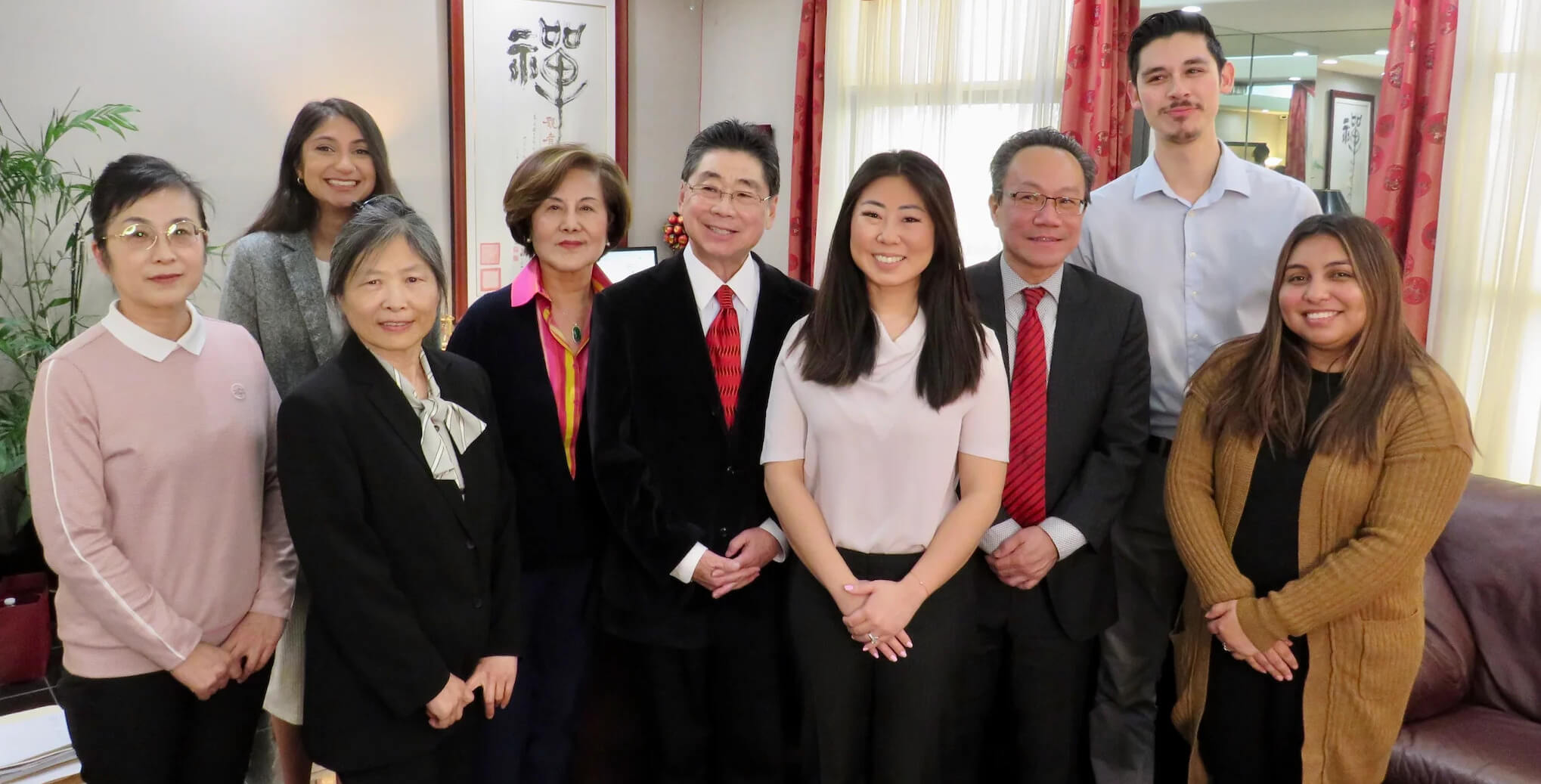
Why Choose Us?
-

Unmatched Expertise
Trust in Peter Chu's 75+ years of collective experience to guide you through complex immigration matters.
-

Tailored Solutions
Our personalized strategies adapt to your unique circumstances, ensuring we meet your specific immigration needs.
-

Proven Success
Benefit from our solid track record in achieving favorable outcomes in various immigration cases across San Diego.
-

Dedicated Service
Experience our client-first approach that ensures constant support and guidance throughout your immigration journey.


Get clear, expert legal guidance tailored to your visa, green card, or citizenship needs.

Inquire now to check if you qualify
Choosing an Immigration Attorney vs. DIY IR-1 Petition Filing in Miami
Miami couples filing IR-1 spouse visa petitions face a choice: retain a licensed immigration attorney, use an online document preparation service, or file the petition independently using USCIS instructions. Online services provide form-filling software and generic instructions but offer no legal advice, cannot respond to Requests for Evidence, and provide no representation if USCIS denies your petition or the consulate refuses the visa. Self-filing is legally permissible and costs only the USCIS filing fees, but it assumes you can correctly interpret which documents constitute sufficient evidence of a bona fide marriage, how to structure your affidavit of support when you have non-wage income, and what to do when the National Visa Center requests additional civil documents you didn't initially provide. Here's the honest answer: the I-130 form itself is straightforward—the complexity lies in assembling evidence that satisfies the adjudicating officer's assessment of marriage legitimacy and financial support capacity, and knowing which red flags in your case require preemptive explanation versus which are irrelevant. An experienced IR-1 attorney in Miami provides legal strategy, not just form completion.
| Factor | DIY Filing | Online Document Service | Licensed IR-1 Attorney Miami | Professional Assessment |
|---|---|---|---|---|
| Form Completion | Self-guided using USCIS instructions | Automated questionnaire generates forms | Attorney-prepared with case-specific evidence strategy | Self-filing works if your case is straightforward—no prior immigration violations, no criminal history, clear financial picture. Legal representation becomes cost-effective when your case includes complicating factors that require judgment calls about disclosure and evidence sequencing. |
| RFE Response | You interpret USCIS request and respond independently | No legal representation—you handle RFE alone | Attorney drafts response with legal argument and supporting evidence | RFEs (Requests for Evidence) are not simple document requests—they often signal adjudicator skepticism. The response quality determines approval or denial. A poorly drafted RFE response cannot be revised after submission. |
| Consular Interview Prep | No guidance—you research consulate procedures independently | Generic interview tips, no country-specific insight | Country-specific coaching, common question preparation, administrative processing guidance | Consular officers have broad discretion. Interview preparation includes not just knowing answers but understanding which answers trigger follow-up questions and how to address potential concerns before they become refusal grounds. |
| Cost | $675 USCIS fee + $325 NVC fee + $120 medical exam | $800–$1,500 service fee + government fees | $3,000–$5,500 full representation + government fees | Legal fees are a sunk cost if your case is denied—but so is the year of processing time you lose. The cost-benefit analysis depends on your case complexity and your risk tolerance for denial. |
Frequently Asked Questions
Find answers to common questions about our services
-
Current IR-1 processing times for Miami petitioners average 14–18 months from initial I-130 filing to consular interview, though timelines vary based on USCIS workload at the Miami Field Office, National Visa Center processing speed, and consular appointm
-
No—the IR-1 spouse visa is a consular processing pathway, meaning your foreign national spouse completes the process outside the United States and cannot work legally in Miami until after they enter the U.S. on their immigrant visa and receive their green
-
IR-1 and CR-1 are both immediate relative spouse visas—the only difference is marriage duration at the time of green card issuance. If you have been married for less than two years when your spouse enters the United States, USCIS issues a CR-1 conditional
-
You are legally permitted to file an I-130 petition for your spouse without an attorney—USCIS does not require legal representation. However, IR-1 petitions involve complex evidence requirements for proving a bona fide marriage, strict affidavit of suppor
-
USCIS requires evidence that your marriage is bona fide—entered into for love and companionship, not solely for immigration benefit. Strong evidence includes joint bank account statements, joint lease or mortgage agreements, joint utility bills, joint aut
-
If USCIS denies your I-130 petition, you receive a written denial notice explaining the legal basis for the decision—typically failure to establish a qualifying family relationship, insufficient evidence of bona fide marriage, or ineligibility due to frau
-
No—the IR-1 visa category is exclusively for spouses of U.S. citizens. Lawful permanent residents (green card holders) can petition for their spouses using the F2A family preference category, but this category has visa number quotas and waiting periods th
-
Consular processing is the procedure by which your foreign national spouse applies for an immigrant visa at a U.S. embassy or consulate abroad after USCIS approves your I-130 petition. Your spouse will complete their visa interview at the U.S. consulate t
Need Personalized Immigration Guidance?

