
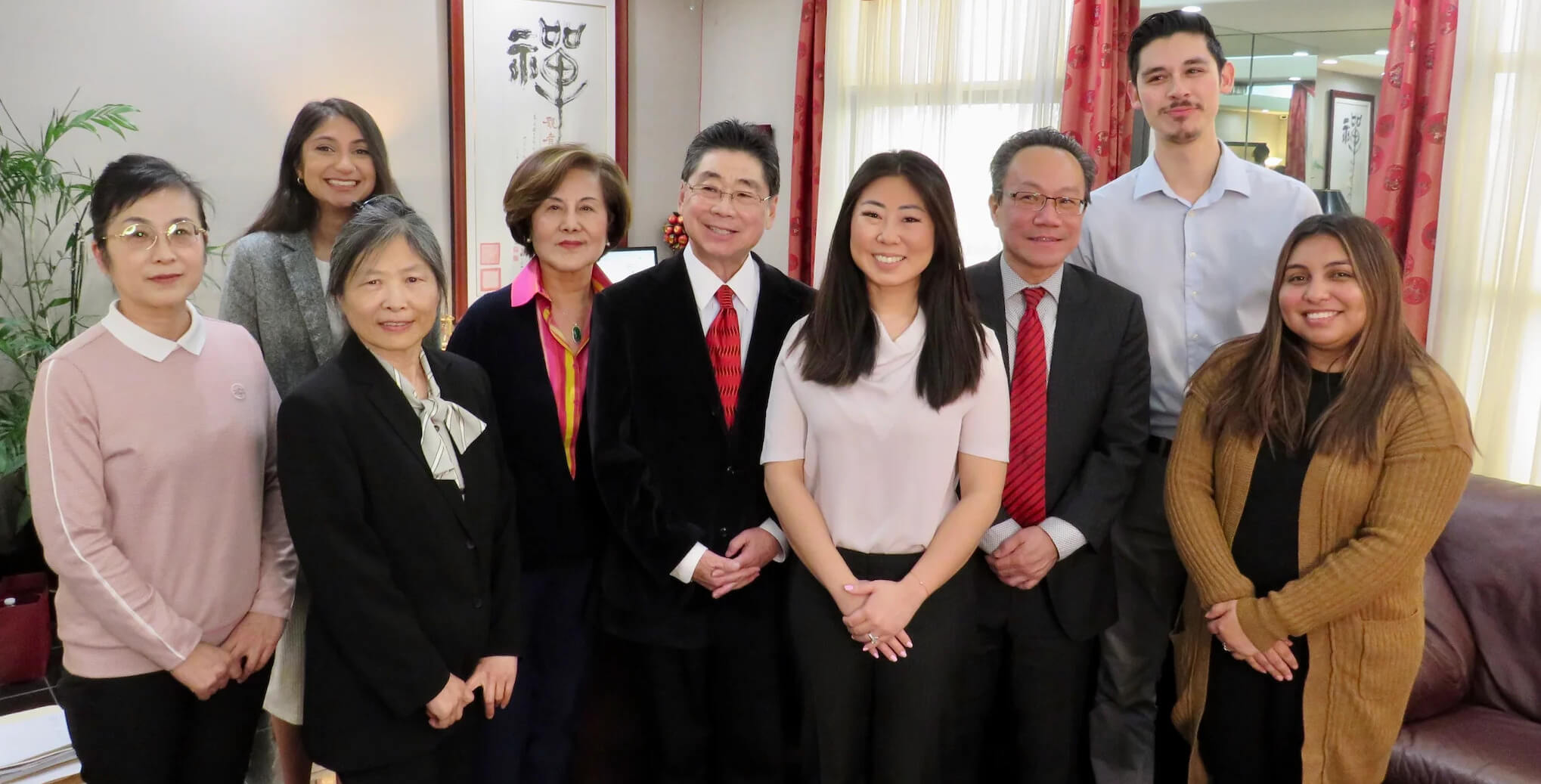
Why Choose Us?
-

Unmatched Expertise
Trust in Peter Chu's 75+ years of collective experience to guide you through complex immigration matters.
-

Tailored Solutions
Our personalized strategies adapt to your unique circumstances, ensuring we meet your specific immigration needs.
-

Proven Success
Benefit from our solid track record in achieving favorable outcomes in various immigration cases across San Diego.
-

Dedicated Service
Experience our client-first approach that ensures constant support and guidance throughout your immigration journey.


Get clear, expert legal guidance tailored to your visa, green card, or citizenship needs.

Inquire now to check if you qualify
Comparing Your IR-1 Spouse Visa Options in San Ramon
San Ramon families pursuing spousal immigration have three primary options: retaining a licensed immigration attorney, using an online legal document service, or filing the I-130 petition pro se without professional assistance. Online services provide form completion and filing instructions but lack the legal analysis necessary to address case-specific complications such as prior immigration violations, criminal history issues, or complex domicile scenarios. Pro se filers assume full responsibility for procedural compliance, evidence sufficiency, and consular interview preparation. A manageable approach for straightforward cases but a high-risk choice when relationship documentation is thin or the beneficiary has prior visa denials.
Here's the honest answer: IR-1 cases are among the most straightforward immigration pathways when the marriage is genuine, both parties have clean immigration and criminal histories, and the relationship evidence is robust. But even minor documentation gaps or consular red flags can delay approval by months. Retaining an attorney provides front-end case assessment that identifies potential issues before they become RFEs or 221(g) holds, strategic evidence organization that preempts consular skepticism, and responsive problem-solving when unexpected complications arise. The cost difference between attorney representation and pro se filing is significant, but the time cost of a delayed or denied petition is often larger.
| Option | Typical Cost | Case Complexity Handling | Professional Assessment |
|---|---|---|---|
| Licensed Immigration Attorney | $3,000–$5,500 flat fee | Handles RFEs, prior visa issues, complex domicile scenarios, consular coaching | Provides legal analysis, strategic evidence organization, and responsive problem-solving throughout the 12–18 month process |
| Online Document Service | $500–$1,200 | Form completion only; no legal advice or case-specific guidance | Suitable only for straightforward cases with no prior immigration issues or documentation gaps |
| Pro Se (Self-Filing) | $535 USCIS filing fee only | Full self-responsibility; no professional review or error correction | High-risk choice unless both parties have clean histories and extensive relationship documentation |
Frequently Asked Questions
Find answers to common questions about our services
-
The IR-1 spouse visa timeline from I-130 petition filing to consular visa approval typically ranges from 12 to 18 months for San Ramon petitioners, depending on USCIS processing times at the California Service Center, National Visa Center case processing
-
Both IR-1 and CR-1 visas are immediate relative spousal immigration pathways for U.S. citizens, but IR-1 is issued when the marriage has existed for two or more years at the time of visa approval, while CR-1 (Conditional Resident) is issued for marriages
-
No, the IR-1 visa process does not provide work authorization for the foreign spouse until the visa is approved and the spouse enters the United States as a lawful permanent resident. Unlike adjustment of status cases filed within the U.S. where Employmen
-
San Ramon petitioners must demonstrate household income at or above 125% of the federal poverty guideline for their household size on Form I-864 Affidavit of Support. For a two-person household in 2026, this threshold is approximately $24,650 annually. In
-
Consular visa denials are rare in IR-1 cases with genuine marriages and clean eligibility records, but when they occur, the consular officer must cite a specific ground of inadmissibility under the Immigration and Nationality Act. Common denial reasons in
-
Yes, U.S. citizen petitioners who reside abroad during the I-130 petition and consular processing must demonstrate intent to reestablish domicile in the United States when the foreign spouse immigrates. USCIS and consular officers assess domicile through
-
No, the I-130 petition for an IR-1 spouse visa covers only the U.S. citizen's foreign spouse. Stepchildren under 21 who were under 18 at the time the marriage occurred can be included as derivative beneficiaries on the spouse's immigrant visa application,
-
After USCIS approves the I-130 petition, the case transfers to the National Visa Center (NVC), which collects visa application fees, processes the DS-260 immigrant visa application, and reviews financial and civil documents before scheduling the consular
Need Personalized Immigration Guidance?

