
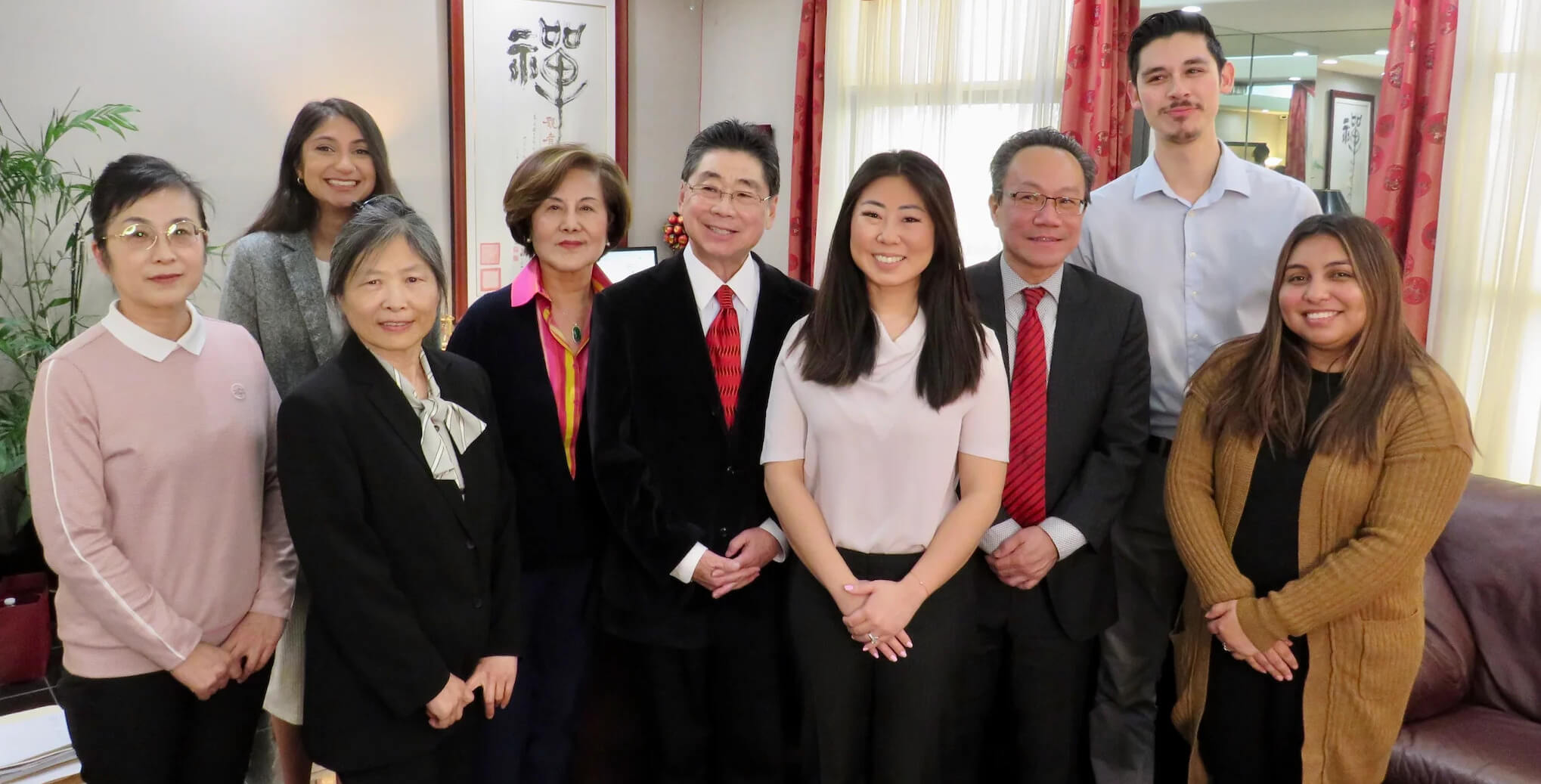
Why Choose Us?
-

Unmatched Expertise
Trust in Peter Chu's 75+ years of collective experience to guide you through complex immigration matters.
-

Tailored Solutions
Our personalized strategies adapt to your unique circumstances, ensuring we meet your specific immigration needs.
-

Proven Success
Benefit from our solid track record in achieving favorable outcomes in various immigration cases across San Diego.
-

Dedicated Service
Experience our client-first approach that ensures constant support and guidance throughout your immigration journey.


Get clear, expert legal guidance tailored to your visa, green card, or citizenship needs.

Inquire now to check if you qualify
Choosing the Right IR-1 Representation in Washington DC
Washington DC IR-1 petitioners face a choice: self-file using online forms and USCIS instructions, hire a notario or unlicensed document preparer, or retain a licensed immigration attorney Washington DC with consular processing experience. Self-filing is legally permissible and may work for straightforward cases with strong evidence, but it places the burden of understanding USCIS adjudication standards, NVC document requirements, and consular interview protocols entirely on the petitioner—errors or omissions often surface only after months of processing, when correction is costly and delay is unavoidable. Notarios and document preparers—many advertising bilingual services and low fees—are prohibited from providing legal advice, cannot represent clients before USCIS, and are not subject to attorney ethical rules or malpractice standards. Here's the honest answer: IR-1 cases involve three distinct adjudication stages (USCIS, NVC, consular post), each with different evidentiary standards and procedural requirements—and mistakes at any stage can result in visa denial, mandatory waiting periods, or permanent inadmissibility findings that are difficult or impossible to reverse. Law office of Peter Darwin Chu provides end-to-end representation from petition filing through visa issuance, ensuring compliance at every phase.
| Approach | Timeline Risk | Legal Advice | USCIS Representation | Consular Coordination | Professional Assessment |
|---|---|---|---|---|---|
| Self-Filing | High—RFEs and NVC delays common | None | No attorney on record | Applicant manages alone | Risk appropriate only for simple cases with strong documentation |
| Notario/Document Preparer | Moderate to High—no legal review | Prohibited by law | Not authorized | No consular experience | Not authorized to practice immigration law—procedural risk high |
| Licensed Immigration Attorney | Low—proactive issue resolution | Full legal counsel | Attorney of record throughout | Embassy-specific preparation | Recommended for cases with complexity, prior violations, or high stakes |
| Law office of Peter Darwin Chu | Minimal—structured process, regular updates | Comprehensive case strategy | Representation through visa issuance | Country-specific interview prep | End-to-end IR-1 representation with DC-specific USCIS and consular knowledge |
Frequently Asked Questions
Find answers to common questions about our services
-
The IR-1 spouse visa timeline averages 18–24 months from I-130 filing to visa issuance, though actual processing times vary based on USCIS Washington Field Office workload, National Visa Center backlog, and the specific U.S. embassy or consulate conductin
-
No—the IR-1 visa is processed entirely through consular processing, meaning the foreign spouse remains abroad until the visa is issued and does not receive employment authorization during the waiting period. If your spouse is already in the U.S. on a vali
-
The IR-1 visa is issued to spouses married for two years or more as of the date the visa is issued; the CR-1 visa is issued to spouses married for less than two years. Both are processed identically through USCIS and the National Visa Center, but CR-1 vis
-
U.S. petitioners are not required to attend the consular interview, but many consular posts strongly encourage or prefer the petitioner's presence—particularly for cases involving short marriages, significant age differences, or prior immigration violatio
-
The affidavit of support (Form I-864) requires the U.S. petitioner to submit IRS tax transcripts (not photocopies of tax returns) for the most recent tax year, proof of current income such as recent pay stubs or an employer letter, and evidence of U.S. do
-
USCIS recognizes proxy marriages (where one or both spouses were not physically present at the ceremony) only if the marriage was legally valid in the jurisdiction where it occurred and was consummated after the ceremony. Proxy marriages performed in Mont
-
If USCIS denies an I-130 petition, the denial notice will specify the reason—common grounds include failure to prove a bona fide marriage, insufficient evidence of the petitioner's U.S. citizenship, or inability to overcome a prior fraud finding. Petition
-
There is no expedited or premium processing option for I-130 petitions or consular processing in family-based immigration cases—USCIS processes all IR-1 petitions in the order received, and the National Visa Center follows a structured document review and
Need Personalized Immigration Guidance?

