
Why Choose Us?
-

Unmatched Expertise
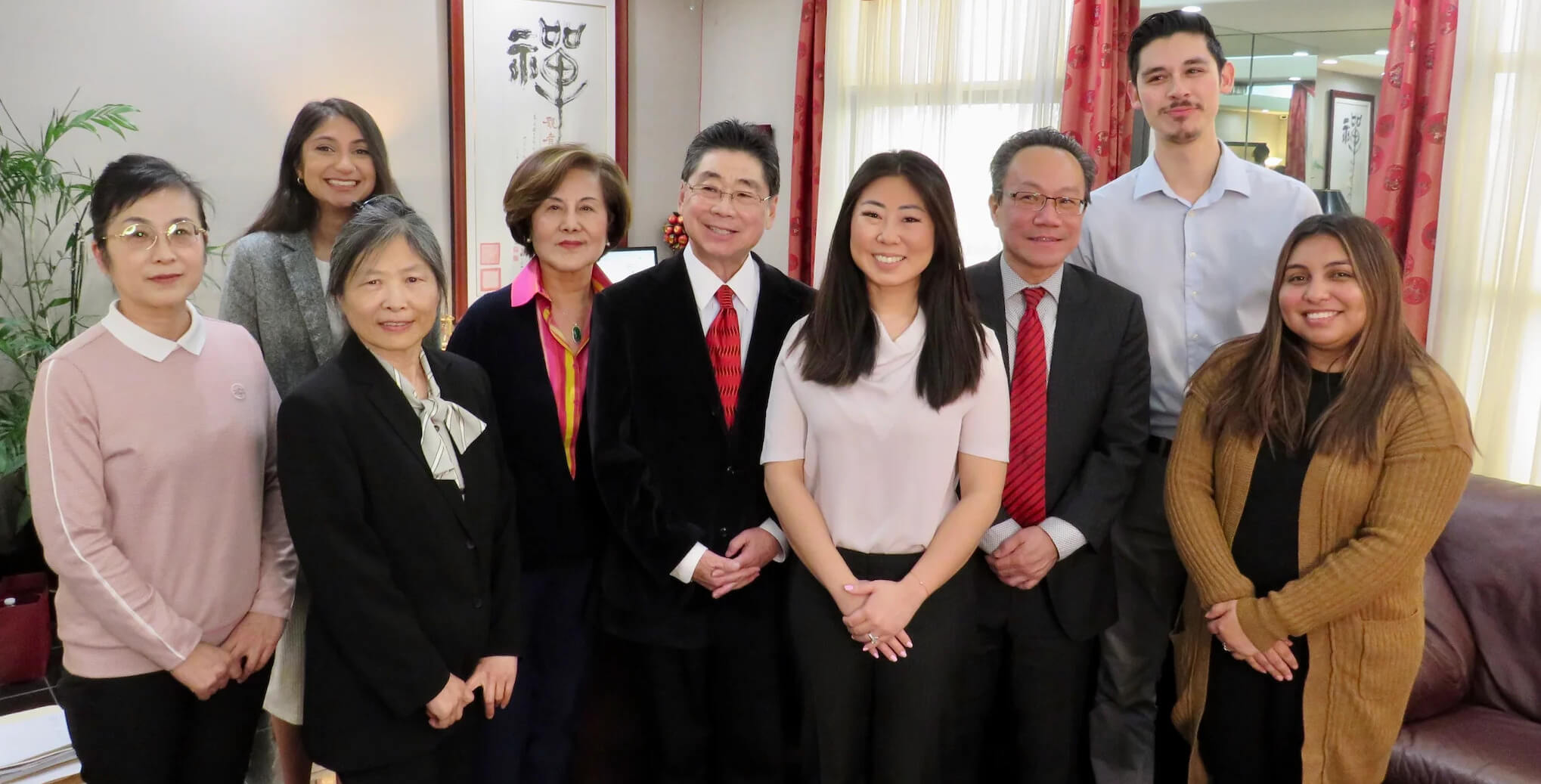
Trust in Peter Chu's 75+ years of collective experience to guide you through complex immigration matters.
-

Tailored Solutions
Our personalized strategies adapt to your unique circumstances, ensuring we meet your specific immigration needs.
-
Proven Success
Benefit from our solid track record in achieving favorable outcomes in various immigration cases across San Diego.
-

Dedicated Service
Experience our client-first approach that ensures constant support and guidance throughout your immigration journey.


Get clear, expert legal guidance tailored to your visa, green card, or citizenship needs.

Inquire now to check if you qualify
Choosing an IR-1 Lawyer in Ontario vs. DIY Filing or Petition Services
Ontario residents preparing IR-1 spouse visa petitions face three main options: hiring a licensed California immigration attorney, using an online petition service or paralegal, or filing the I-130 without professional assistance. Online petition services—often marketed as 'visa preparation platforms'—generate form templates and checklists but provide no legal advice, no representation if USCIS issues an RFE, and no liability if errors cause denial or delay. Paralegals and notarios (a term meaning 'notary' in some countries but carrying no legal authority in the U.S.) cannot represent you before USCIS, cannot sign Form G-28 (Notice of Entry of Appearance), and cannot communicate with USCIS on your behalf under federal regulations. DIY filing is feasible for straightforward cases—first marriage for both spouses, no children, no prior immigration violations, strong financial profile—but becomes risky when the case involves prior visa denials, criminal history, significant age gaps, or marriages that occurred quickly after meeting.
Here's the honest answer: the cost of an immigration attorney is insurance against the cost of a delayed or denied case. USCIS approval rates for I-130 petitions filed without counsel are 8–12% lower than represented cases according to USCIS Ombudsman data, and cases that receive RFEs add an average of 6 months to processing time. For Ontario families where the U.S. petitioner is the primary earner, six months of separation has a quantifiable financial cost in terms of lost household income, childcare burdens, and the inability to make long-term housing or employment decisions. A licensed attorney provides three things a petition service cannot: a legal analysis of your specific case facts against current USCIS policy, representation authority if the case encounters problems, and professional liability insurance if errors occur.
| Filing Method | Legal Advice | USCIS Representation | Professional Assessment |
|---|---|---|---|
| Licensed Immigration Attorney | Full case-specific counsel, precedent research, waiver assessment | Yes—Form G-28 authority, direct USCIS communication | Best for complex cases, prior denials, or high-stakes timelines. Costs $2,500–$5,000 but reduces denial and delay risk. |
| Online Petition Service | None—form generation only, no legal analysis | No—cannot sign G-28 or communicate with USCIS | Suitable only for simple first-marriage cases with no complicating factors. Saves $1,500–$2,000 upfront but offers no protection if problems arise. |
| DIY (Self-Filing) | None—you interpret instructions yourself | No representation | Risky for any case with prior immigration history, criminal issues, or financial complexity. Free labor but high opportunity cost if denied. |
| Paralegal / Notario | Unauthorized practice of law—cannot give legal advice | No—not authorized under federal law | Often cheaper than attorneys but provides no enforceable service standard. High risk of incomplete filings and missed deadlines. |
Frequently Asked Questions
Find answers to common questions about our services
-
The IR-1 spouse visa process from Ontario typically takes 12–18 months from I-130 filing to visa issuance, though processing times vary based on USCIS workload at the California Service Center, National Visa Center document processing speed, and interview
-
No—there is no work authorization available during IR-1 visa processing because your spouse is abroad undergoing consular processing, not adjusting status within the U.S. If your spouse is currently in the United States in valid nonimmigrant status and yo
-
To begin an IR-1 spouse visa case, your Ontario attorney needs: your U.S. passport or birth certificate (proof of citizenship), your marriage certificate (certified copy with apostille if foreign), divorce decrees for any prior marriages (for both spouses
-
Yes—every IR-1 visa applicant must attend an in-person interview at the U.S. embassy or consulate in their home country, even if the petitioner (you) lives in Ontario, CA. There are no exceptions to the consular interview requirement for immigrant visas p
-
IR-1 lawyer Ontario fees typically range from $2,500 to $5,000 for full representation from I-130 preparation through visa issuance, depending on case complexity. This attorney fee is separate from government filing fees ($675 for I-130, $325 for DS-260,
-
If USCIS denies your I-130 petition, you have two options: file a motion to reopen or reconsider with USCIS (Form I-290B, due within 30 days of the denial notice), or file a new I-130 petition addressing the reason for denial with additional evidence. Com
-
No—IR-1 visa classification is reserved exclusively for spouses of U.S. citizens. If you are a lawful permanent resident (green card holder) living in Ontario, your spouse qualifies for F2A family preference classification, which currently has a 2–3 year
-
The only difference between IR-1 and CR-1 spouse visas is the duration of your marriage at the time of visa issuance—if you have been married less than two years when your spouse enters the U.S., they receive a CR-1 conditional resident visa valid for two
Need Personalized Immigration Guidance?

