
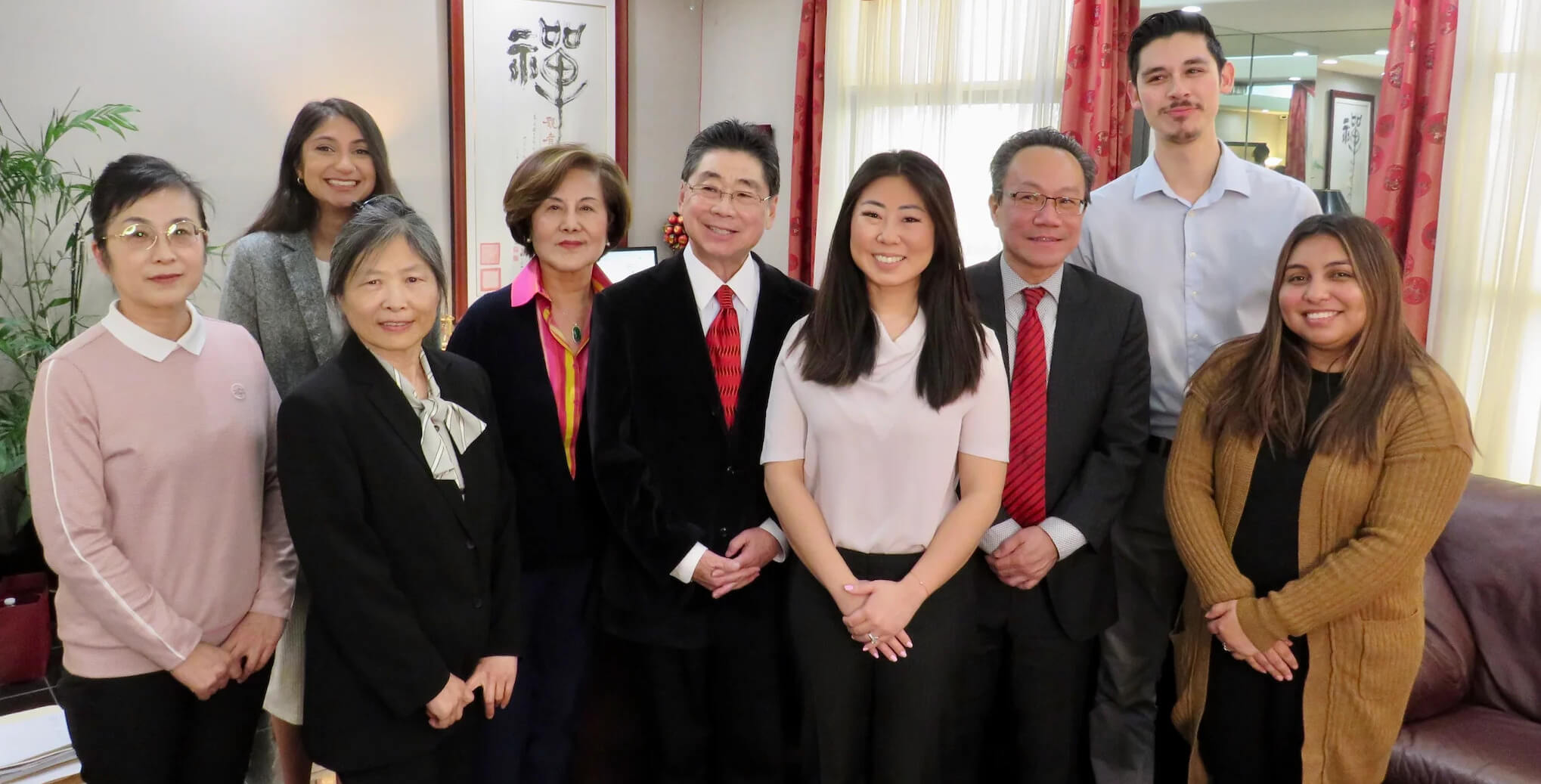
Why Choose Us?
-

Unmatched Expertise
Trust in Peter Chu's 75+ years of collective experience to guide you through complex immigration matters.
-

Tailored Solutions
Our personalized strategies adapt to your unique circumstances, ensuring we meet your specific immigration needs.
-

Proven Success
Benefit from our solid track record in achieving favorable outcomes in various immigration cases across San Diego.
-

Dedicated Service
Experience our client-first approach that ensures constant support and guidance throughout your immigration journey.


Get clear, expert legal guidance tailored to your visa, green card, or citizenship needs.

Inquire now to check if you qualify
Comparing IR-1 Spouse Visa Options in San Antonio: Consular Processing vs. Adjustment of Status
San Antonio couples sponsoring a foreign spouse face a fundamental choice: file for an IR-1 visa through consular processing abroad, or file for adjustment of status (Form I-485) if the spouse is already in the United States. Each path has distinct timelines, costs, and legal risks.
Here's the honest answer: If your spouse is outside the U.S. or entered unlawfully, consular processing is the only option. If your spouse is in the U.S. on a valid visa and maintained status, adjustment of status is almost always faster. 8–12 months to green card versus 14–20 months for consular processing. But if your spouse overstayed, worked without authorization, or entered without inspection, attempting adjustment can trigger removal proceedings, while consular processing with a properly filed I-601A waiver provides a legal pathway without triggering deportation.
| Factor | IR-1 Consular Processing | Adjustment of Status (I-485) | Professional Assessment |
|---|---|---|---|
| Eligibility | Spouse abroad or in U.S. regardless of entry method | Spouse must be in U.S. with lawful entry and current status | Consular processing required if spouse has any status violations |
| Timeline | 14–20 months (I-130 + NVC + interview) | 8–12 months (concurrent I-130/I-485 filing) | Adjustment faster if eligible, but ineligibility risk high |
| Travel During Process | Spouse remains abroad until visa issued | Spouse can apply for advance parole, travel after 3–5 months | Adjustment allows earlier travel authorization |
| Risk of Removal | No removal risk (spouse abroad during process) | High risk if status violated. Filing can trigger ICE review | Consular processing safer for anyone with overstays or gaps |
Frequently Asked Questions
Find answers to common questions about our services
-
Current IR-1 processing timelines for San Antonio petitioners average 14–20 months from I-130 filing to visa issuance. USCIS Texas Service Center is processing I-130 petitions in 10–14 months, NVC document processing adds 2–4 months, and consular intervie
-
San Antonio IR-1 petitioners must submit: a valid marriage certificate with certified English translation, proof of termination of all prior marriages (divorce decrees or death certificates), evidence of bona fide marriage (joint financial accounts, lease
-
No. IR-1 consular processing does not provide work authorization during the petition and NVC phases, as the foreign spouse remains abroad until visa issuance. If your spouse is currently in the United States on a valid nonimmigrant visa, they may only wor
-
Even straightforward IR-1 cases benefit from attorney review because USCIS adjudication standards are technical and evidence gaps discovered after filing result in Requests for Evidence (RFEs) that delay approval by 3–6 months. Common issues that appear '
-
IR-1 and CR-1 are both immediate relative spouse visas processed identically through USCIS and NVC. The only difference is the duration of the marriage at the time the foreign spouse enters the United States. If the marriage is two years or older at entry
-
Yes. IR-1 petitions are not restricted by the foreign spouse's country of citizenship or residence. However, certain countries have elevated administrative processing rates after consular interviews due to security clearance procedures, and a small number
-
If your household income does not meet 125% of the federal poverty guideline for your household size, you have three options: use a joint sponsor (a U.S. citizen or green card holder willing to submit their own I-864), include the value of significant ass
-
IR-1 processing is federally uniform regardless of petitioner location. USCIS Texas Service Center processes all Texas I-130 petitions, and NVC handles all approved cases nationally. The primary location-specific variable is access to immigration attorney
Need Personalized Immigration Guidance?

