
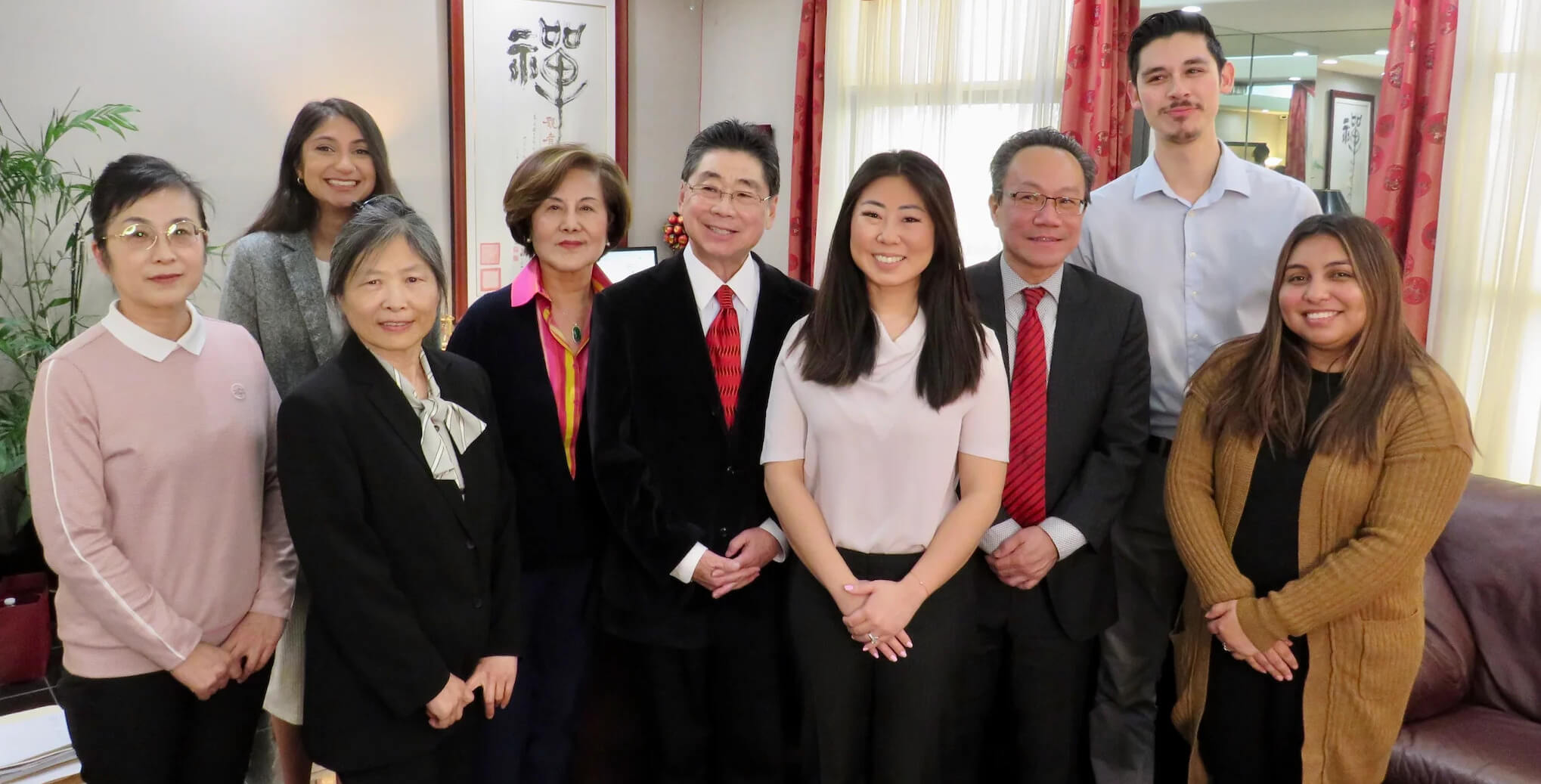
Why Choose Us?
-

Unmatched Expertise
Trust in Peter Chu's 75+ years of collective experience to guide you through complex immigration matters.
-

Tailored Solutions
Our personalized strategies adapt to your unique circumstances, ensuring we meet your specific immigration needs.
-

Proven Success
Benefit from our solid track record in achieving favorable outcomes in various immigration cases across San Diego.
-

Dedicated Service
Experience our client-first approach that ensures constant support and guidance throughout your immigration journey.


Get clear, expert legal guidance tailored to your visa, green card, or citizenship needs.

Inquire now to check if you qualify
Comparing Your IR-2 Representation Options in San Juan Capistrano
San Juan Capistrano families filing IR-2 petitions choose between three paths: hiring an immigration attorney, using a notario or document preparation service, or filing pro se (self-represented). Here's the honest answer: notarios and document services are not authorized to provide legal advice under California Business and Professions Code § 22442, and their involvement ends at form completion—they cannot represent you before USCIS, respond to RFEs with legal argument, or appear at consular interviews. Self-filing is legally permissible but procedurally risky: USCIS does not provide filing advice, and errors in I-130 preparation—incorrect relationship classification, missing translations, or incomplete financial sponsorship evidence—result in denials that require starting over with a new filing fee. Licensed immigration attorneys provide end-to-end representation: petition drafting, RFE response, consular interview preparation, and waiver filings if inadmissibility issues arise. The cost difference between a $400 notario fee and a $2,500–$4,000 attorney retainer reflects the scope of service and the enforceability of professional accountability.
| Option | Cost | USCIS Representation | Professional Assessment |
|---|---|---|---|
| Licensed Attorney | $2,500–$4,000 | Yes—Form G-28 filed | The only option with enforceable ethical duties and the authority to argue law before USCIS and consulates. |
| Notario/Document Service | $400–$800 | No—unauthorized practice | Legal only for form typing; cannot provide advice, respond to RFEs, or represent you if the case is denied. |
| Pro Se (Self-Filing) | USCIS fees only | No | Procedurally allowed but carries high error risk—USCIS will not correct mistakes or provide guidance after filing. |
| Online DIY Platforms | $200–$600 + fees | No | Form generation software with no legal review—suitable only for the simplest cases with no complicating factors. |
Frequently Asked Questions
Find answers to common questions about our services
-
The IR-2 visa timeline for San Juan Capistrano families averages 12–18 months from I-130 filing to consular interview, though processing times vary by USCIS service center and consular post workload. I-130 adjudication typically takes 8–12 months at Calif
-
An ir-2 lawyer san juan capistrano requires proof of your U.S. citizenship (passport, birth certificate, or naturalization certificate), your child's birth certificate listing you as the parent, evidence of any legal name changes, and proof of termination
-
IR-2 classification does not apply to adopted children—you must file under the IR-3 or IR-4 category depending on whether the adoption was finalized abroad or will be completed in the United States. The IR-3 category requires that the adoption decree be f
-
If USCIS denies your I-130 petition, the denial notice will cite the regulatory basis—typically insufficient evidence of the parent-child relationship, failure to establish U.S. citizenship, or abandonment due to non-response to an RFE. You may file a mot
-
You are legally permitted to file an I-130 petition and complete NVC processing without attorney representation—USCIS provides form instructions and the NVC publishes step-by-step guides on its website. However, self-filing carries procedural risk: USCIS
-
IR-2 classification applies to unmarried children under 21 of U.S. citizens and is an immediate relative category with no numerical cap or priority date—visa numbers are always available. The F2A category applies to unmarried children (any age) of lawful
-
No—IR-2 beneficiaries abroad cannot work in the United States during petition processing because they have no lawful immigration status until they enter on an immigrant visa and are admitted as lawful permanent residents. If the child is already in the Un
-
You must submit Form I-864 (Affidavit of Support) demonstrating household income at 125% of the Federal Poverty Guidelines for your household size—currently $24,650 for a household of two in 2026. Supporting evidence includes IRS tax transcripts for the m
Need Personalized Immigration Guidance?

