
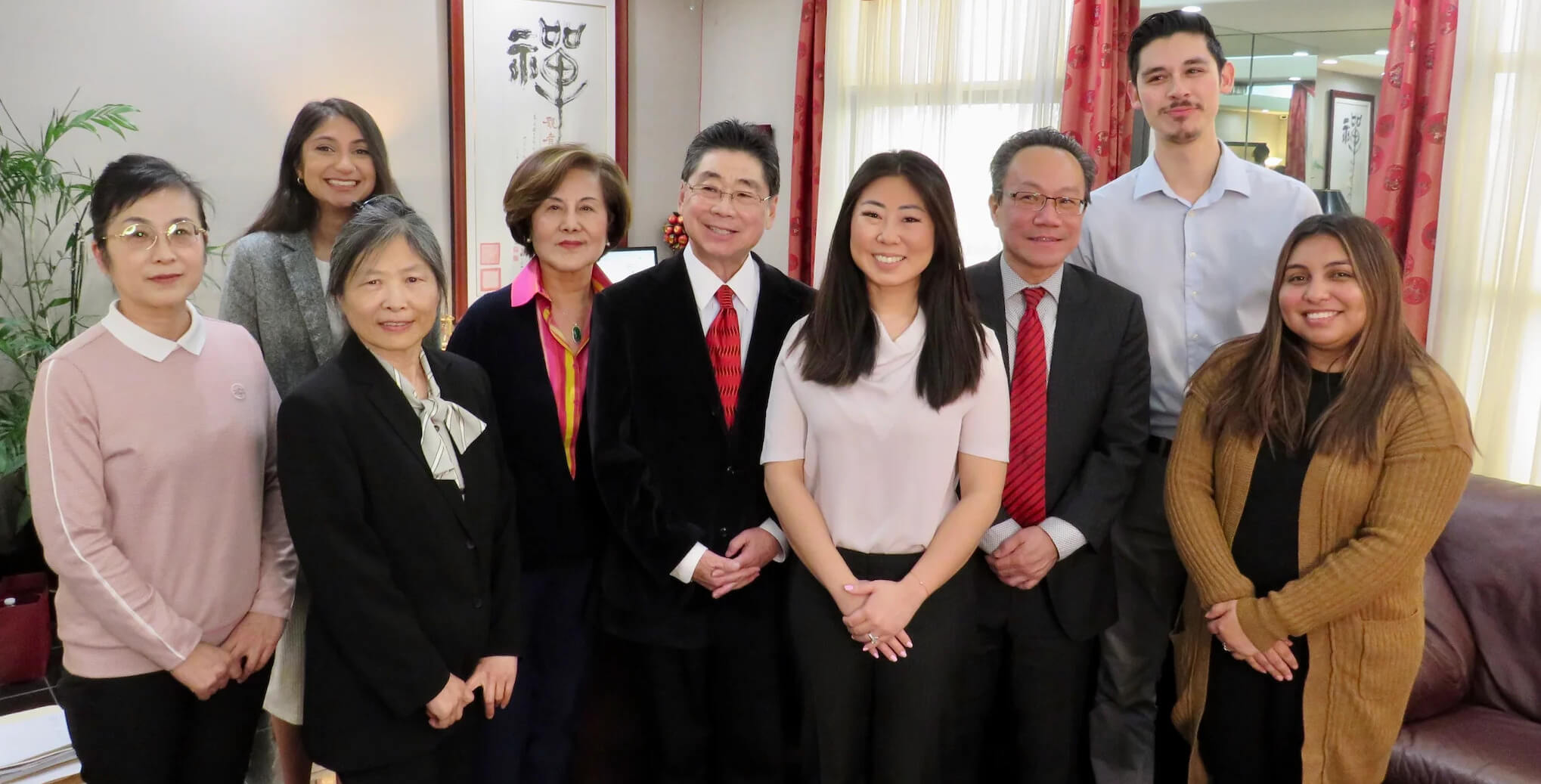
Why Choose Us?
-

Unmatched Expertise
Trust in Peter Chu's 75+ years of collective experience to guide you through complex immigration matters.
-

Tailored Solutions
Our personalized strategies adapt to your unique circumstances, ensuring we meet your specific immigration needs.
-

Proven Success
Benefit from our solid track record in achieving favorable outcomes in various immigration cases across San Diego.
-

Dedicated Service
Experience our client-first approach that ensures constant support and guidance throughout your immigration journey.


Get clear, expert legal guidance tailored to your visa, green card, or citizenship needs.

Inquire now to check if you qualify
Choosing the Right IR-5 Attorney in Brea: Licensed Counsel vs. DIY Filing vs. Notario Services
Brea families pursuing IR-5 parent visas face three primary options: California-licensed immigration attorneys, self-filing through USCIS.gov, or unlicensed notario or immigration consultant services. Here's the honest answer: self-filing works for straightforward cases with no prior immigration violations, no overstay history, and readily available civil documents—but any complexity (criminal history, prior visa denials, missing documents) dramatically increases the risk of denial or multi-year delays. Unlicensed notarios are prohibited from providing legal advice under California Business and Professions Code § 6125, yet many charge attorney-level fees without malpractice insurance or State Bar oversight. The Law office of Peter Darwin Chu provides licensed representation with written fee agreements, attorney-client privilege, and accountability to the California State Bar.
| Option | Cost Range | Legal Protection | Best For | Professional Assessment |
|---|---|---|---|---|
| Licensed IR-5 Attorney | $2,500–$5,000 | California Bar license, malpractice insurance, privilege | Cases with any prior immigration violations, overstays, missing documents, or criminal history | Mandatory for complex cases—only option with legal accountability |
| Self-Filing (USCIS.gov) | $535 filing fee only | None—you represent yourself | Simple cases: no overstays, no criminal history, all documents available, fluent English | Viable only if case is straightforward—any RFE risks multi-month delays |
| Unlicensed Notario | $1,000–$3,000 | None—unauthorized practice of law | No legitimate use case | Illegal in California—high risk of fraud, no recourse if case is mishandled |
| Online Form Services | $200–$800 + filing fees | None—document preparation only, no legal advice | Very simple cases with no questions about eligibility | Limited utility—does not include legal strategy or RFE response |
Frequently Asked Questions
Find answers to common questions about our services
-
IR-5 visa processing timelines vary by case pathway. Consular processing cases typically take 12–18 months from I-130 filing to immigrant visa issuance: 6–10 months for USCIS I-130 approval, 2–4 months for National Visa Center document processing, and 2–4
-
The I-130 petition requires proof of the petitioner's U.S. citizenship (passport, birth certificate, or naturalization certificate), proof of parent-child relationship (petitioner's birth certificate listing the parent), and proof of any legal name change
-
Work authorization depends on the processing pathway. Parents adjusting status in the U.S. can apply for an Employment Authorization Document (EAD) using Form I-765 filed concurrently with Form I-485—approval typically takes 4–6 months, after which the pa
-
The petitioner must demonstrate income at 125% of the Federal Poverty Guidelines for their household size—$24,650 for a household of two in 2026. Household size includes the petitioner, the petitioner's spouse, any dependent children, and the immigrating
-
A Request for Evidence (RFE) means USCIS requires additional documentation or clarification before adjudicating the case. Common RFE topics include proof of parent-child relationship, evidence of legal name changes, or updated financial documentation for
-
Parents adjusting status should not travel internationally without advance parole authorization (Form I-131, approved separately from I-485) or they risk abandoning their adjustment application. Advance parole approval takes 4–6 months, after which the pa
-
The most common IR-5 denial reasons are: failure to prove parent-child relationship (birth certificate missing parent's name, or evidence of legal name change not provided), insufficient income on Form I-864 without joint sponsor, and inadmissibility grou
-
The public charge inadmissibility ground under INA § 212(a)(4) requires that intending immigrants are not likely to become primarily dependent on government cash assistance or long-term institutionalized care. The Affidavit of Support (Form I-864) is desi
Need Personalized Immigration Guidance?

