
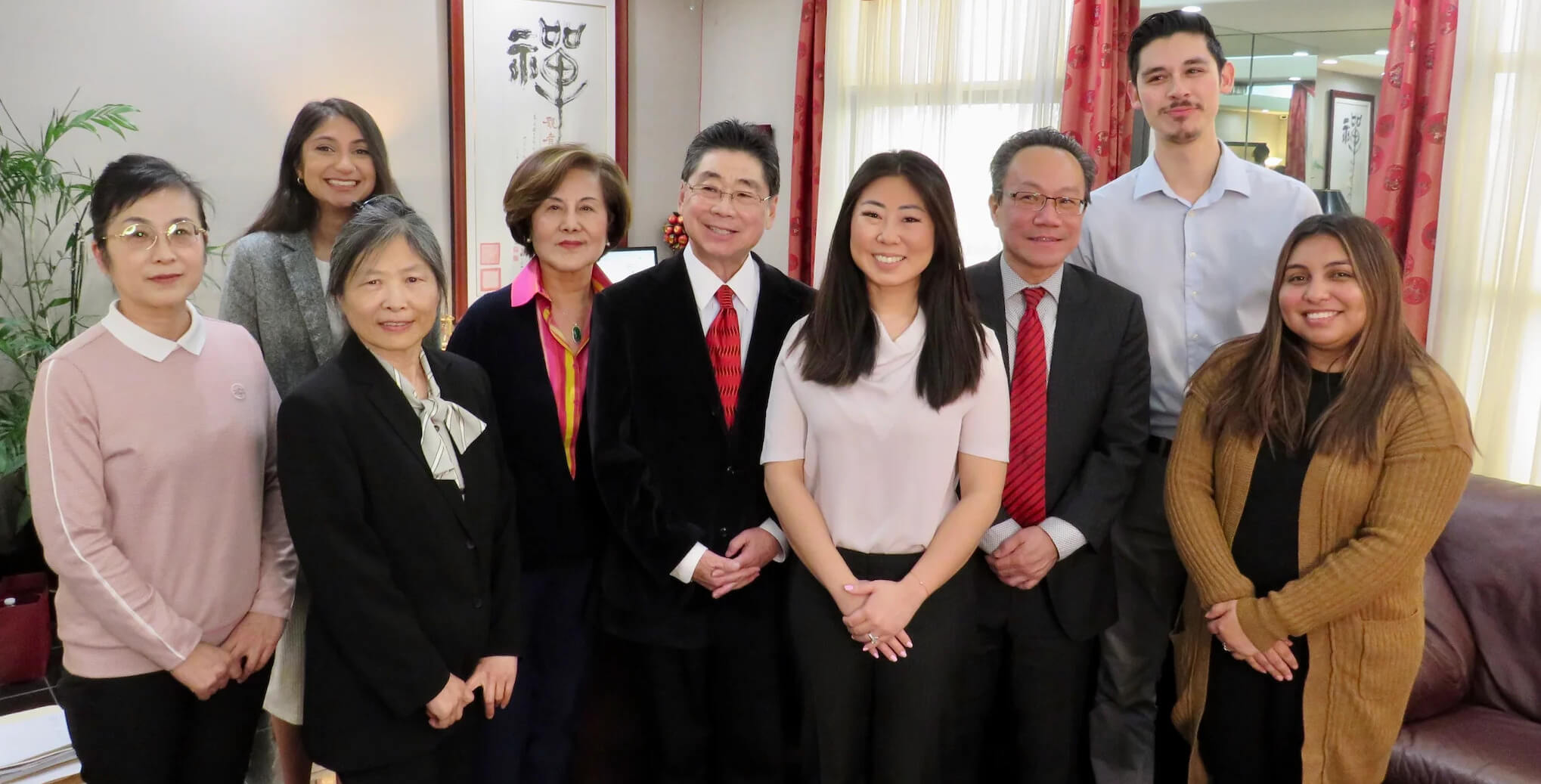
Why Choose Us?
-

Unmatched Expertise
Trust in Peter Chu's 75+ years of collective experience to guide you through complex immigration matters.
-

Tailored Solutions
Our personalized strategies adapt to your unique circumstances, ensuring we meet your specific immigration needs.
-

Proven Success
Benefit from our solid track record in achieving favorable outcomes in various immigration cases across San Diego.
-

Dedicated Service
Experience our client-first approach that ensures constant support and guidance throughout your immigration journey.


Get clear, expert legal guidance tailored to your visa, green card, or citizenship needs.

Inquire now to check if you qualify
Choosing an IR-5 Attorney in Fresno: Attorney vs. DIY Petition vs. Notary Service
Fresno residents filing IR-5 parent visa petitions face three main options: hiring a licensed immigration attorney, filing the petition themselves using USCIS instructions, or using a notary or petition preparer. Each option involves different cost structures, risk profiles, and processing outcomes. Here's the honest answer: self-filing works for straightforward cases (unmarried U.S. citizen sponsor, parent with no immigration history, household income well above 125% threshold, complete civil documents), but any complexity. Prior visa denials, unlawful presence, joint sponsors, or missing documents. Exponentially increases the risk of RFEs, denials, or multi-year delays that cost far more than attorney fees.
| Option | Upfront Cost | RFE Risk | Processing Time | Professional Assessment |
|---|---|---|---|---|
| Licensed Immigration Attorney | $2,500–$5,000 | Low (5–10%) | 12–18 months | Best for any case with financial complexity, prior immigration history, or missing documents |
| DIY Petition Filing | $535 filing fee only | High (30–40%) | 12–24 months | Viable only for textbook-simple cases with complete documentation |
| Notary/Petition Preparer | $500–$1,200 | Very High (40–50%) | 15–30 months | Highest risk. Notaries cannot give legal advice and are not liable for errors |
| Online Form Services | $200–$800 + filing fees | High (35–45%) | 12–24 months | Document assembly only. No legal review, no RFE response support |
Frequently Asked Questions
Find answers to common questions about our services
-
Total processing time for IR-5 parent visas filed from Fresno averages 14–20 months from I-130 filing to visa issuance, broken into three phases: USCIS I-130 adjudication (10–14 months), National Visa Center processing (2–4 months), and consular interview
-
Total cost for an IR-5 parent visa includes USCIS Form I-130 filing fee ($535 as of 2026), National Visa Center immigrant visa application fee ($325), affidavit of support fee ($120), medical examination at an approved panel physician abroad ($200–$500 de
-
No. Parents residing abroad cannot work in the U.S. while the IR-5 petition is pending because they do not have an immigrant visa or work authorization. Parents already in the U.S. on a valid nonimmigrant visa (B-2 visitor, for example) also cannot work w
-
Consular visa denials for IR-5 applicants are typically based on inadmissibility grounds: criminal history, prior immigration violations, misrepresentation, or public charge concerns. The consular officer will provide a written reason for denial and, in s
-
You are not required to hire an attorney to file an IR-5 petition. USCIS accepts self-filed petitions and provides instructions and forms on its website. However, self-filing carries significant risk of errors, omissions, and RFEs that delay processing by
-
No. Each parent requires a separate Form I-130 petition and separate filing fee, even if both parents are being sponsored by the same U.S. citizen child. USCIS processes each I-130 independently, though both parents can coordinate their National Visa Cent
-
The consular interview for IR-5 parent visa applicants typically lasts 10–20 minutes and is conducted by a consular officer at the U.S. embassy or consulate in the parent's home country. The officer will verify the parent-child relationship, review financ
-
Technically yes, but it carries significant risk of visa denial or entry refusal based on immigrant intent. U.S. visitor visas (B-1/B-2) and visa waiver program entry require the applicant to demonstrate nonimmigrant intent. The intent to return to their
Need Personalized Immigration Guidance?

