
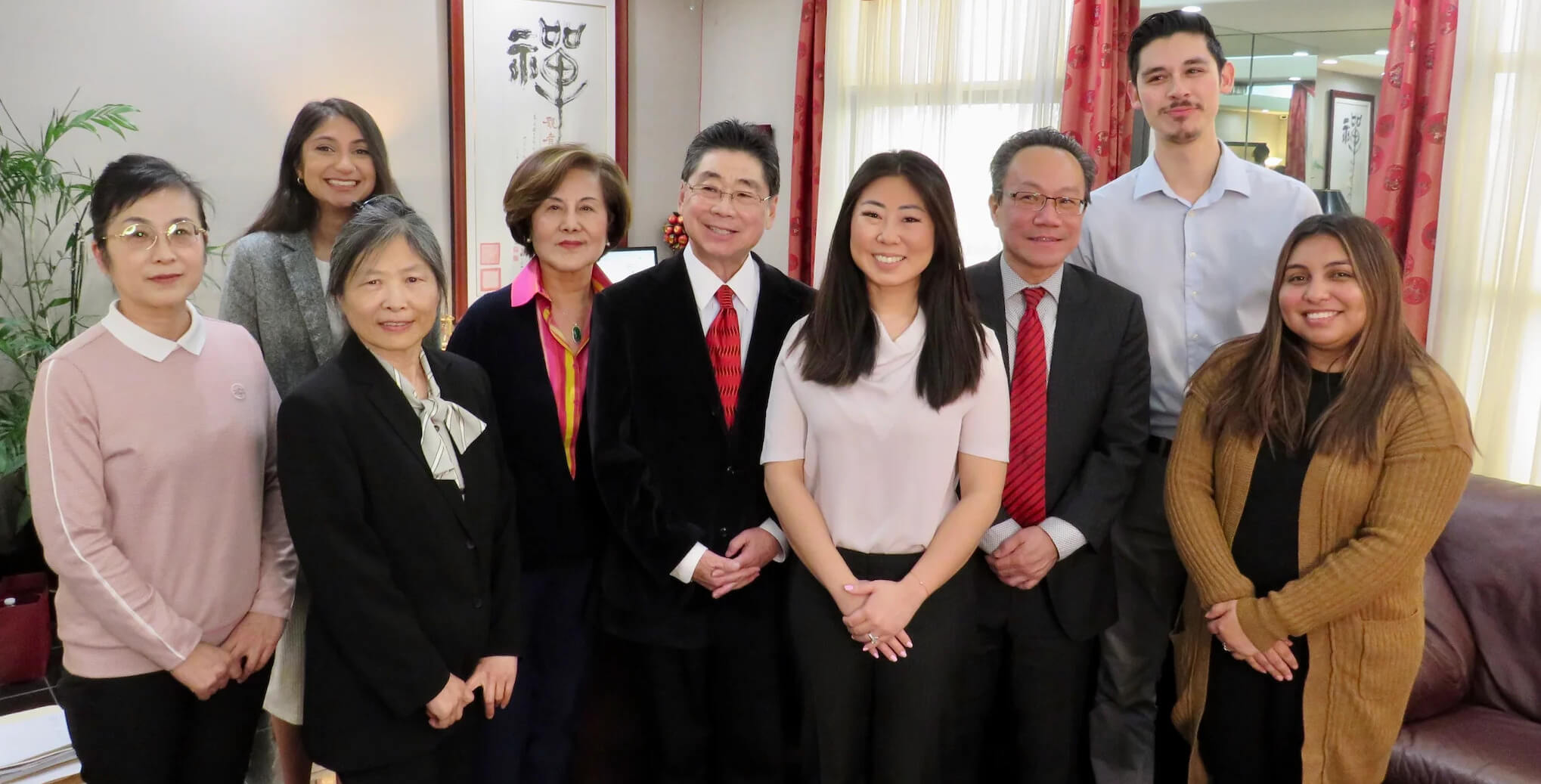
Why Choose Us?
-

Unmatched Expertise
Trust in Peter Chu's 75+ years of collective experience to guide you through complex immigration matters.
-

Tailored Solutions
Our personalized strategies adapt to your unique circumstances, ensuring we meet your specific immigration needs.
-

Proven Success
Benefit from our solid track record in achieving favorable outcomes in various immigration cases across San Diego.
-

Dedicated Service
Experience our client-first approach that ensures constant support and guidance throughout your immigration journey.


Get clear, expert legal guidance tailored to your visa, green card, or citizenship needs.

Inquire now to check if you qualify
Why Whittier Families Choose Licensed Immigration Counsel Over DIY IR-5 Petitions
Families filing IR-5 petitions in Whittier face three main alternatives: self-filing using USCIS instructions and online forums, hiring a notario or immigration consultant, or retaining a California-licensed immigration attorney. Self-filing works well for straightforward cases—U.S.-born petitioner with clear documentation, parent with no criminal history or prior immigration violations, and income well above 125% poverty guidelines. However, USCIS data from 2023 shows that self-filed I-130 petitions receive RFEs (Requests for Evidence) at nearly double the rate of attorney-filed petitions—16.2% vs. 8.7%—and each RFE adds 3–6 months to processing time. Notarios and immigration consultants are prohibited from providing legal advice under California Business and Professions Code Section 6125, cannot represent you in proceedings before USCIS, and frequently cause harm by filing incomplete petitions or advising clients to conceal material facts. Here's the honest answer: If your case involves any complexity—prior visa denials, unlawful presence, criminal history, joint sponsor necessity, or parent residing in a high-refusal consulate country—retaining an IR-5 attorney in Whittier before filing, not after receiving a denial, is the difference between a 12-month approval and a 36-month appeal.
| Approach | Cost | RFE Risk | Waiver Capability | Professional Protection |
|---|---|---|---|
| Self-Filing | $0 legal fees, $535 filing fee | 16.2% RFE rate | Cannot file waivers or appeal denials | None—errors permanent |
| Notario/Consultant | $800–$1,500 | Unknown—no data reporting requirement | Legally prohibited from filing waivers | No attorney-client privilege |
| Licensed Immigration Attorney (Whittier) | $2,500–$4,500 full representation | 8.7% RFE rate | Full waiver and appeal capability | Attorney-client privilege, malpractice insurance, State Bar oversight |
Frequently Asked Questions
Find answers to common questions about our services
-
IR-5 processing time from I-130 filing to immigrant visa issuance averages 12–18 months for consular processing cases and 18–24 months for adjustment of status cases filed in Whittier. The timeline breaks down into three phases: USCIS I-130 petition proce
-
No—you must file separate I-130 petitions for each parent, even if they are married to each other. Each petition requires separate filing fees ($535 per petition as of 2024), separate supporting documentation proving the parent-child relationship for each
-
If the consular officer refuses the visa, you will receive a written refusal notice citing the specific inadmissibility ground under the Immigration and Nationality Act—most commonly Section 212(a)(2) (criminal grounds), Section 212(a)(4) (public charge),
-
The I-864 Affidavit of Support does not require that the sponsored parent reside with you in Whittier, but it does create a legally enforceable financial obligation that lasts until the parent becomes a U.S. citizen, works 40 qualifying quarters (approxim
-
If your parent is in the United States on a nonimmigrant visa (B-2 tourist, for example) while the I-130 petition is pending, they cannot work unless they have separately applied for and received an Employment Authorization Document (EAD) through adjustme
-
IR-5 is the immediate relative category for parents of U.S. citizens—it has no annual numerical limit, no visa bulletin wait, and no priority date retrogression. The petitioner must be a U.S. citizen and at least 21 years old. F3, by contrast, is the fami
-
If you previously filed an F2B petition for your parent when you were a permanent resident and you subsequently naturalized as a U.S. citizen, the petition does not automatically convert to IR-5. You must file a new I-130 petition in the IR-5 category. Ho
-
Your parent must bring to the consular interview: the DS-260 confirmation page, passport valid for at least 6 months beyond intended entry date, two passport-style photos meeting State Department specifications, original civil documents (birth certificate
Need Personalized Immigration Guidance?

