
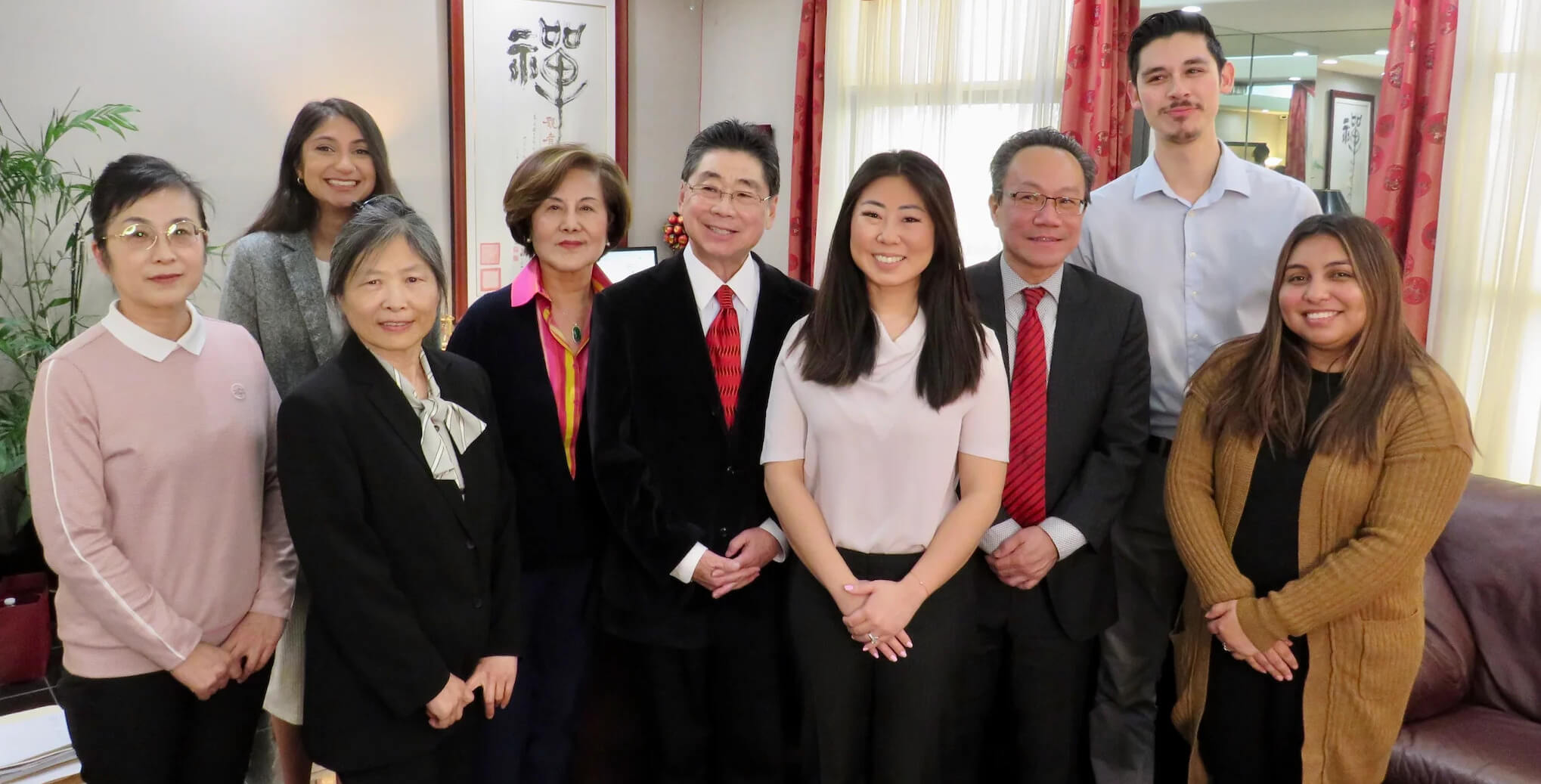
Why Choose Us?
-

Unmatched Expertise
Trust in Peter Chu's 75+ years of collective experience to guide you through complex immigration matters.
-

Tailored Solutions
Our personalized strategies adapt to your unique circumstances, ensuring we meet your specific immigration needs.
-

Proven Success
Benefit from our solid track record in achieving favorable outcomes in various immigration cases across San Diego.
-

Dedicated Service
Experience our client-first approach that ensures constant support and guidance throughout your immigration journey.


Get clear, expert legal guidance tailored to your visa, green card, or citizenship needs.

Inquire now to check if you qualify
IR-5 Lawyer vs. DIY Petition Filing vs. Notario Services in Sunnyvale
Sunnyvale families sponsoring parents face three main pathways: hiring a California-licensed immigration attorney, filing Form I-130 independently using USCIS instructions, or engaging unlicensed notario services that advertise in immigrant communities. Here's the honest answer: DIY filings succeed when the case involves straightforward facts (U.S.-born citizen, biological parent with clear documentation, sufficient W-2 income), but fail at higher rates when income documentation is complex, prior immigration violations exist, or the parent has a non-standard relationship history. Notario services. Often unlicensed under California law. Cannot provide legal advice, represent clients before USCIS, or correct errors after submission, leaving families with rejected petitions and no recourse. An immigration lawyer licensed in California provides legal analysis of admissibility issues, prepares responsive briefs to Requests for Evidence (RFEs), and appears at consular interviews when complications arise.
| Factor | California-Licensed Attorney | DIY Filing | Unlicensed Notario |
|---|---|---|---|
| Legal analysis of bars to admissibility | Full review of unlawful presence, prior removals, fraud | Self-assessment using online guides | No legal analysis provided |
| RFE response preparation | Attorney-drafted briefs with case law citations | Petitioner attempts response without legal training | Often abandoned or incorrectly answered |
| I-864 income documentation for equity compensation | Structured presentation of RSUs, options, joint sponsor coordination | Common errors in asset valuation and household size calculation | No guidance on complex income types |
| Professional Assessment | Required when income is non-W-2, beneficiary has overstays, or case involves stepparent/adoption nuances | Viable only for simple cases with complete documentation and no prior violations | High risk. Unlicensed practice of law, no attorney-client privilege, no malpractice insurance |
Frequently Asked Questions
Find answers to common questions about our services
-
As of 2026, USCIS Form I-130 processing times for IR-5 petitions average 10–14 months from filing to approval, followed by 3–6 months of National Visa Center processing and consular interview scheduling. Total timeline from petition filing to visa issuanc
-
No, a pending I-130 petition does not grant work authorization or lawful status in the United States. If your parent is physically present in the U.S. on a different status (such as a valid B-2 visitor visa), they cannot work unless they hold separate emp
-
You must submit Form I-130 with proof of your U.S. citizenship (birth certificate, U.S. passport, or naturalization certificate), proof of the parent-child relationship (your birth certificate listing the parent, or adoption decree if applicable), and pro
-
No, there is no English language requirement for IR-5 visa applicants. The consular interview is conducted in the applicant's native language with the assistance of a consular interpreter, and all USCIS forms can be completed in English by the petitioner
-
The petitioner must demonstrate household income of at least 125% of the Federal Poverty Guidelines, which for a two-person household in 2026 is $27,450 annually. Household size includes the petitioner, the petitioner's spouse (if any), all dependent chil
-
No, you must file a separate Form I-130 petition for each parent, even if they are married to each other. Each parent is considered an independent beneficiary and requires their own petition, filing fee ($535 per petition as of 2026), and consular process
-
If USCIS denies your I-130 petition, you will receive a written denial notice explaining the reasons, which commonly include insufficient proof of relationship, failure to establish U.S. citizenship, or missing required documentation. You have the right t
-
Criminal history does not automatically disqualify an IR-5 applicant, but certain convictions render the applicant inadmissible under INA Section 212(a), including crimes involving moral turpitude, controlled substance violations, and aggravated felonies.
Need Personalized Immigration Guidance?

