
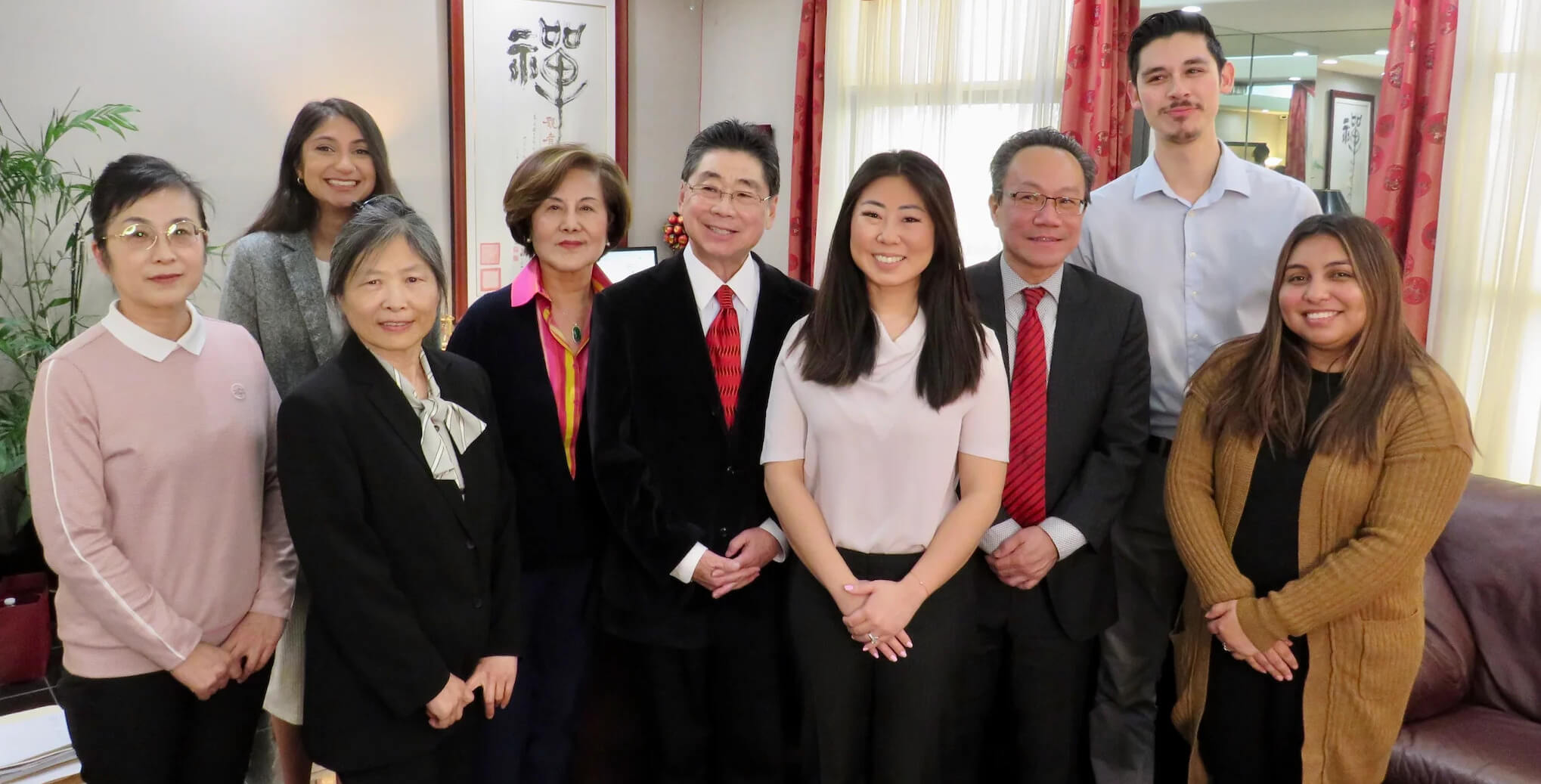
Why Choose Us?
-

Unmatched Expertise
Trust in Peter Chu's 75+ years of collective experience to guide you through complex immigration matters.
-

Tailored Solutions
Our personalized strategies adapt to your unique circumstances, ensuring we meet your specific immigration needs.
-

Proven Success
Benefit from our solid track record in achieving favorable outcomes in various immigration cases across San Diego.
-

Dedicated Service
Experience our client-first approach that ensures constant support and guidance throughout your immigration journey.


Get clear, expert legal guidance tailored to your visa, green card, or citizenship needs.

Inquire now to check if you qualify
IR-5 Parent Visa Temecula: Attorney vs. DIY Filing vs. Notario
Temecula families filing IR-5 petitions face three paths: hiring a licensed immigration lawyer, self-filing using USCIS forms and instructions, or engaging a notario or document preparer. Each approach carries distinct risks and cost structures.
Here's the honest answer: self-filing is viable for straightforward cases. U.S. citizen petitioner with clean immigration and criminal history, parent with no prior visa denials or deportations, and petitioner income well above 125% poverty line. But the 18% RFE rate on self-filed I-130 petitions (compared to 7% for attorney-filed petitions, per AILA 2024 data) reflects how easily errors in evidence presentation or legal conclusions derail cases. Notarios, despite the official-sounding title, are not attorneys in California and cannot provide legal advice; many operate unlicensed and charge attorney-level fees for mere form completion, leaving clients with no malpractice recourse when the petition is denied. Licensed attorneys provide three things the alternatives cannot: legal advice on eligibility and waiver options, protection under attorney-client privilege, and malpractice insurance if errors occur.
| Factor | Licensed Attorney | Self-Filing | Notario/Preparer |
|---|---|---|---|
| Legal advice on eligibility | Yes. Analysis of criminal history, prior denials, public charge factors | No. USCIS instructions only | No. Unauthorized practice of law |
| Form preparation accuracy | Attorney review, error-checking, RFE avoidance strategy | Self-review, USCIS instructions, online forums | Form completion only, no legal review |
| Cost | $2,500–$4,500 flat fee (I-130 through consular interview) | USCIS filing fees only ($535 I-130 + $325 NVC + visa fee) | $800–$2,000 (form prep only, often with hidden upsells) |
| Malpractice protection | Yes. Covered by attorney liability insurance, State Bar oversight | No. Petitioner assumes all risk | No. No insurance, often no recourse for errors |
| Professional Assessment | Best for cases with any complicating factor: prior denials, criminal history, income below threshold, or desire for certainty. The cost difference is recovered in time saved and RFE avoidance. | Viable only for textbook-simple cases with zero complications. High risk of delays from documentation errors. | High risk, no legal protection. Appropriate for zero scenarios requiring legal judgment. |
Frequently Asked Questions
Find answers to common questions about our services
-
The IR-5 timeline from I-130 filing to consular visa issuance typically ranges 9 to 14 months, depending on USCIS processing times, National Visa Center document review speed, and consular interview wait times at the specific U.S. embassy or consulate. As
-
No. Each parent requires a separate Form I-130 petition and separate filing fee, even if both parents will immigrate together. However, if your parents are married to each other, you can note the spousal relationship on each I-130, and the National Visa C
-
An IR-5 visa grants lawful permanent residence (green card status) to your parent, allowing them to live in the United States indefinitely, work without restriction, and eventually naturalize as a U.S. citizen after five years. A B-2 visitor visa allows t
-
You must be a U.S. citizen to file an IR-5 petition (lawful permanent residents cannot sponsor parents), but you do not need to be physically residing in the United States at the time of filing. However, you must demonstrate domicile in the United States
-
A consular visa denial after I-130 approval typically results from issues discovered during the immigrant visa interview. Such as criminal inadmissibility, prior immigration fraud, health-related grounds, or suspicion of document fraud. The consulate will
-
Yes. An IR-5 visa grants immediate lawful permanent resident status upon entry to the United States, and green card holders are authorized to work for any U.S. employer without restriction. Your parent will receive a physical green card by mail within 90
-
Your parent must bring to the consular interview: the appointment letter from the National Visa Center, a valid passport with at least six months validity, two passport-style photographs meeting U.S. visa photo requirements, the completed immigrant medica
-
The public charge rule requires the U.S. citizen petitioner to demonstrate they can financially support the immigrating parent at 125% of the Federal Poverty Guidelines, preventing the parent from becoming primarily dependent on government benefits. This
Need Personalized Immigration Guidance?

