
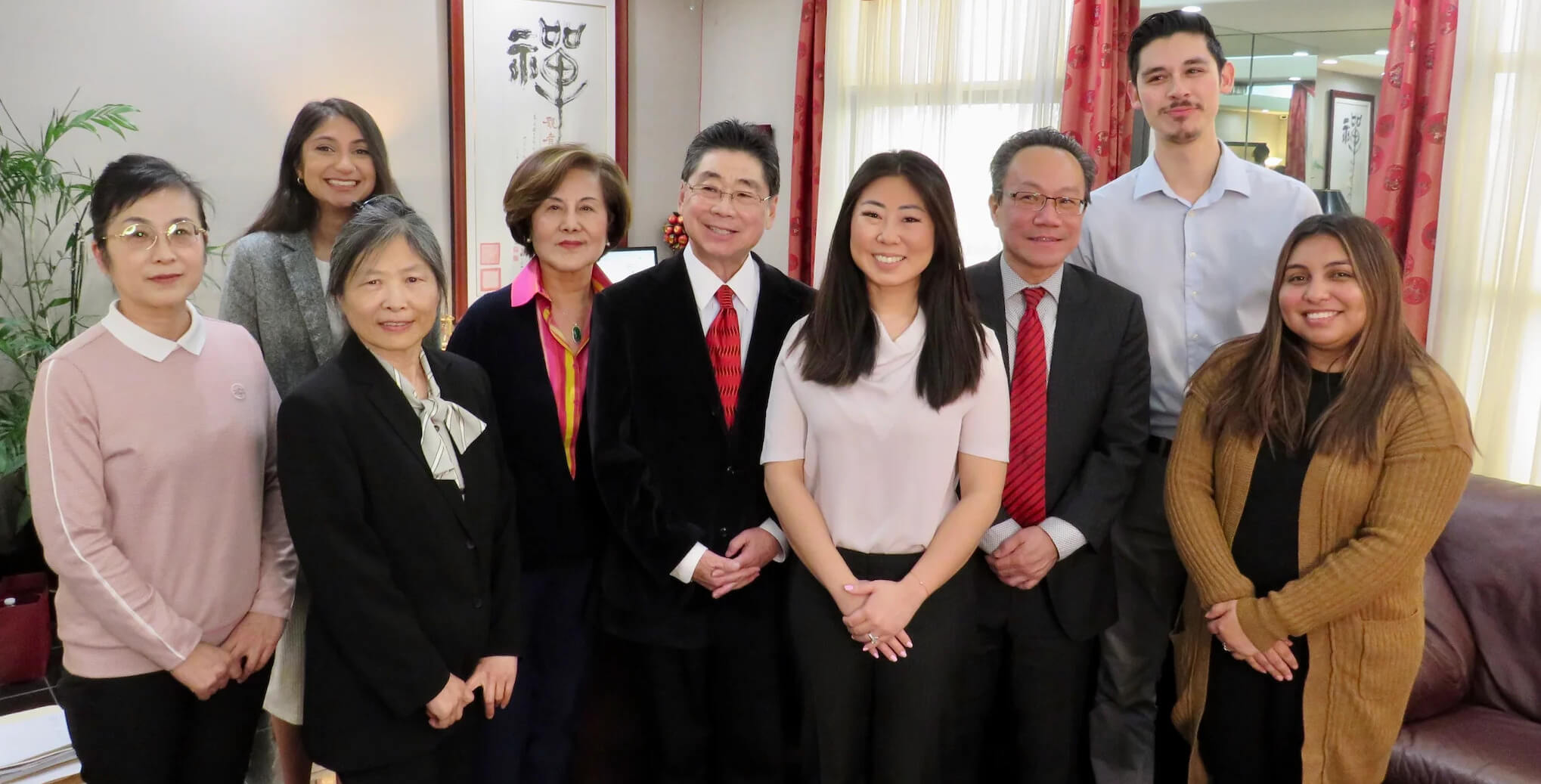
Why Choose Us?
-

Unmatched Expertise
Trust in Peter Chu's 75+ years of collective experience to guide you through complex immigration matters.
-

Tailored Solutions
Our personalized strategies adapt to your unique circumstances, ensuring we meet your specific immigration needs.
-

Proven Success
Benefit from our solid track record in achieving favorable outcomes in various immigration cases across San Diego.
-

Dedicated Service
Experience our client-first approach that ensures constant support and guidance throughout your immigration journey.


Get clear, expert legal guidance tailored to your visa, green card, or citizenship needs.

Inquire now to check if you qualify
K-1 Attorney Austin vs. DIY Filing or Online Document Services
Austin residents filing K-1 fiancé visa petitions face three main options: hiring a licensed immigration attorney, using an online document preparation service, or filing the I-129F petition themselves. Online services (often advertised as 'visa help' or 'immigration forms') are not law firms. They cannot provide legal advice, respond to Requests for Evidence, or represent you if USCIS denies your petition. DIY filing works for straightforward cases with no prior immigration violations, no criminal history, and clear evidence of the in-person meeting requirement. But one missing document or improperly answered question can delay your case by months.
Here's the honest answer: K-1 cases with any complexity. Prior visa denials, criminal history, age-gap relationships, or fiancés from high-scrutiny countries. Require attorney representation from the start, not after USCIS issues a Request for Evidence. The cost of fixing a denied petition (typically requiring a Motion to Reopen or a new filing) far exceeds the cost of proper preparation before submission.
| Option | Legal Advice | RFE Response | Waiver Eligibility | Professional Assessment |
|---|---|---|---|---|
| Licensed Immigration Attorney | Yes. Tailored to your case | Included in representation | Can prepare and file | Best for complex cases, prior denials, or any inadmissibility issues |
| Online Document Service | No. Form completion only | Not available | Not available | Only suitable for simple cases with zero complications |
| DIY Filing | No | You handle alone | You research alone | High risk if you miss a requirement or misunderstand a question |
Frequently Asked Questions
Find answers to common questions about our services
-
The K-1 fiancé visa process from Austin typically takes 12–18 months from I-129F filing to your fiancé's visa interview. USCIS Texas Service Center currently processes I-129F petitions in 6–10 months. After USCIS approval, the National Visa Center (NVC) f
-
The U.S. petitioner must demonstrate income at or above 100% of the Federal Poverty Guidelines for their household size. Lower than the 125% required for most other family-based immigration petitions. For 2026, 100% of the poverty line for a two-person ho
-
No. Your fiancé cannot legally work in the U.S. using only the K-1 visa stamp. To obtain work authorization, you must marry within 90 days of entry and immediately file Form I-485 (Adjustment of Status) along with Form I-765 (Application for Employment Au
-
USCIS requires clear and convincing evidence that you and your fiancé met in person at least once within the two years before filing the I-129F petition. Acceptable evidence includes passport stamps showing entry and exit from each other's countries, date
-
If you do not marry within 90 days of your fiancé's entry on a K-1 visa, the visa automatically expires and your fiancé must leave the U.S. immediately. There is no extension available for the 90-day marriage requirement. It is an absolute deadline set by
-
You are not legally required to hire an attorney to file a K-1 fiancé visa petition. USCIS accepts self-filed petitions. However, K-1 cases with any complexity benefit significantly from attorney representation. If your case involves prior visa denials, c
-
Yes. Your fiancé's unmarried children under age 21 can accompany or follow to join them on K-2 visas, which are derivative visas issued based on the parent's approved K-1 petition. You must list all qualifying children on the original I-129F petition (eve
-
The most common reasons USCIS denies K-1 petitions filed by Austin residents are failure to prove the in-person meeting requirement (insufficient or poorly documented evidence), inability to demonstrate a bona fide relationship (lack of communication reco
Need Personalized Immigration Guidance?

