
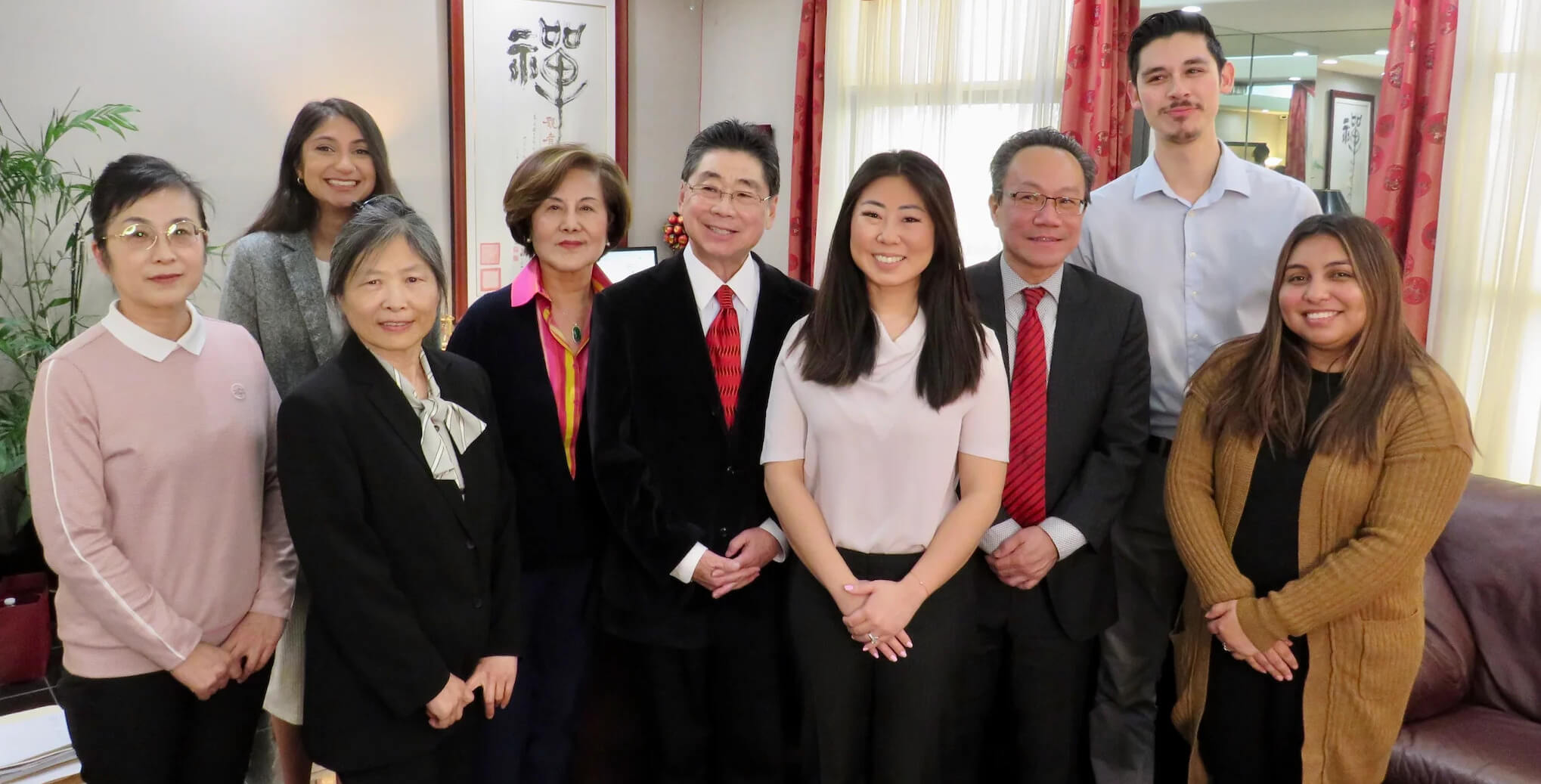
Why Choose Us?
-

Unmatched Expertise
Trust in Peter Chu's 75+ years of collective experience to guide you through complex immigration matters.
-

Tailored Solutions
Our personalized strategies adapt to your unique circumstances, ensuring we meet your specific immigration needs.
-

Proven Success
Benefit from our solid track record in achieving favorable outcomes in various immigration cases across San Diego.
-

Dedicated Service
Experience our client-first approach that ensures constant support and guidance throughout your immigration journey.


Get clear, expert legal guidance tailored to your visa, green card, or citizenship needs.

Inquire now to check if you qualify
Comparing Your K-1 Fiancé Visa Options in Corona
Corona residents navigating K-1 fiancé visa petitions face three main paths: hiring a licensed immigration attorney, using an online document preparation service, or filing the I-129F petition pro se without legal assistance. Each approach carries distinct trade-offs in cost, risk, and case outcome probability.
Here's the honest answer: Online document services can correctly populate USCIS forms, but they cannot evaluate whether your specific relationship evidence will satisfy a consular officer's bona fides assessment or respond to a Request for Evidence that challenges your financial sponsor's income documentation. Pro se filers save attorney fees but absorb the full risk of procedural errors—incorrectly calculating the poverty guideline income requirement, submitting untranslated foreign documents, or failing to disclose prior immigration violations—that result in petition denials requiring expensive motions to reopen. Licensed K-1 attorneys cost more upfront but provide the substantive legal analysis that prevents avoidable denials and the case monitoring that catches missed deadlines before USCIS closes the file.
| Approach | Upfront Cost | USCIS Form Accuracy | RFE Response Capability | Professional Assessment |
|---|---|---|---|---|
| Licensed K-1 Attorney | $3,000–$5,000 | High—attorney reviews every field | Full legal analysis and evidence supplementation | Best for complex cases, prior denials, or beneficiaries from high-scrutiny countries |
| Online Document Prep | $500–$1,200 | Moderate—software catches missing fields | Limited—provides form instructions only | Suitable only for straightforward cases with strong evidence and no complicating factors |
| Pro Se Filing | $535 USCIS fee only | Variable—depends on petitioner's attention to detail | None—petitioner must research law independently | High risk unless petitioner has prior immigration filing experience |
| Notario or Unlicensed Consultant | $800–$2,000 | Low—often submits incomplete evidence | None—cannot represent clients before USCIS | Avoid—unauthorized practice of law, no malpractice recourse |
Frequently Asked Questions
Find answers to common questions about our services
-
The complete K-1 process from I-129F filing to visa issuance averages 12-16 months for Corona petitioners in 2026, broken into three stages: USCIS adjudication (8-12 months), National Visa Center processing (4-8 weeks), and consular interview scheduling (
-
Corona petitioners must demonstrate household income at or above 100% of the federal poverty guideline for their household size, currently $15,060 for a two-person household in 2026. This is proven through the most recent tax return, recent pay stubs, and
-
No—a foreign fiancé entering Corona on a K-1 visa cannot work legally until after marrying the U.S. petitioner and filing Form I-765 Application for Employment Authorization as part of the adjustment of status package. USCIS typically issues the Employmen
-
Failure to marry within 90 days of K-1 entry terminates the visa status and the beneficiary becomes unlawfully present, accruing bars to future immigration benefits. There is no extension available for K-1 status—the 90-day window is statutory and cannot
-
Yes—even beneficiaries from visa waiver countries (UK, France, Germany, Japan, South Korea, Australia, etc.) must obtain a K-1 visa to enter the United States with intent to marry a U.S. citizen. Entering on the Visa Waiver Program or a B-2 tourist visa w
-
USCIS and consular officers evaluate K-1 relationships using evidence in five categories: proof of in-person meetings (passport stamps, boarding passes, hotel receipts, photos together), ongoing communication (screenshots of messages, call logs, video cha
-
Yes—unmarried children under age 21 of the K-1 beneficiary can accompany or follow to join the parent by applying for K-2 derivative visas. The children must be listed on the original I-129F petition—failure to disclose children at the petition stage perm
-
K-1 attorney fees in Corona typically range from $3,000 to $5,000 for full-service representation covering I-129F petition preparation, USCIS correspondence, RFE response if needed, and consular interview preparation. This is separate from the $535 USCIS
Need Personalized Immigration Guidance?

