
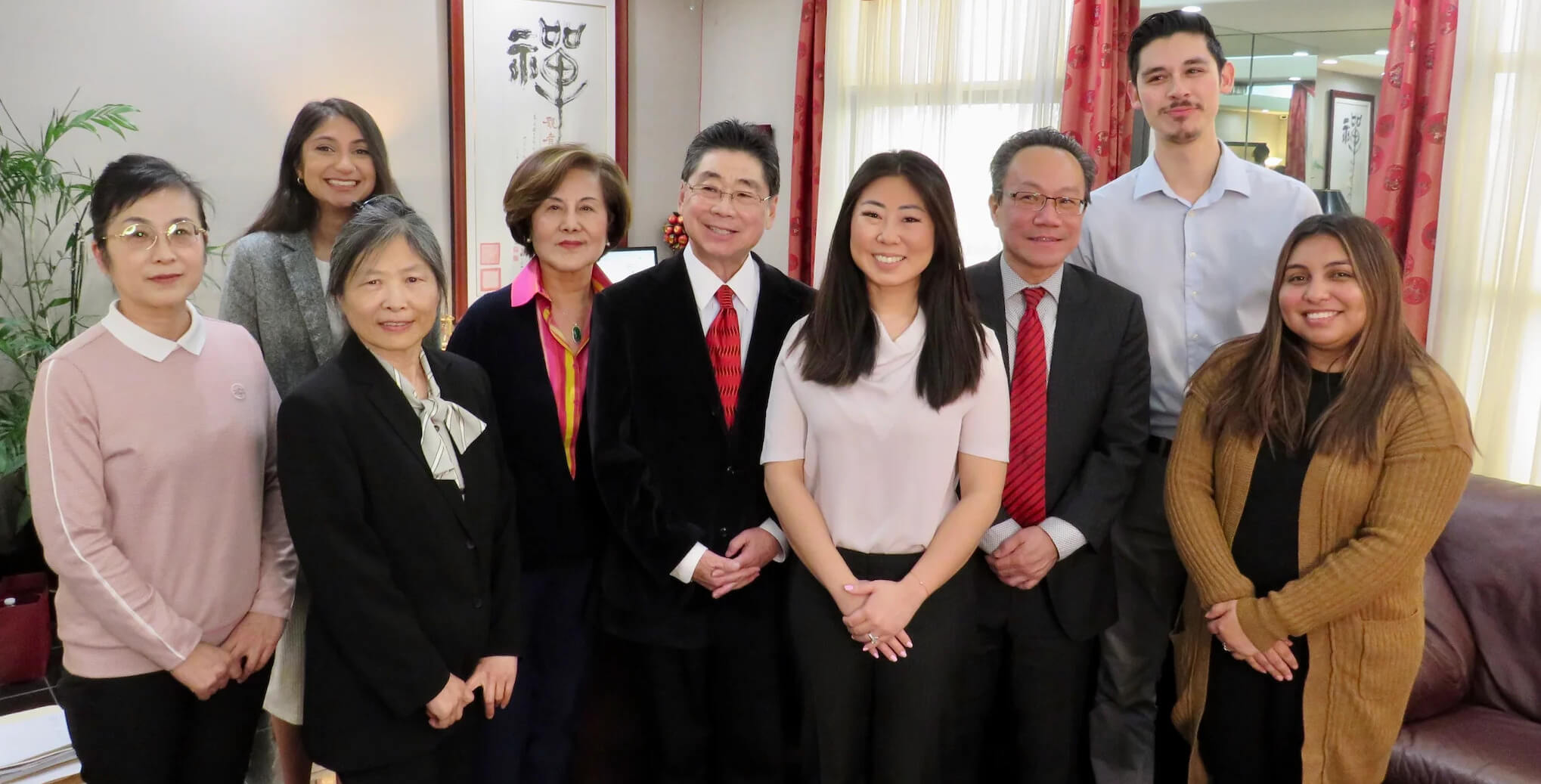
Why Choose Us?
-

Unmatched Expertise
Trust in Peter Chu's 75+ years of collective experience to guide you through complex immigration matters.
-

Tailored Solutions
Our personalized strategies adapt to your unique circumstances, ensuring we meet your specific immigration needs.
-

Proven Success
Benefit from our solid track record in achieving favorable outcomes in various immigration cases across San Diego.
-

Dedicated Service
Experience our client-first approach that ensures constant support and guidance throughout your immigration journey.


Get clear, expert legal guidance tailored to your visa, green card, or citizenship needs.

Inquire now to check if you qualify
K-1 Fiancé Visa: Self-Filing vs. Immigration Attorney in Dublin
Dublin residents filing I-129F petitions have three options: prepare the petition themselves using USCIS instructions, hire a visa processing service or notary, or retain a licensed immigration attorney. Self-filing saves upfront legal fees but exposes petitioners to evidence omissions, procedural errors, and RFE risk that frequently cost more to remedy than the original attorney fee would have been. Visa processing services and notaries cannot provide legal advice, cannot represent you in USCIS proceedings, and are not liable for errors in the petition. They are administrative assistants, not advocates.
Here's the honest answer: K-1 fiancé visa petitions are immigration petitions subject to full USCIS adjudication and consular review. Not administrative forms. A single missing document, an incomplete relationship timeline, or a poorly drafted intent-to-marry statement can result in RFEs, administrative processing, or denials that delay your fiancé's entry by six months or more. Licensed immigration attorneys draft petitions that anticipate USCIS scrutiny, organize evidence in the sequence adjudicators expect, and provide representation if issues arise during processing. For Dublin couples with prior visa denials, criminal history, or complex relationship timelines, attorney representation is not optional. It's the difference between approval and refusal.
| Filing Method | Legal Advice | USCIS Representation | RFE Response Support | Consular Interview Prep | Professional Assessment |
|---|---|---|---|---|---|
| Self-Filing | No | No | No | No | High risk for complex cases. Suitable only for straightforward petitions with no complicating factors |
| Visa Service / Notary | No (unauthorized practice) | No | Limited/None | No | Administrative support only. Not legal representation, not liable for errors |
| Licensed Immigration Attorney | Yes | Yes | Yes | Yes | Full legal representation. Attorney accountable for petition quality, procedural compliance, and outcome advocacy |
Frequently Asked Questions
Find answers to common questions about our services
-
The total processing timeline for a K-1 fiancé visa petition filed by Dublin residents averages 12–18 months from I-129F filing to visa issuance, though individual timelines vary based on USCIS processing speeds and consular workload at the beneficiary's
-
The USCIS filing fee for Form I-129F is $675 as of 2026, paid by check or money order at the time of filing. This fee covers only the petition. It does not include the DS-160 visa application fee ($265 paid to the State Department), the medical examinatio
-
No. K-1 visa holders are not automatically authorized to work upon entry to the United States. Your fiancé may apply for work authorization only after marriage by filing Form I-765 (Application for Employment Authorization) concurrently with Form I-485 (a
-
K-1 visa status expires exactly 90 days after the beneficiary's initial entry to the United States, and the visa cannot be extended under any circumstances. If you do not marry within the 90-day window, your fiancé must depart the United States immediatel
-
Even straightforward K-1 petitions benefit from attorney review, because USCIS evaluates every petition for relationship bona fides, two-year meeting compliance, and intent to marry. And what appears straightforward to a petitioner often contains evidenti
-
USCIS requires objective documentary evidence that you and your fiancé met face-to-face at least once within the two years preceding the I-129F filing date. Acceptable evidence includes: passport stamps showing entry and exit dates, airline boarding passe
-
Yes. Your fiancé's unmarried children under age 21 may be included in the K-1 petition as derivative beneficiaries by listing them on Form I-129F at the time of initial filing. Each child receives a K-2 visa and enters the United States with or after the
-
A K-1 fiancé visa allows your fiancé to enter the United States for the purpose of marriage, after which they adjust status to permanent residence. A CR-1 spouse visa requires that you marry abroad before filing the petition, and your spouse receives a gr
Need Personalized Immigration Guidance?

