
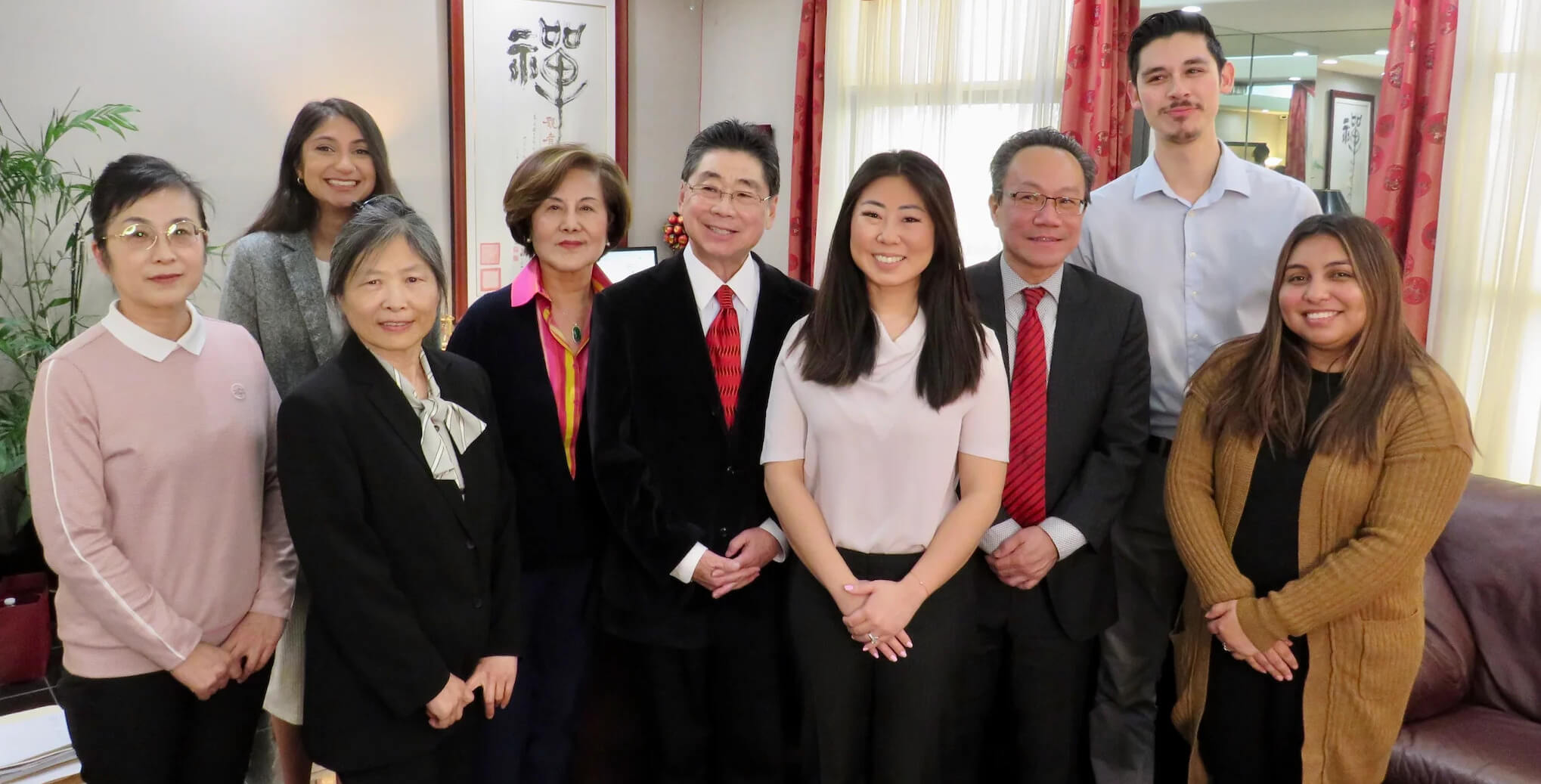
Why Choose Us?
-

Unmatched Expertise
Trust in Peter Chu's 75+ years of collective experience to guide you through complex immigration matters.
-

Tailored Solutions
Our personalized strategies adapt to your unique circumstances, ensuring we meet your specific immigration needs.
-

Proven Success
Benefit from our solid track record in achieving favorable outcomes in various immigration cases across San Diego.
-

Dedicated Service
Experience our client-first approach that ensures constant support and guidance throughout your immigration journey.


Get clear, expert legal guidance tailored to your visa, green card, or citizenship needs.

Inquire now to check if you qualify
Choosing K-1 Representation: Attorney vs. DIY Filing vs. Document Service
Pico Rivera couples pursuing a K-1 fiancé visa have three primary options: hiring a California-licensed immigration attorney, filing the petition pro se (self-filing), or using a non-attorney document preparation service. Each pathway carries different risks, costs, and success probabilities.
Here's the honest answer: DIY filing is viable for straightforward cases with strong documentation, no prior immigration violations, and couples confident in their ability to interpret USCIS form instructions and policy guidance. However, a single error in relationship evidence presentation, financial sponsorship calculation, or disclosure of prior visa denials can trigger an RFE or outright denial. Adding months to the timeline and requiring professional intervention to correct. Non-attorney document services cannot provide legal advice, cannot represent you before USCIS or the consulate, and are prohibited from interpreting immigration law under unauthorized practice statutes. If your case involves any complexity. Prior overstay, criminal history, previous visa refusals, or weak relationship evidence. Self-filing is a false economy.
| Factor | Licensed Attorney | DIY Filing | Document Prep Service |
|---|---|---|---|
| Legal representation before USCIS | Yes. Full advocacy | No | No |
| RFE response drafting | Yes. Tailored legal argument | Self-prepared | Template guidance only |
| Consular interview prep | Yes. Case-specific coaching | Self-research | Not provided |
| Professional Assessment | Best for complex cases, prior denials, or high-stakes outcomes | Viable only for simple, well-documented cases | High risk. No legal protection |
Law office of Peter Darwin Chu provides licensed representation, USCIS compliance review, and direct communication with consular officers when procedural issues arise. Services that document mills and self-filing cannot replicate.
Frequently Asked Questions
Find answers to common questions about our services
-
The K-1 process involves two primary stages: USCIS adjudication of Form I-129F and consular processing of the visa application. As of 2026, USCIS processing for I-129F petitions filed by Pico Rivera residents averages 8–12 months at California Service Cen
-
A complete I-129F petition requires proof of U.S. citizenship (passport or birth certificate), evidence that both parties are legally free to marry (divorce decrees or death certificates if previously married), proof of in-person meeting within the past t
-
No. A K-1 visa applicant cannot work in the U.S. until they enter on the K-1 visa, marry the U.S. citizen petitioner, and file Form I-765 (Application for Employment Authorization) as part of the adjustment of status package. The K-1 visa itself does not
-
Consular visa denials are governed by INA Section 221(g) (administrative processing) or Section 212(a) (grounds of inadmissibility). If the denial is based on 212(a) grounds. Such as criminal history, prior immigration violations, or misrepresentation. Th
-
Yes. The U.S. citizen petitioner must demonstrate the ability to financially support the foreign fiancé at 100% of the federal poverty guideline for their household size by filing Form I-134 (Affidavit of Support) at the consular interview stage. Although
-
Technically yes, but it is legally and procedurally risky. Filing a K-1 petition while the foreign fiancé is present in the U.S. on a B-2 tourist visa can raise concerns about visa fraud and preconceived intent to immigrate. Violations of the terms of the
-
A K-1 visa allows a foreign fiancé to enter the U.S. to marry a U.S. citizen within 90 days, after which they apply for adjustment of status. A spousal visa (CR-1 or IR-1) is an immigrant visa issued to someone already married to a U.S. citizen, allowing
-
A Request for Evidence is a notice from USCIS indicating that the I-129F petition lacks sufficient documentation or clarity on a specific issue. Commonly relationship evidence, proof of in-person meeting, or legal capacity to marry. An experienced attorne
Need Personalized Immigration Guidance?

