
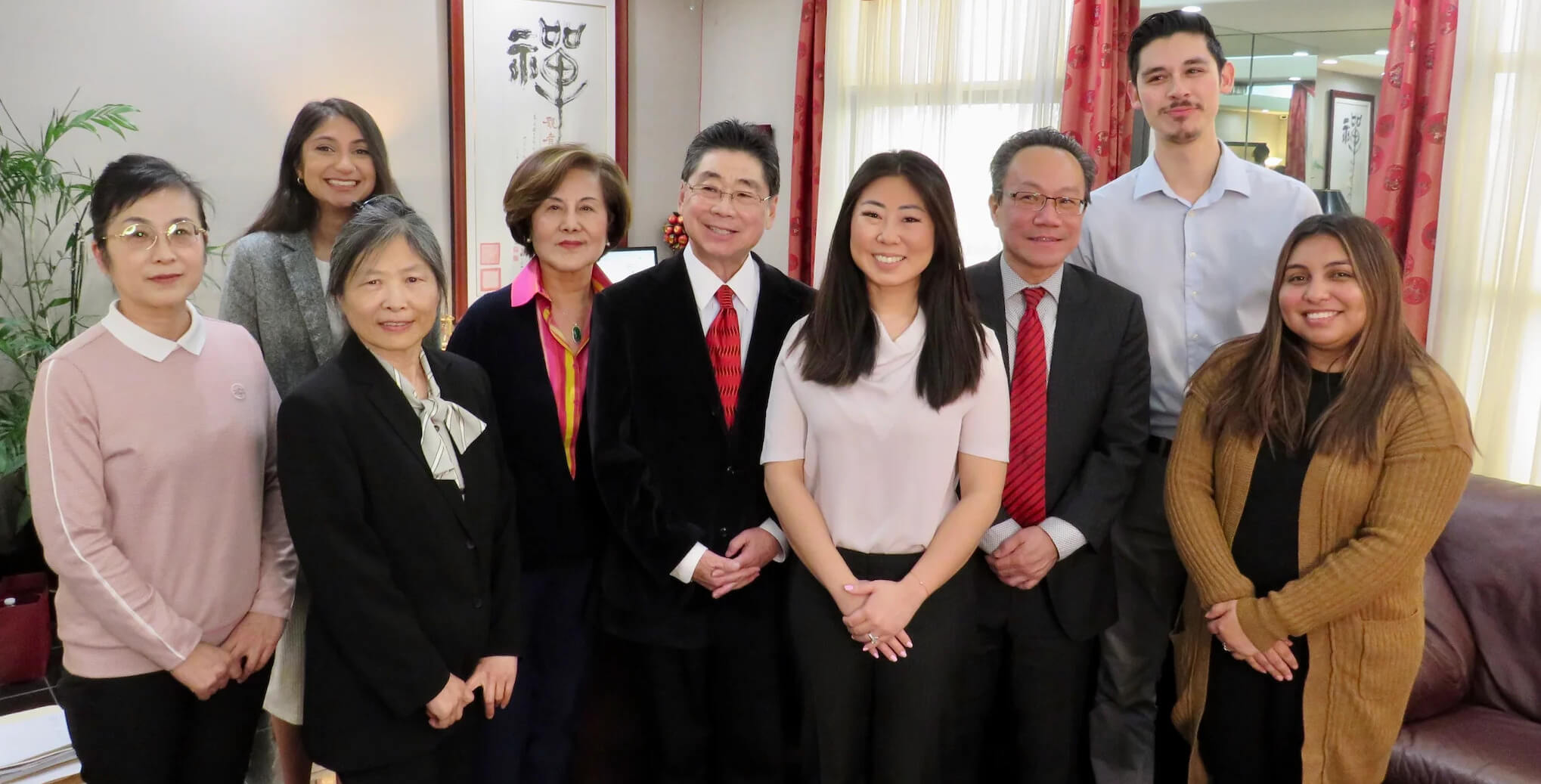
Why Choose Us?
-

Unmatched Expertise
Trust in Peter Chu's 75+ years of collective experience to guide you through complex immigration matters.
-

Tailored Solutions
Our personalized strategies adapt to your unique circumstances, ensuring we meet your specific immigration needs.
-

Proven Success
Benefit from our solid track record in achieving favorable outcomes in various immigration cases across San Diego.
-

Dedicated Service
Experience our client-first approach that ensures constant support and guidance throughout your immigration journey.


Get clear, expert legal guidance tailored to your visa, green card, or citizenship needs.

Inquire now to check if you qualify
K-1 Attorney Pittsburgh vs. DIY Filing or Visa Consultants
Pittsburgh K-1 petitioners face three paths: hiring a licensed immigration attorney, filing the petition themselves using USCIS instructions and online guides, or working with a visa consultant or document preparation service. Here's the honest answer: K-1 petitions have a 15–20% Request for Evidence (RFE) rate when filed pro se, compared to under 5% when filed by experienced immigration counsel, according to USCIS administrative data. And RFEs add 3–6 months to processing time. Visa consultants and notarios are not attorneys, cannot provide legal advice, and cannot represent you before USCIS or in immigration court if your case is denied or your fiancé is placed in removal proceedings. The cost difference between DIY filing ($535 USCIS fee only) and attorney representation ($2,500–$4,500 flat fee) is smaller than the cost of a denied petition, missed consular interview, or adjustment of status denial that requires federal court appeal.
| Factor | Licensed K-1 Attorney Pittsburgh | DIY Filing (Pro Se) | Visa Consultant / Notario | Professional Assessment |
|---|---|---|---|---|
| Legal representation before USCIS | Yes. Attorney of record | No. Petitioner represents self | No. Not authorized to practice law | Only attorneys can represent you if USCIS denies or issues RFE |
| Consular interview coaching | Included. Embassy-specific prep | None. Petitioner researches independently | Sometimes offered but not legally protected | Consular officers ask aggressive questions. Preparation prevents refusals |
| Attorney-client privilege | Yes. All communications protected by PA law | No privilege. USCIS can access all records | No privilege. Consultant can be subpoenaed | Only attorney communications are confidential under Pennsylvania Rules of Professional Conduct |
| Average RFE rate | Under 5% with experienced counsel | 15–20% (USCIS data) | Unknown. Varies by provider | RFEs add 3–6 months to processing time. Prevention is cheaper than correction |
Frequently Asked Questions
Find answers to common questions about our services
-
Current K-1 processing times in 2026 average 12–16 months from I-129F filing to visa issuance, though this varies by USCIS service center and the consulate where your fiancé interviews. USCIS takes 8–12 months to adjudicate Form I-129F, followed by 2–3 mo
-
Total K-1 costs typically range $3,500–$5,500 including attorney fees and government filing fees. USCIS charges $535 for Form I-129F, the National Visa Center charges $265 for DS-160 processing, the consulate charges a $265 K-1 visa fee, and the medical e
-
No. K-1 visa holders are not authorized to work until they file Form I-765 (Application for Employment Authorization) as part of their adjustment of status package after marriage. Current I-765 processing times are 4–6 months, meaning most K-1 beneficiari
-
Consular visa denials under Section 221(g) (administrative processing or incomplete documentation) can often be overcome by submitting additional evidence. The consulate will provide a written explanation of what is needed. Denials under Section 212(a) gr
-
Yes. You must demonstrate income at 100% of the Federal Poverty Guidelines for your household size (125% for immigrant visa sponsors, but K-1 petitioners need only 100%). For a household of two (you and your fiancé), the 2026 poverty guideline is approxim
-
Yes. You can file Form I-129F while your fiancé is in the United States on a B-2 tourist visa, but your fiancé must return to their home country for consular processing and cannot adjust status directly from inside the U.S. on a K-1 petition. USCIS and co
-
K-1 consular interviews require: a valid passport, DS-160 confirmation page, interview appointment letter, Form I-129F approval notice, birth certificate, police certificates from every country where your fiancé lived for 6+ months since age 16, divorce o
-
K-1 fiancé visas allow your fiancé to enter the United States in 12–16 months and marry here, but require adjustment of status filing after entry. Spousal immigrant visas (CR-1 or IR-1) require that you marry abroad first, but your spouse enters as a perm
Need Personalized Immigration Guidance?

