
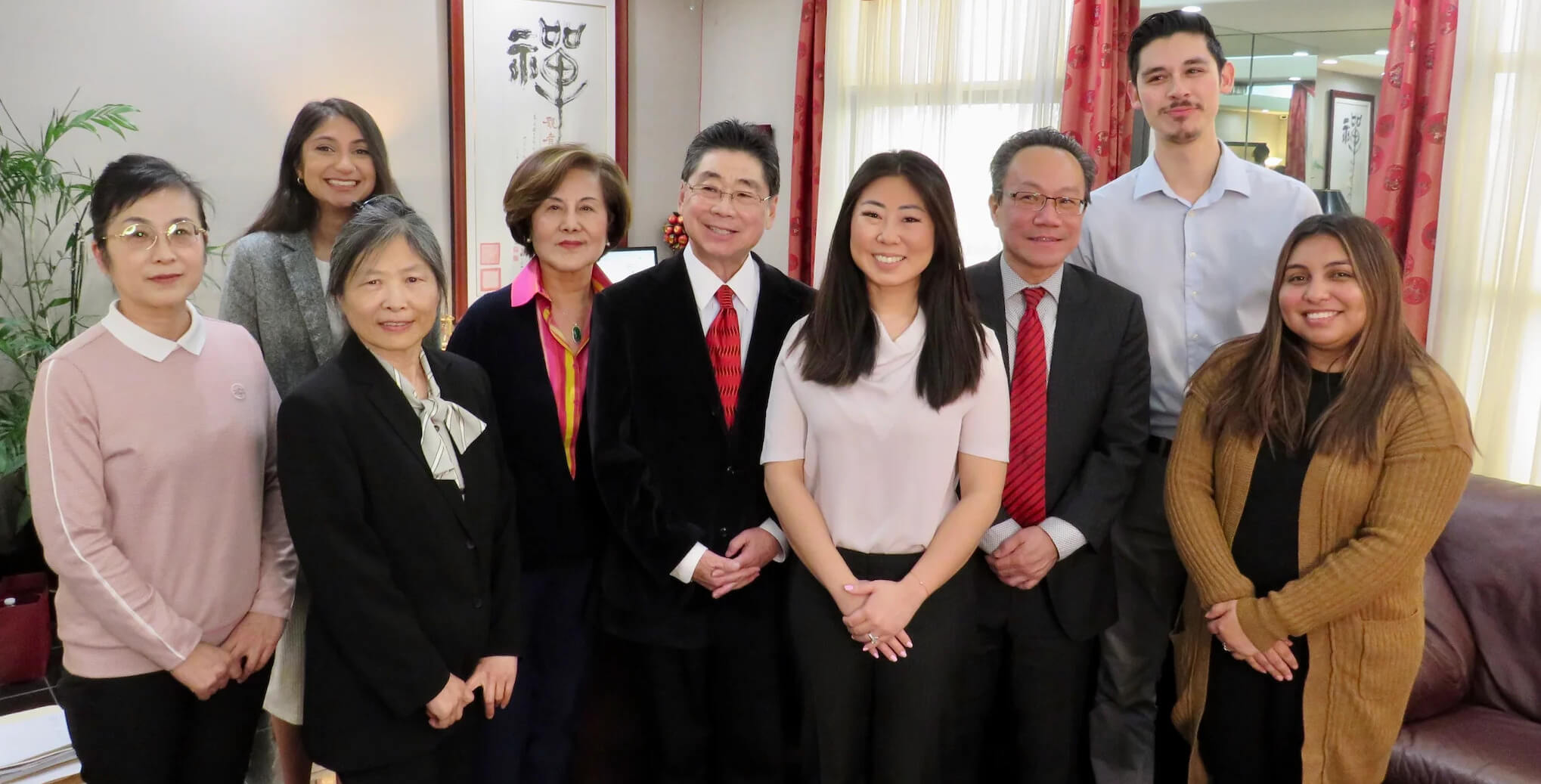
Why Choose Us?
-

Unmatched Expertise
Trust in Peter Chu's 75+ years of collective experience to guide you through complex immigration matters.
-

Tailored Solutions
Our personalized strategies adapt to your unique circumstances, ensuring we meet your specific immigration needs.
-

Proven Success
Benefit from our solid track record in achieving favorable outcomes in various immigration cases across San Diego.
-

Dedicated Service
Experience our client-first approach that ensures constant support and guidance throughout your immigration journey.


Get clear, expert legal guidance tailored to your visa, green card, or citizenship needs.

Inquire now to check if you qualify
Why Portland Couples Choose Licensed K-1 Counsel Over DIY Filing or Visa Consultants
Portland residents preparing K-1 fiancé visa petitions face a choice: handle the I-129F filing independently using USCIS instructions, hire a non-attorney visa consultant or document preparer, or retain a licensed immigration attorney. Each path carries different risk profiles and cost structures.
Here's the honest answer: DIY K-1 filings work well for straightforward cases—U.S. citizen petitioner with no prior marriages, foreign fiancé with no criminal history or prior visa denials, clear evidence of an in-person meeting, and a relationship timeline that needs no explanation. The moment your case involves complexity—prior immigration violations, a beneficiary from a high-fraud country, a significant age gap, or unclear intent to marry—an attorney's role shifts from optional to essential. Visa consultants and notarios cannot provide legal advice, represent you before USCIS, or appear at your adjustment interview—they can only help you fill out forms you could complete yourself. Licensed immigration attorneys assess inadmissibility issues, draft legal arguments in response to Requests for Evidence, and represent you if your case is referred to immigration court.
| Filing Method | Upfront Cost | RFE Risk | Consular Interview Prep | Adjustment Representation | Professional Assessment |
|---|---|---|---|---|
| DIY (Self-Filing) | $535 USCIS fee only | High—USCIS issues RFEs in 30%+ of pro se K-1 cases | None—you research consular requirements independently | None—you attend Portland USCIS interview alone | Best for textbook-simple cases with zero complexity. One missing document or unclear affidavit can delay approval by 3–6 months. |
| Visa Consultant / Notario | $500–$1,200 + filing fees | Moderate—they complete forms but cannot advise on evidence strategy | Limited—cannot provide legal guidance on consular officer concerns | None—not authorized to represent clients before USCIS | Helpful for translation and form completion, but cannot respond to legal challenges or represent you if issues arise. Choose only if your case is simple and you need administrative help, not legal counsel. |
| Licensed K-1 Immigration Attorney | $2,500–$5,000 full representation | Low—attorneys compile evidence packages that anticipate common scrutiny points | Included—mock interviews, document review, country-specific consular guidance | Included—representation at Portland adjustment interview | Essential for cases with any complexity—prior denials, criminal history, age gaps, or high-fraud nationality. The cost of an attorney is almost always smaller than the cost of a denied petition and restarting the process from zero. |
The economic case for an attorney becomes clearer when you calculate the cost of mistakes. A denied I-129F requires re-filing from scratch—another $535 fee, another 6–12 month wait, and no guarantee the second petition will succeed without addressing the reason for the first denial. An RFE adds 2–4 months to processing time and requires a legal-quality response in 87 days or the petition is automatically denied. Portland couples with even minor complications benefit from representation that addresses issues before they become denials.
Frequently Asked Questions
Find answers to common questions about our services
-
Current K-1 processing timelines average 10–14 months from I-129F filing to consular interview—though this varies significantly by USCIS service center and the beneficiary's country. Portland petitions filed with the California Service Center (which handl
-
Your immigration attorney will request proof of U.S. citizenship (passport or birth certificate), evidence of legal termination of any prior marriages (divorce decrees, death certificates), photographs of you and your fiancé together spanning the relation
-
No. Your fiancé cannot work in the U.S. on K-1 status until after you marry and they file Form I-765 (Application for Employment Authorization) as part of the adjustment of status package. The K-1 visa is a single-purpose visa—entry for the sole purpose o
-
If your relationship ends after your fiancé enters the U.S. on a K-1 visa but before you marry, your fiancé must depart the U.S. before the 90-day validity period expires—there is no provision to extend K-1 status or change to another visa category if the
-
Yes. As the petitioner, you must demonstrate income of at least 125% of the Federal Poverty Guidelines for your household size—currently $24,650 for a household of two (you and your fiancé) in 2026. This requirement is enforced at the adjustment of status
-
International travel after K-1 entry but before adjustment approval is strongly discouraged and legally risky. The K-1 visa is a single-entry visa—if your fiancé departs the U.S. after using it to enter, they cannot re-enter on the same visa. Traveling be
-
The K-1 allows your fiancé to enter the U.S. to marry you within 90 days, after which they adjust status to permanent resident—total timeline to green card is typically 14–18 months from petition filing. The CR-1 (or IR-1 for marriages over two years old)
-
USCIS and consular officers scrutinize K-1 petitions involving significant age gaps (typically 15+ years) more closely due to concerns about relationship authenticity and potential marriage fraud. A k-1 attorney in portland addresses this by compiling a r
Need Personalized Immigration Guidance?

