
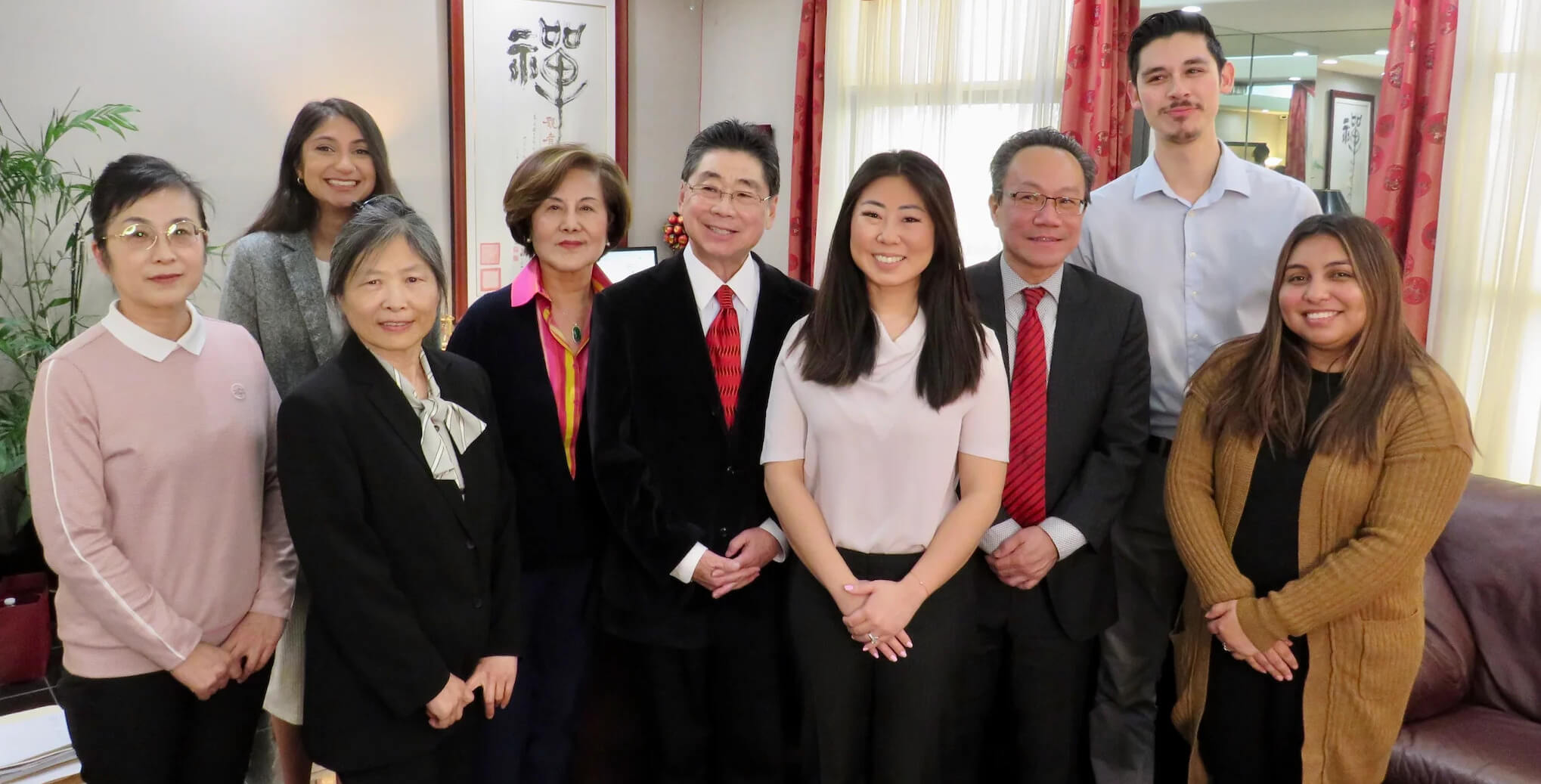
Why Choose Us?
-

Unmatched Expertise
Trust in Peter Chu's 75+ years of collective experience to guide you through complex immigration matters.
-

Tailored Solutions
Our personalized strategies adapt to your unique circumstances, ensuring we meet your specific immigration needs.
-

Proven Success
Benefit from our solid track record in achieving favorable outcomes in various immigration cases across San Diego.
-

Dedicated Service
Experience our client-first approach that ensures constant support and guidance throughout your immigration journey.


Get clear, expert legal guidance tailored to your visa, green card, or citizenship needs.

Inquire now to check if you qualify
K-1 Fiancé Visa vs. Spousal Visa vs. DIY Petition: What San Jose Couples Should Know
San Jose couples often ask whether to pursue the K-1 fiancé visa, the CR-1/IR-1 spousal visa, or file the petition themselves without an attorney. Here's the honest answer: the K-1 is faster to initial U.S. entry (6–9 months) but requires adjustment of status after arrival, adding cost and time before your fiancé receives a green card. The CR-1 spousal visa takes 12–15 months but grants permanent residence immediately upon entry, eliminating the adjustment process. DIY petitions work for straightforward cases with minimal complications, but any prior visa denial, criminal history, age-gap relationship, or short courtship period dramatically increases the risk of Requests for Evidence or outright denial. For couples with documentation challenges, attorney preparation is not a luxury. It's the difference between approval and a 6-month RFE delay.
| Factor | K-1 Fiancé Visa | CR-1 Spousal Visa | DIY Petition | Professional Assessment |
|---|---|---|---|---|
| Time to U.S. Entry | 6–9 months | 12–15 months | Same timeline, higher RFE risk | K-1 wins for speed; CR-1 wins for immediate work authorization |
| Work Authorization | Requires I-765 after arrival (3–5 months) | Immediate upon entry with green card | No difference in timeline | CR-1 eliminates the work permit wait |
| Attorney Oversight | Case-specific review, RFE prevention | Case-specific review, RFE prevention | No professional review before submission | Attorney review cuts RFE rates by 60–70% in complex cases |
| Total Cost | $2,000–$3,500 (petition + adjustment) | $1,500–$2,800 (petition only) | $0 legal fees, but higher failure cost | CR-1 is cheaper overall; DIY is false economy for complicated cases |
Frequently Asked Questions
Find answers to common questions about our services
-
The K-1 fiancé visa timeline from I-129F filing to U.S. entry averages 6–9 months in 2026, though San Francisco field office processing times fluctuate based on USCIS workload. After USCIS approval (3–6 months), the case transfers to the National Visa Cen
-
Our San Jose K-1 attorney requires proof of U.S. citizenship (passport or birth certificate), evidence of your in-person meeting within two years (photos, travel receipts, boarding passes), relationship documentation (chat logs, emails, photos spanning th
-
Yes, the U.S. petitioner (you) can work normally while the K-1 petition is pending. Filing the I-129F does not affect your employment status. However, your fiancé abroad cannot work in the U.S. until after they enter on the K-1 visa, marry you within 90 d
-
K-1 attorney fees in San Jose typically range from $1,500 to $3,000 for full-service representation covering I-129F petition preparation, USCIS correspondence, consular interview coaching, and adjustment of status guidance. This does not include USCIS fil
-
Consular visa denials are rare but occur when the consular officer believes the relationship is not bona fide, when inadmissibility issues surface, or when required documents are missing. If denied, your fiancé receives a written explanation under Section
-
Yes, your fiancé's unmarried children under 21 can accompany or follow the primary K-1 applicant on K-2 derivative visas. You must list all qualifying children on the initial I-129F petition. They cannot be added later. Each K-2 child receives their own v
-
Yes, the U.S. petitioner must demonstrate the ability to financially support the foreign fiancé at 100% of the Federal Poverty Guidelines using Form I-134 Affidavit of Support. For a household of two in 2026, this means an annual income of approximately $
-
The K-1 visa is for fiancés who intend to marry a U.S. citizen within 90 days of entering the U.S. The K-3 visa is for spouses of U.S. citizens who are already married but waiting for an immigrant visa (CR-1/IR-1) to be processed. K-3 visas are now extrem
Need Personalized Immigration Guidance?

