
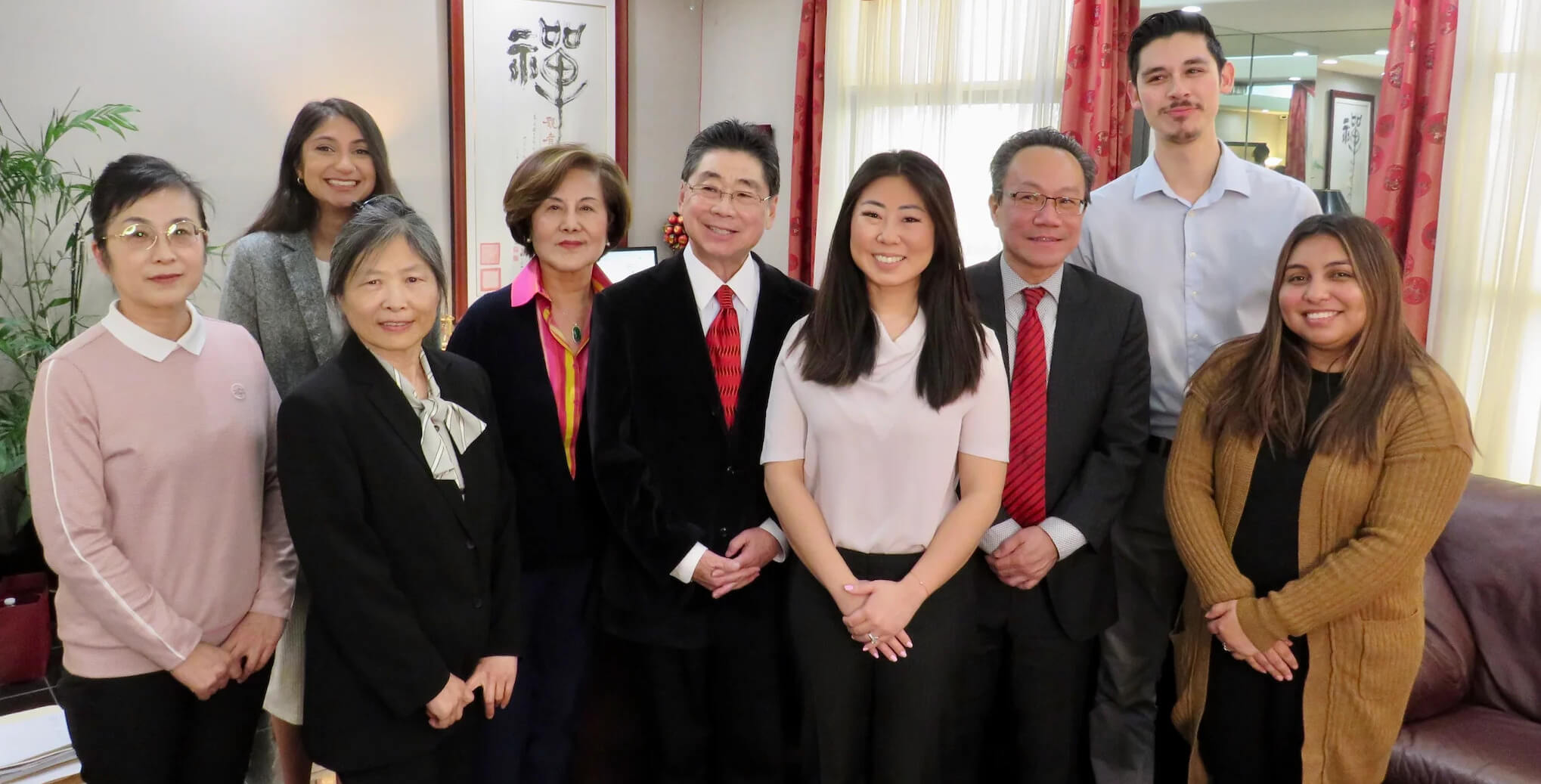
Why Choose Us?
-

Unmatched Expertise
Trust in Peter Chu's 75+ years of collective experience to guide you through complex immigration matters.
-

Tailored Solutions
Our personalized strategies adapt to your unique circumstances, ensuring we meet your specific immigration needs.
-

Proven Success
Benefit from our solid track record in achieving favorable outcomes in various immigration cases across San Diego.
-

Dedicated Service
Experience our client-first approach that ensures constant support and guidance throughout your immigration journey.


Get clear, expert legal guidance tailored to your visa, green card, or citizenship needs.

Inquire now to check if you qualify
Comparing K-1 Visa Options in Houston: DIY Filing vs. Licensed Immigration Attorney
Houston residents filing K-1 fiancé visa petitions often weigh three approaches: filing the I-129F petition independently using USCIS online resources, hiring a document preparation service or notario, or retaining a licensed Texas immigration attorney. Here's the honest answer: the I-129F petition itself is not legally complex, and many couples with straightforward cases—first marriage for both parties, clear meeting evidence, stable income—successfully file pro se. But the K-1 process has three stages where attorney guidance consistently improves outcomes: responding to USCIS Requests for Evidence (where incomplete responses result in denials roughly 40% of the time), preparing for the consular interview (where credibility determinations are made in minutes based on documentation and demeanor), and navigating adjustment of status after entry (where Houston couples must file I-485, I-765, and I-131 correctly within the 90-day marriage window to avoid falling out of status). Document preparation services cannot provide legal advice, cannot represent you before USCIS or at the consulate, and are not bound by attorney ethical rules or malpractice insurance. A licensed immigration attorney can.
| Approach | I-129F Prep | RFE Response | Consular Prep | Adjustment Support | Professional Assessment |
|---|---|---|---|---|---|
| DIY Filing | USCIS instructions | Self-drafted | Online research | Self-filed | Works for simple cases; high risk if complications arise |
| Document Prep Service | Template forms | No legal advice | Checklist only | No support | Cannot represent you; no recourse if filing errors occur |
| Licensed TX Attorney | Evidence review | Legal response | Interview coaching | Full filing | Comprehensive representation; accountability under TX Bar rules |
Frequently Asked Questions
Find answers to common questions about our services
-
As of 2026, Houston petitioners filing through USCIS Texas Service Center experience average I-129F processing times of 8–12 months from filing to USCIS approval. After approval, cases transfer to the National Visa Center for 4–6 weeks, then to the U.S. c
-
No—the K-1 visa beneficiary cannot work in the United States or obtain work authorization until after entering on the K-1 visa, marrying the petitioner, and filing Form I-765 Application for Employment Authorization as part of the adjustment of status pac
-
The K-1 visa requires marriage to the petitioner within 90 days of the beneficiary's U.S. entry—this is a hard deadline with no extensions available. If you do not marry within 90 days, the K-1 beneficiary falls out of status and must depart the United St
-
Even beneficiaries from countries with historically high K-1 approval rates—such as the UK, Canada, or Australia—benefit from legal review when complications exist: prior immigration violations, criminal history, significant age differences, prior denied
-
Yes—unmarried children under age 21 of the K-1 beneficiary qualify for K-2 derivative visas and can accompany or follow to join the primary K-1 applicant. Each child must be listed on the I-129F petition and included in the consular application process. K
-
USCIS requires clear and convincing evidence that you and your fiancé met in person at least once during the two years before filing the I-129F. Acceptable evidence includes: passport stamps showing entry and exit dates to the country where you met, dated
-
A Request for Evidence (RFE) pauses the I-129F processing clock while USCIS waits for your response—you typically have 87 days to submit additional documentation addressing the RFE's specific concerns. Once USCIS receives your response, processing resumes
-
The most frequent consular denial reasons are: inability to demonstrate a bona fide relationship (insufficient proof of ongoing communication, few in-person meetings, or inconsistent relationship timeline), inadequate financial support from the petitioner
Need Personalized Immigration Guidance?

