
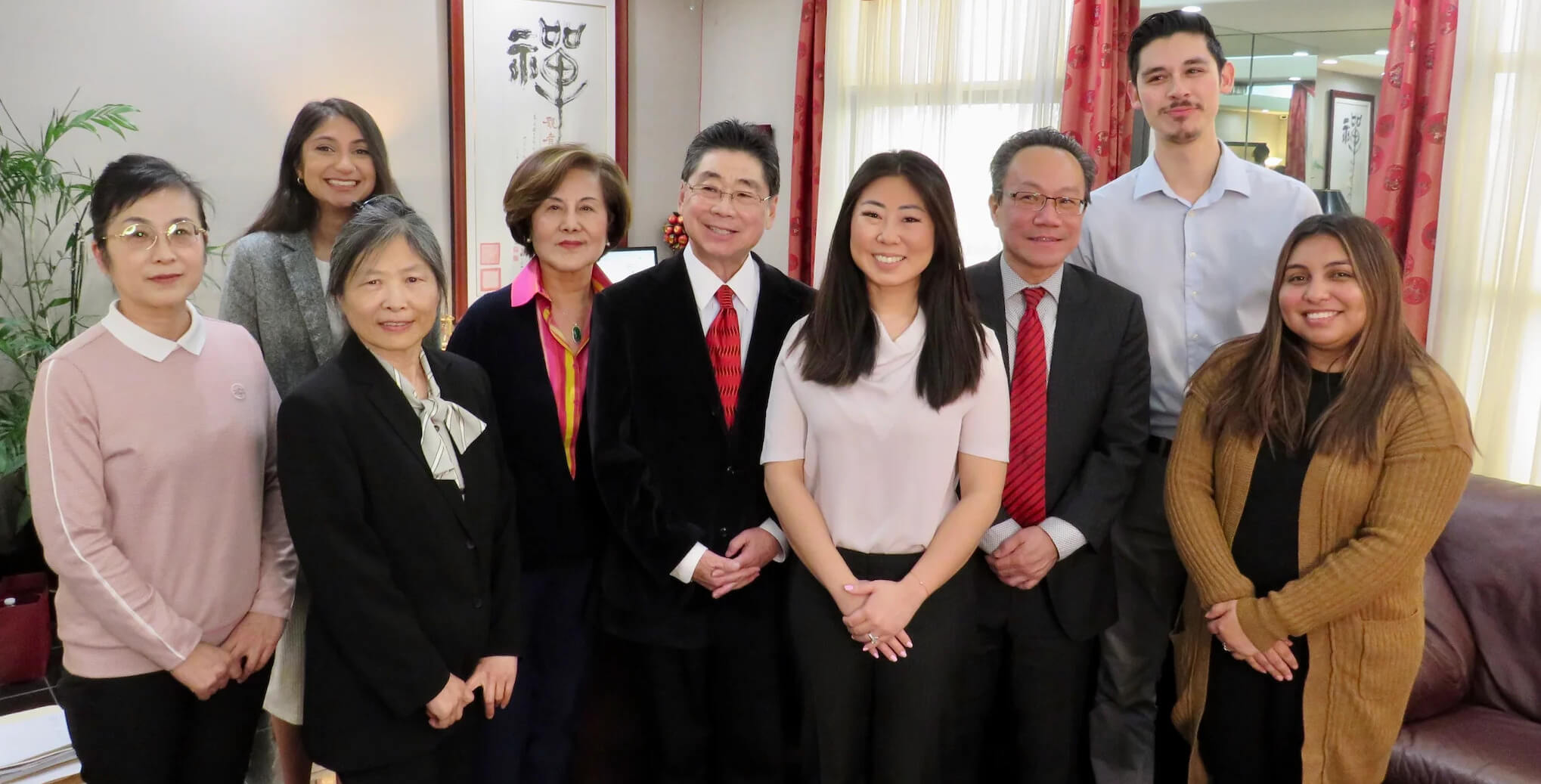
Why Choose Us?
-

Unmatched Expertise
Trust in Peter Chu's 75+ years of collective experience to guide you through complex immigration matters.
-

Tailored Solutions
Our personalized strategies adapt to your unique circumstances, ensuring we meet your specific immigration needs.
-

Proven Success
Benefit from our solid track record in achieving favorable outcomes in various immigration cases across San Diego.
-

Dedicated Service
Experience our client-first approach that ensures constant support and guidance throughout your immigration journey.


Get clear, expert legal guidance tailored to your visa, green card, or citizenship needs.

Inquire now to check if you qualify
Why Lakewood Residents Choose Specialized K-1 Representation Over General Practice Attorneys
When hiring representation for a K-1 fiancé visa case, Lakewood petitioners typically evaluate three categories: immigration-specialized law firms like Law office of Peter Darwin Chu, general practice attorneys who handle immigration as one of many practice areas, and online DIY visa services. Each serves a different risk tolerance and complexity level.
Here's the honest answer: K-1 fiancé visa law changed significantly in 2024-2025, with new Intent to Marry documentation requirements, stricter relationship evidence standards, and heightened scrutiny of age-gap and short-courtship cases. Changes that general practice attorneys who handle two or three immigration cases per year simply have not internalized. A family law attorney who 'also does immigration' may know how to file forms, but they lack the pattern recognition that comes from handling 40-60 K-1 cases annually and seeing which evidence profiles trigger Requests for Evidence at the Denver Field Office versus which sail through. DIY services provide templates and checklists but cannot provide legal advice, cannot respond to case-specific RFEs, and cannot represent you if the petition is denied. Law office of Peter Darwin Chu represents only immigration cases. We know the current adjudicator practices at Denver USCIS, we maintain relationships with consular sections worldwide, and we've successfully resolved K-1 denials that other firms said were unappealable.
| Provider Type | Cost Range | USCIS Case Knowledge | Professional Assessment |
|---|---|---|---|
| Immigration-Specialized Firm (Law office of Peter Darwin Chu) | $3,000–$5,000 + filing fees | Current 2026 standards, Denver Field Office adjudication patterns, consular interview trends | Best for cases with any complicating factor: prior visa denials, criminal history, age gaps, short relationships, or high financial stakes. |
| General Practice Attorney | $2,000–$3,500 + filing fees | Basic form preparation, limited current case law knowledge | Acceptable only for the simplest cases. But 70% of K-1 cases have at least one complicating factor that requires specialized knowledge. |
| Online DIY Service | $500–$1,200 + filing fees | Template-based, no legal advice, no RFE response capability | High risk: cannot adapt to your case's unique facts, cannot fix errors once filed, and cannot represent you in denial or appeal. |
| No Representation | Filing fees only ($535 I-129F + consular fees) | Self-research via USCIS.gov and forums | Maximum risk: 40% of pro se K-1 petitions receive RFEs, and most pro se filers cannot successfully respond without counsel. |
Frequently Asked Questions
Find answers to common questions about our services
-
The complete K-1 visa timeline from I-129F filing to U.S. entry averages 12–18 months as of 2026, though processing times vary significantly by USCIS service center and the applicant's home country. The I-129F petition currently takes 8–12 months for USCI
-
The total cost for a K-1 fiancé visa includes government filing fees ($535 for Form I-129F, $265 for DS-160 consular application, and $120 SEVIS fee if applicable), medical examination fees ($200–$500 depending on country), attorney fees ($3,000–$5,000 fo
-
No, K-1 visa holders cannot work in the United States until they receive an Employment Authorization Document (EAD), which is applied for simultaneously with their Adjustment of Status (Form I-485) after your marriage. The EAD typically arrives 3–5 months
-
If you do not marry within 90 days of your fiancé(e)'s admission to the United States on a K-1 visa, they fall out of status immediately and must depart the country. There is no extension available for K-1 visas, and there is no grace period. Your fiancé(
-
USCIS requires evidence that your relationship is bona fide. Not entered into solely to obtain immigration benefits. And that you met in person within the past two years. Strong K-1 evidence includes dated photographs of you together at multiple times and
-
Legally, yes. K-1 petitioners are allowed to visit the United States on B-2 tourist visas while the I-129F is pending, because the K-1 visa acknowledges immigrant intent and a tourist visa visit does not invalidate that intent. Practically, however, obtai
-
A Request for Evidence is a notice from USCIS requesting additional documentation or clarification before they can approve your I-129F petition. It extends processing time by 60–90 days and signals that your initial filing did not fully satisfy the adjudi
-
Yes, you must demonstrate that your household income is at least 100% of the Federal Poverty Guidelines for your household size. The Affidavit of Support (Form I-134) is required for K-1 visa issuance at the consular interview, and a more binding I-864 is
Need Personalized Immigration Guidance?

