
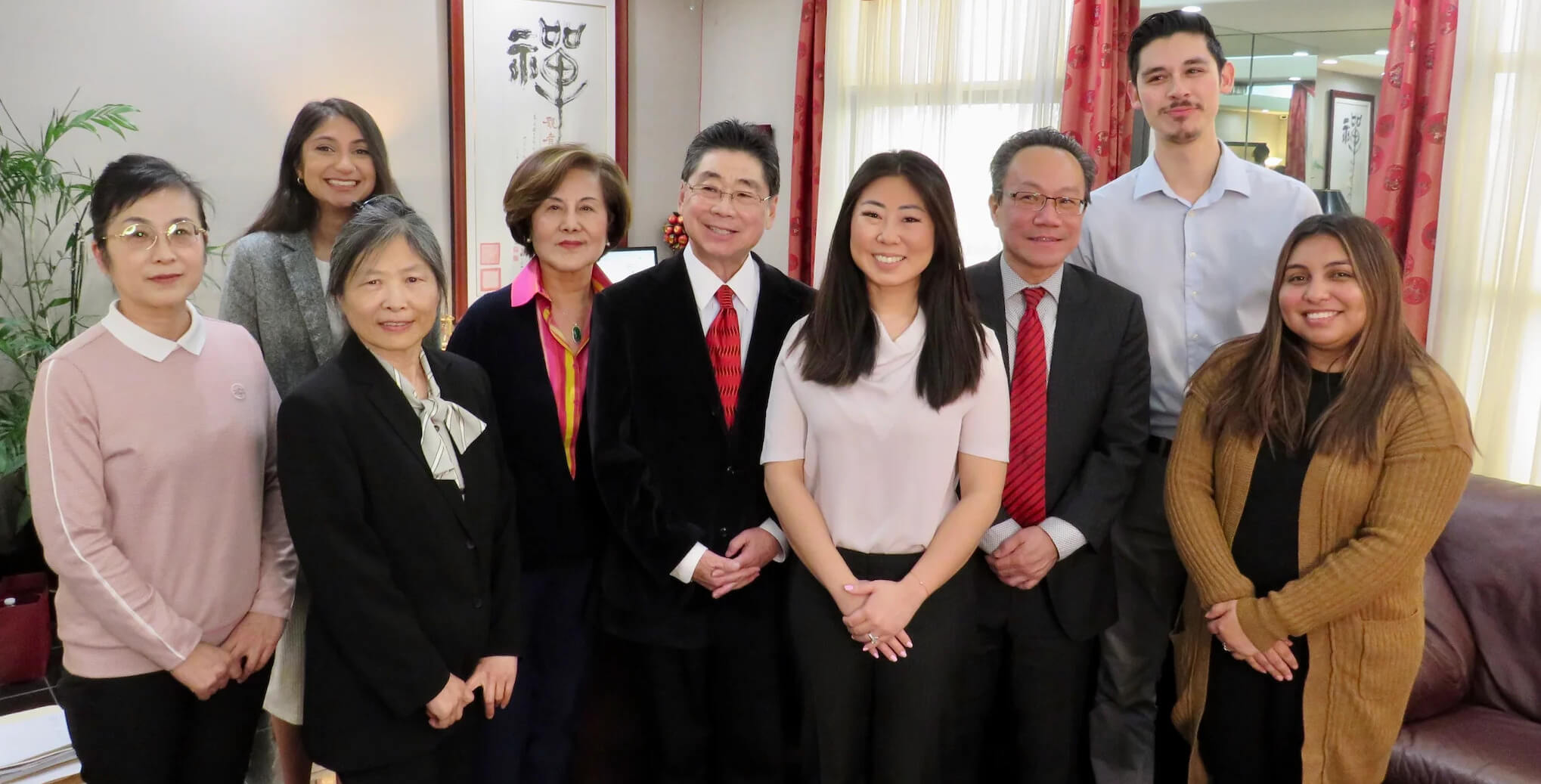
Why Choose Us?
-

Unmatched Expertise
Trust in Peter Chu's 75+ years of collective experience to guide you through complex immigration matters.
-

Tailored Solutions
Our personalized strategies adapt to your unique circumstances, ensuring we meet your specific immigration needs.
-

Proven Success
Benefit from our solid track record in achieving favorable outcomes in various immigration cases across San Diego.
-

Dedicated Service
Experience our client-first approach that ensures constant support and guidance throughout your immigration journey.


Get clear, expert legal guidance tailored to your visa, green card, or citizenship needs.

Inquire now to check if you qualify
Comparing Your Options: K-1 Fiancé Visa vs. CR-1 Spousal Visa in Palo Alto
Palo Alto couples engaged to foreign nationals often ask whether the K-1 fiancé visa or the CR-1 spousal visa is the better path. The K-1 visa allows the foreign fiancé to enter the U.S. and marry within 90 days, after which they apply for adjustment of status to obtain a green card. Total timeline from I-129F filing to green card approval averages 12–18 months. The CR-1 spousal visa requires that the couple marry abroad first, then file an I-130 petition, which results in the foreign spouse receiving a green card upon U.S. entry. Total timeline averages 14–20 months, but the beneficiary has work authorization immediately upon arrival. Here's the honest answer: The K-1 is faster if you want your fiancé in the U.S. quickly and are willing to wait for work authorization after marriage, but the CR-1 provides immediate work and travel rights and avoids the restriction that the K-1 beneficiary must remain in the U.S. during adjustment of status.
| Factor | K-1 Fiancé Visa | CR-1 Spousal Visa | Professional Assessment |
|---|---|---|---|
| Timeline to U.S. Entry | 6–10 months | 12–16 months | K-1 is faster if U.S. presence is urgent |
| Work Authorization | Available 3–5 months after marriage (EAD required) | Immediate upon entry with immigrant visa | CR-1 provides immediate work rights |
| Travel Flexibility | Restricted during adjustment of status unless advance parole obtained | Unrestricted with green card | CR-1 allows immediate international travel |
| Total Cost | I-129F fee + adjustment of status fee + EAD/AP = ~$2,500 | I-130 fee + consular processing = ~$1,600 | CR-1 is less expensive overall |
Frequently Asked Questions
Find answers to common questions about our services
-
The K-1 visa timeline from I-129F filing to visa issuance averages 8–12 months, though processing times vary by USCIS service center and consular post. USCIS typically adjudicates the I-129F petition within 6–9 months, after which the National Visa Center
-
K-1 petitioners must demonstrate that their income meets 100% of the Federal Poverty Guidelines for their household size. The same standard required for the Form I-864 Affidavit of Support filed after marriage during adjustment of status. For 2026, a hous
-
No. K-1 visa holders cannot work in the U.S. until they marry the petitioner and file Form I-765, Application for Employment Authorization, as part of the adjustment of status process. The Employment Authorization Document typically arrives 3–5 months aft
-
If you do not marry within 90 days of the K-1 beneficiary's U.S. entry, the visa expires and the beneficiary must leave the United States. Remaining beyond the 90-day period without marrying accrues unlawful presence, which triggers bars to future U.S. en
-
Yes. USCIS approval of the I-129F petition does not guarantee visa issuance. The consular officer conducts an independent review during the visa interview and has authority to refuse the visa under INA Section 221(g) or 214(b). Common reasons for consular
-
The I-129F petition requires: proof of U.S. citizenship (passport or birth certificate), evidence of termination of all prior marriages (divorce decrees or death certificates), proof of legal name change if applicable, evidence of in-person meeting within
-
After USCIS approves the I-129F petition, the case is forwarded to the National Visa Center, which assigns a case number and forwards the petition to the U.S. embassy or consulate with jurisdiction over the beneficiary's country of residence. The NVC does
-
A U.S. petitioner's criminal record does not automatically disqualify them from sponsoring a K-1 visa, but USCIS reviews criminal history for crimes involving violence, sexual abuse, drug trafficking, or child abuse. Particularly if the conviction occurre
Need Personalized Immigration Guidance?

