
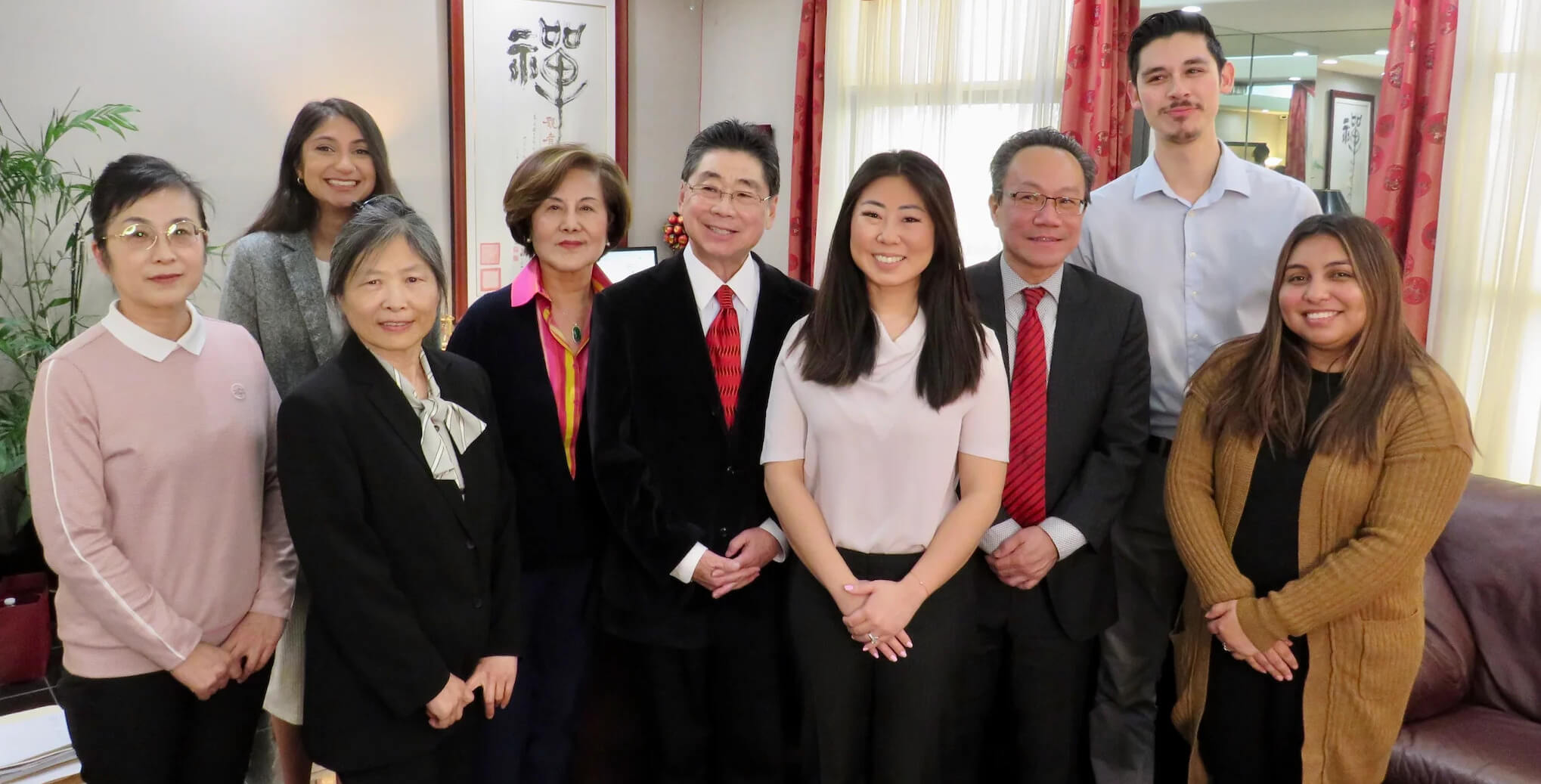
Why Choose Us?
-

Unmatched Expertise
Trust in Peter Chu's 75+ years of collective experience to guide you through complex immigration matters.
-

Tailored Solutions
Our personalized strategies adapt to your unique circumstances, ensuring we meet your specific immigration needs.
-

Proven Success
Benefit from our solid track record in achieving favorable outcomes in various immigration cases across San Diego.
-

Dedicated Service
Experience our client-first approach that ensures constant support and guidance throughout your immigration journey.


Get clear, expert legal guidance tailored to your visa, green card, or citizenship needs.

Inquire now to check if you qualify
Comparing Your Options for K-1 Visa Representation in Rancho Cucamonga
Rancho Cucamonga residents filing K-1 fiancé visa petitions face three primary options: self-filing using online templates and guides, hiring a non-attorney immigration consultant or notario, or retaining a licensed California immigration attorney. Here's the honest answer: K-1 petitions have a baseline approval rate around 85–90% for straightforward cases, but that rate drops significantly when documentation is incomplete, relationship evidence is weak, or prior immigration violations exist. Self-filing works when both parties have clean immigration histories, met in person multiple times in the past two years with clear documentation, and have no language barriers or complex financial situations. The moment any of those conditions changes. A prior visa denial, a fiancé from a high-fraud country, or an inability to meet the in-person requirement. The risk of RFE or denial increases sharply. Non-attorney consultants cannot provide legal advice, cannot represent you before USCIS, and carry no malpractice insurance or bar oversight. A licensed immigration attorney identifies red flags before filing, structures the petition to preempt common RFE triggers, and can respond to USCIS legal objections with case law and procedural arguments that non-lawyers cannot make.
| Option | Cost | USCIS Representation | RFE Response Capability | Professional Liability |
|---|---|---|---|---|
| Self-Filing | $0 (plus $535 USCIS fee) | No | Limited to resubmitting documents | None |
| Online Template Service | $200–$500 | No | Generic instructions only | None |
| Non-Attorney Consultant | $500–$1,500 | Prohibited by law | Cannot provide legal advice | None |
| Licensed Immigration Attorney | $2,000–$4,000 | Yes. Can appear before USCIS | Full legal argument and evidence strategy | State Bar malpractice coverage and ethical oversight |
Frequently Asked Questions
Find answers to common questions about our services
-
The K-1 visa process from petition filing to visa issuance typically takes 12–18 months as of 2026. USCIS processing of Form I-129F currently averages 8–12 months at the California Service Center, followed by 2–4 months for National Visa Center processing
-
Attorney fees for K-1 fiancé visa representation in Rancho Cucamonga typically range from $2,000 to $4,000 depending on case complexity, not including USCIS filing fees. The government filing fee for Form I-129F is $535 as of 2026, and additional costs in
-
Yes. The U.S. petitioner must demonstrate income at or above 125% of the federal poverty guideline for their household size, calculated using Form I-134 Affidavit of Support. For 2026, the minimum income requirement for a household of two (petitioner and
-
No. A K-1 visa holder cannot work in the United States until they receive work authorization, which is only available after marriage and filing Form I-765 Application for Employment Authorization as part of the adjustment of status process. Most K-1 visa
-
If you do not marry within 90 days of your fiancé's entry on a K-1 visa, the visa expires, your fiancé falls out of status, and no extension or change of status is available. The only legal option at that point is for your fiancé to depart the United Stat
-
USCIS requires evidence demonstrating that you and your fiancé have met in person at least once within the two years preceding the I-129F filing and that you have a bona fide intention to marry. Acceptable evidence includes airline tickets and passport st
-
Technically yes, but it is risky and often results in visa denial or entry refusal. Once a K-1 petition is filed, USCIS and the Department of State are aware that your fiancé has immigrant intent. The intent to permanently immigrate to the U.S. A tourist
-
Not strictly required, but highly recommended even for straightforward cases. USCIS adjudicators are trained to identify inconsistencies, gaps in documentation, and procedural errors. And they issue RFEs or denials without providing guidance on how to fix
Need Personalized Immigration Guidance?

