
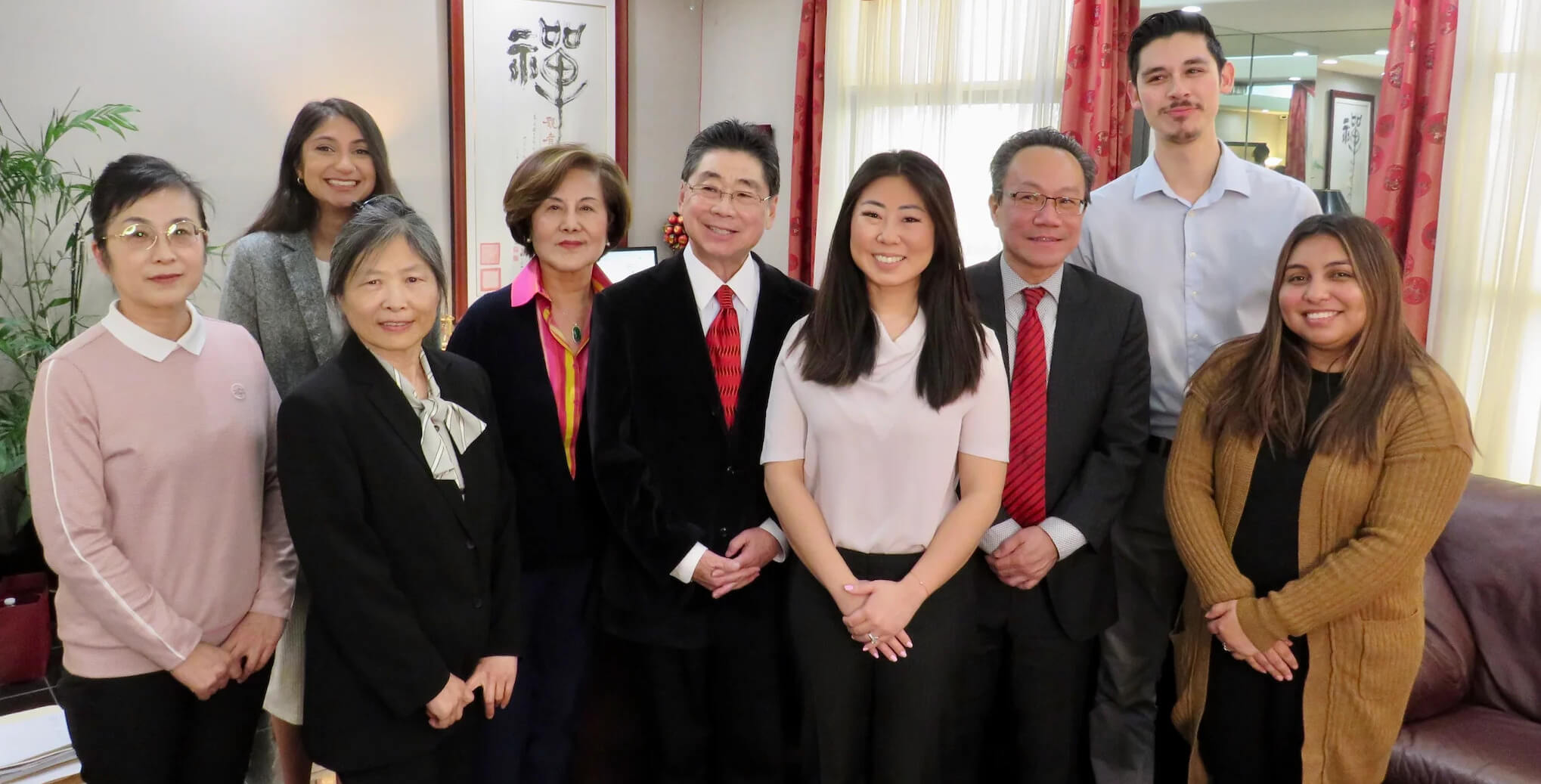
Why Choose Us?
-

Unmatched Expertise
Trust in Peter Chu's 75+ years of collective experience to guide you through complex immigration matters.
-

Tailored Solutions
Our personalized strategies adapt to your unique circumstances, ensuring we meet your specific immigration needs.
-

Proven Success
Benefit from our solid track record in achieving favorable outcomes in various immigration cases across San Diego.
-

Dedicated Service
Experience our client-first approach that ensures constant support and guidance throughout your immigration journey.


Get clear, expert legal guidance tailored to your visa, green card, or citizenship needs.

Inquire now to check if you qualify
Comparing K-1 Visa Representation Options for Stanton Residents
Stanton applicants pursuing K-1 fiancé visas face a choice: self-filing with online forms and guidance, using a notario or unlicensed document preparer, hiring a general immigration paralegal service, or retaining an immigration attorney. Each path has trade-offs in cost, risk, and outcome probability.
Here's the honest answer: K-1 cases have one of the highest denial rates among family-based visa categories. Not because the relationships are invalid, but because applicants misunderstand evidence standards, fail to disclose prior immigration history, or submit incomplete documentation that triggers RFEs and eventually denials. Self-filing is viable for straightforward cases with U.S. citizen petitioners who have clean immigration records, ample relationship documentation, and time to research USCIS policy. It is not viable for cases involving prior visa overstays, criminal history, children from prior relationships, or cross-cultural marriages where the relationship timeline appears non-traditional. Notarios and document preparers cannot provide legal advice, cannot represent you before USCIS, and cannot correct errors once a petition is filed. Their role is limited to form completion. For Stanton residents whose cases have any complicating factor, the cost of attorney representation is nearly always smaller than the cost of a denial, refiling, and the additional months or years of separation that follow.
| Option | Cost | Legal Representation | Professional Assessment |
|---|---|---|---|
| Self-Filing | $0–$200 (filing fees only) | No attorney, no USCIS representation | Viable only for simple cases with zero complications |
| Notario/Document Prep | $300–$800 | No legal advice, form completion only | High risk. No error correction or appeal support |
| General Immigration Paralegal Service | $800–$1,500 | Limited review, no attorney signature | Moderate risk. Gaps in legal strategy and evidence review |
| Immigration Attorney (Law office of Peter Darwin Chu) | $2,500–$4,500 | Full representation, attorney-signed filings, appeal support | Lowest denial risk, highest approval probability, long-term support |
Frequently Asked Questions
Find answers to common questions about our services
-
The K-1 visa timeline has three stages: USCIS adjudication of Form I-129F (6–9 months as of 2025), National Visa Center processing and case transfer to the foreign embassy (4–8 weeks), and embassy interview scheduling and visa issuance (2–6 months dependi
-
USCIS evaluates bona fide intent through evidence of an ongoing, genuine relationship. Strong K-1 petitions include: photographs together from multiple time periods and locations, travel records showing in-person visits, communication logs (emails, chat t
-
Yes. Prior tourist visa (B-2) denials do not automatically disqualify a fiancé from K-1 eligibility, but they require explanation. Tourist visa denials are often based on failure to prove non-immigrant intent, and consular officers will scrutinize whether
-
The K-1 visa requires marriage within 90 days of the fiancé's U.S. entry. This is a non-extendable deadline under 8 CFR 214.2(k)(6). If you do not marry within the 90-day window, the fiancé must depart the U.S. immediately or face removal proceedings and
-
You can retain an attorney at any stage of the K-1 process, even after filing. Common scenarios where mid-process representation is valuable include: receiving a Request for Evidence (RFE) that requires additional documentation, facing an unexpected delay
-
The K-1 visa is for fiancés who intend to marry after entry into the U.S., while the CR-1/IR-1 spousal visa is for couples already legally married. K-1 visa holders must adjust status after marriage to obtain a green card, while spousal visa holders recei
-
No. A foreign fiancé residing outside the U.S. while the K-1 petition is pending has no work authorization in the U.S. until after entry on the K-1 visa and subsequent filing for employment authorization (Form I-765) as part of the adjustment of status ap
-
Attorney fees for K-1 representation typically range from $2,500 to $4,500 depending on case complexity, the number of prior visa denials or immigration violations, and whether the case requires waiver applications or appeals. This fee covers I-129F prepa
Need Personalized Immigration Guidance?

