
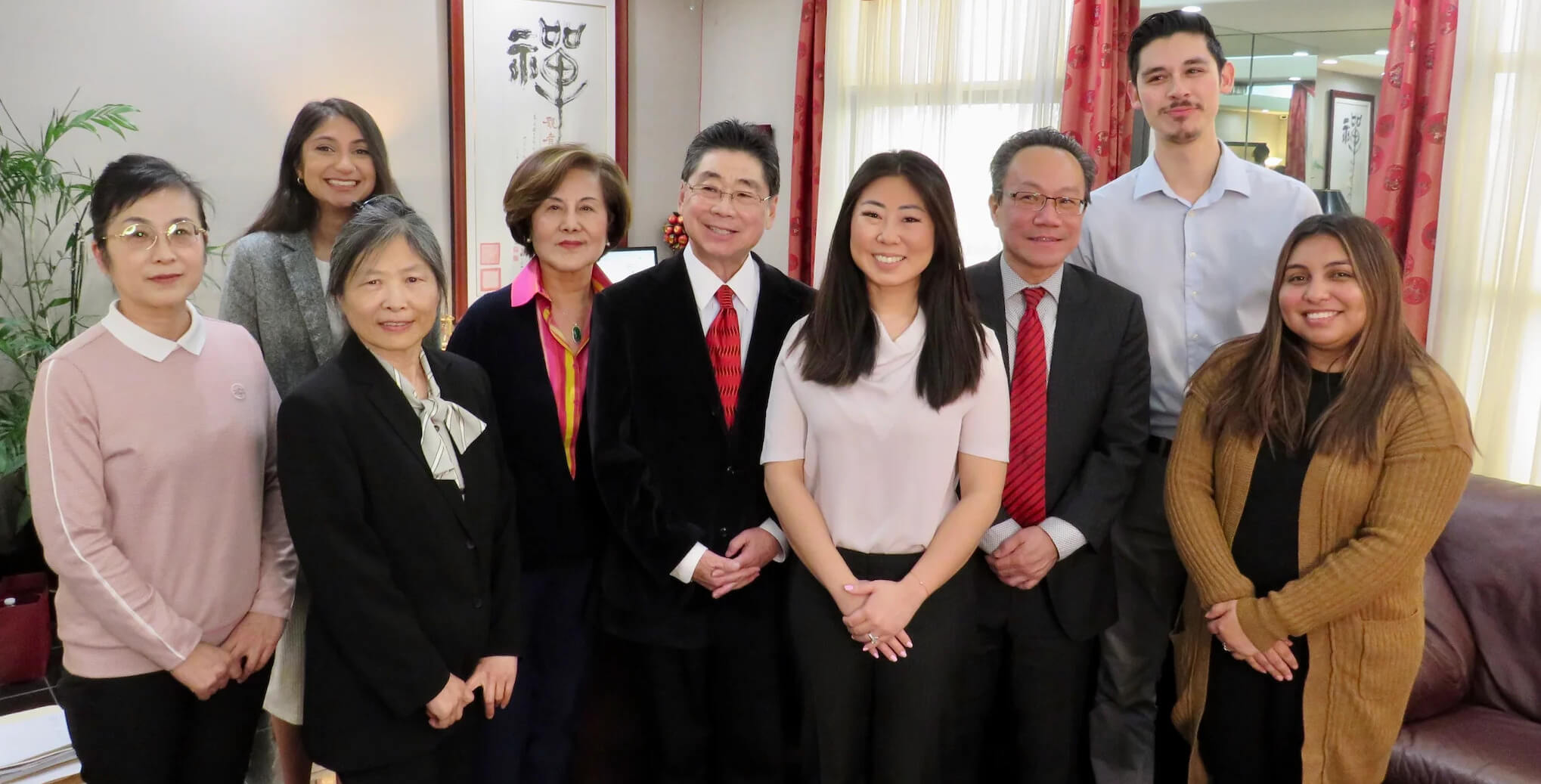
Why Choose Us?
-

Unmatched Expertise
Trust in Peter Chu's 75+ years of collective experience to guide you through complex immigration matters.
-

Tailored Solutions
Our personalized strategies adapt to your unique circumstances, ensuring we meet your specific immigration needs.
-

Proven Success
Benefit from our solid track record in achieving favorable outcomes in various immigration cases across San Diego.
-

Dedicated Service
Experience our client-first approach that ensures constant support and guidance throughout your immigration journey.


Get clear, expert legal guidance tailored to your visa, green card, or citizenship needs.

Inquire now to check if you qualify
Comparing Your K-3 Spouse Visa Options in Aliso Viejo
When evaluating how to bring your foreign spouse to Aliso Viejo, families typically consider three pathways: filing an I-130 immigrant petition and waiting for consular processing to complete abroad, filing both I-130 and I-129F (K-3) simultaneously to enable earlier U.S. entry, or attempting to use a tourist visa and adjusting status after arrival. Each approach carries distinct timing, legal risk, and procedural complexity.
Here's the honest answer: Using a tourist visa with intent to adjust status is visa fraud and leads to denial and potential bars to reentry. The I-130-only path is procedurally sound but keeps families separated for 12–18 months in most cases. The K-3 route adds a filing step but can reduce separation time significantly. Particularly for couples where the foreign spouse is in a country with slow consular processing or where the U.S. petitioner's work or family obligations make prolonged overseas stays impractical. For Aliso Viejo residents with stable income and the ability to support their spouse financially upon U.S. entry, the K-3 visa provides legal certainty, work authorization eligibility, and a faster reunification timeline than waiting for immigrant visa processing to complete abroad.
| Pathway | Separation Time | Legal Status Upon Entry | Work Authorization | Procedural Risk |
|---|---|---|---|---|
| I-130 Only (Consular Processing) | 12–18 months | Immigrant (green card issued at entry) | Immediate upon entry | Low. Straightforward process |
| K-3 Spouse Visa (I-129F + I-130) | 6–12 months | Nonimmigrant (adjustment required after entry) | Available after filing I-485 | Moderate. Requires coordination between USCIS and consulate |
| Tourist Visa + Adjustment | Variable | Unlawful if preconceived intent | Not available | High. Visa fraud, denial, potential bar |
| Do Nothing / Remain Separated | Indefinite | N/A | N/A | Zero legal protection, no reunification path |
Frequently Asked Questions
Find answers to common questions about our services
-
K-3 visa processing time varies by USCIS service center and consular post, but the typical timeline from I-129F filing to visa issuance is 6–10 months. USCIS California Service Center currently processes I-129F petitions in approximately 5–7 months, after
-
K-3 visa holders are not automatically authorized to work upon entry to the United States. They must apply for an Employment Authorization Document (EAD) by filing Form I-765 after arriving in Aliso Viejo. The EAD application is typically filed simultaneo
-
Filing a K-3 petition (Form I-129F) requires proof of the bona fide marriage, including the marriage certificate, proof that a valid I-130 petition has been filed, passport copies for both spouses, and evidence of the U.S. petitioner's citizenship. Suppor
-
The K-3 visa remains useful in cases where consular processing for the immigrant visa would take significantly longer than K-3 processing, or where the U.S. petitioner cannot afford prolonged separation from their spouse for work or family reasons. While
-
A Request for Evidence (RFE) means USCIS requires additional documentation or clarification before approving the I-129F petition. Common RFE topics for K-3 cases include insufficient proof of the bona fides of the marriage, questions about prior immigrati
-
If your spouse is already in the United States in valid nonimmigrant status, filing for adjustment of status (Form I-485) directly after the I-130 approval is typically more efficient than departing the U.S. to pursue a K-3 visa abroad. The K-3 visa is de
-
K-3 spouse visa representation fees vary by case complexity, but flat-fee arrangements typically range from $2,500–$5,000 for I-129F petition preparation, consular processing guidance, and adjustment of status coordination after U.S. entry. This does not
-
The most common reasons for K-3 petition denial are insufficient evidence of a bona fide marriage, failure to demonstrate that the I-130 petition was filed before or simultaneously with the I-129F, prior immigration violations by the foreign spouse, and c
Need Personalized Immigration Guidance?

